English
 中文简体
中文简体 русский
 عربى
عربىSustainability claims in the textile industry have multiplied faster than the standards capable of verifying them. For fabric buyers, product developers, and procurement teams at furniture brands, home textile companies, and apparel manufacturers, the challenge is no longer finding suppliers who claim to offer recycled fabric — it is identifying which recycled fabric claims are independently verified, traceable to genuinely recycled inputs, and documented well enough to support their own brand's sustainability reporting and marketing. The Global Recycled Standard (GRS) is the most widely recognized certification framework that provides this verification, and understanding what it covers — and what it does not — is increasingly essential knowledge for anyone sourcing recycled fabric at scale.
What Is the Global Recycled Standard (GRS)?
The Global Recycled Standard is an international, voluntary product standard that sets requirements for third-party certification of recycled content in final products and for chain of custody documentation throughout the supply chain from recycled material source to finished product. It was originally developed by Control Union Certifications, transferred to the Textile Exchange in 2011, and is now administered by Textile Exchange as an open standard available for use across all product categories — textiles, plastics, metals, and others — though it is most widely applied in the textile industry.
At its core, GRS certification answers a specific question: Does this product actually contain the percentage of recycled content that the supplier or brand claims, and has that content been tracked through an unbroken chain of custody from certified recycled inputs to the final product? The standard requires independent third-party auditing of each facility in the supply chain — the fiber producer, the yarn spinner, the fabric weaver or knitter, the dyer and finisher — not just the final product. A GRS certification on a finished fabric means every production step from recycled raw material to the fabric roll leaving the mill has been audited and certified, not just the end product tested in a laboratory.
What Does GRS Actually Certify?
GRS certification covers three distinct areas:
Recycled content verification. The standard defines what qualifies as "recycled" material — pre-consumer waste (manufacturing offcuts, production scrap, yarn and fabric waste generated during production) and post-consumer waste (materials recovered after consumer use, including PET bottles, used garments, end-of-life products). Post-consumer recycled content is generally considered more environmentally significant because it diverts material that would otherwise enter the waste stream after its useful life. GRS requires the recycled content percentage to be verified against actual input records at each processing stage, not self-declared by the supplier.
Chain of custody documentation. Every facility that handles the product from recycled raw material through to the finished article must be GRS certified and maintain transaction records that link each batch of material to the certified input source. This chain of custody prevents the mixing of uncertified and certified materials and ensures that recycled content claims can be traced back to the actual source. When you receive a fabric with GRS certification, the certificate should identify both the fabric manufacturer and the upstream facilities — yarn spinner, fiber producer — also certified under GRS, confirming the full chain is documented.
Social and environmental processing requirements. GRS includes requirements beyond content verification: restrictions on chemical use in processing that align with broadly recognized frameworks for chemical safety in textiles, social responsibility requirements for workers in certified facilities (covering working conditions, wages, and management practices), and environmental management requirements for certified facilities. This means a GRS-certified fabric has not only verified recycled content but has been produced in a facility meeting minimum standards across social and environmental dimensions — a more comprehensive assurance than content verification alone.
GRS vs RCS: What Is the Difference?
The Recycled Claim Standard (RCS) is a related but more limited standard from the same Textile Exchange framework. Both require third-party chain of custody certification and verify the recycled content percentage. The key difference: RCS only covers recycled content verification and chain of custody — it does not include the social and environmental processing requirements that GRS adds. RCS is sometimes used for products where a brand wants recycled content verification, but the full GRS social/environmental scope is not required or not yet achievable by their supply chain.
For buyers, the practical distinction to remember: GRS is the more comprehensive standard and the one that most major brands and retailers specify when they require verified recycled content. When a brand's sustainability policy or retailer's supplier requirements specify "GRS certified recycled content," RCS does not satisfy that requirement. Confirm which standard your specific customer or market requires before accepting RCS certification as equivalent.
What Is RPET Fabric and How Does It Relate to GRS?
RPET stands for recycled polyethylene terephthalate — polyester fiber produced from recycled PET plastic, most commonly from post-consumer PET bottles (the type used for water, beverages, and cooking oil). RPET is the most widely produced type of recycled polyester fiber and the primary input material for a large proportion of GRS-certified recycled fabric production globally.
The RPET production process converts post-consumer PET bottles through collection, sorting, cleaning, mechanical shredding into flake, melting and extrusion into fiber chips, and spinning into polyester filament or staple fiber. That fiber is then processed by yarn spinners and woven or knitted into fabric by mills — the same production steps as virgin polyester fabric, but with a recycled raw material input. The resulting RPET fabric can be produced to the same performance specifications as virgin polyester fabric for weight, weave, texture, and hand feel — and can be dyed, finished, and processed identically to standard polyester fabric.
GRS certification applied to RPET fabric verifies that the PET bottles used as raw material were genuinely post-consumer recovered material, that each production step from flake to fiber to yarn to fabric was performed at certified facilities, and that the recycled content percentage stated on the certificate accurately reflects the actual RPET content of the fabric. Without GRS or RCS certification, "RPET fabric" is a supplier claim that cannot be independently verified by the buyer.
How Much Recycled Content Is Required for GRS Certification?
GRS certification requires a minimum of 20% recycled content in the final product for the product to carry the GRS label, with the exact recycled content percentage stated on the certificate. Products with 20–100% recycled content can be certified, and the certificate clearly states the specific percentage — a fabric certified at 50% recycled polyester content cannot be labeled or marketed as 100% recycled.
In practice, most recycled fabric production for the home textile and upholstery market targets 100% recycled polyester content in the fiber component — the entire polyester fiber input is RPET rather than virgin polyester. This allows the fabric to be marketed with straightforward "100% recycled polyester" claims supported by the GRS certificate. Some blended constructions — recycled polyester combined with natural fibers such as cotton, linen, or viscose — will have a lower recycled content percentage reflecting the proportion of the blended fiber that is recycled.
Why Do Brands and Retailers Increasingly Require GRS Certified Fabric?
The commercial pressure on brands and retailers to verify their recycled content claims has intensified significantly over the past several years, driven by three converging forces:
Regulatory developments on greenwashing. The European Union's Green Claims Directive and related regulations in multiple markets are establishing legally enforceable requirements for environmental claims — including recycled content claims — to be substantiated by third-party verification. Brands making recycled content claims without verification face increasing regulatory risk. GRS certification provides the independent third-party substantiation that regulatory frameworks require for such claims to be legally defensible.
Retailer supplier requirements. Major retailers in home textiles, furniture, and apparel have progressively added GRS (or equivalent) certification to their supplier qualification requirements for products carrying recycled content claims. Supplying these retailers without certification means either being excluded from consideration or being restricted to products without recycled content marketing, limiting access to the growing sustainable product segments in these retail channels.
Brand consumer communication. GRS-certified recycled content enables brands to communicate specific, verifiable sustainability claims — "made with X% GRS-certified recycled polyester from post-consumer PET bottles" — in product marketing, on product labels, and in sustainability reports. These specific, verifiable claims have more credibility with increasingly sustainability-aware consumers than generic "eco-friendly" assertions without underlying certification.
What Should You Check When a Supplier Provides a GRS Certificate?
A GRS certificate from a fabric supplier should be verified before accepting it as proof of compliance. Key checks:
- Certificate validity: GRS certificates have an expiry date — typically one year from issuance. Confirm the certificate is currently valid, not expired.
- Facility name and scope: The certificate must identify the specific facility (mill, spinner, or manufacturer) by name and address, and the scope must include the type of product and process being certified — fabric manufacturing, for example. A GRS certificate for a yarn spinning facility does not certify the fabric produced from that yarn by a different, uncertified facility.
- Certification body: GRS certificates must be issued by an accredited third-party certification body recognized by Textile Exchange. Common certification bodies include Control Union, Bureau Veritas, Intertek, SGS, and others. A certificate format that does not identify a recognized certification body should be questioned.
- Transaction Certificate (TC) for each shipment: In addition to the scope certificate, a GRS transaction certificate should be issued for each specific shipment of certified product, identifying the material, quantity, recycled content percentage, and linking the shipment to the scope certificate. The TC is the document that connects a specific batch of fabric to the certification — the scope certificate alone does not prove that any particular shipment of fabric is certified.
Frequently Asked Questions
Can GRS-certified recycled fabric match the performance of virgin fabric?
For recycled polyester fabric — the most common type — performance characteristics including tensile strength, tear strength, abrasion resistance, dimensional stability, and dye affinity can match virgin polyester fabric of equivalent construction when the RPET fiber quality is controlled and the production process is optimized. The critical variable is RPET flake quality — fiber produced from well-sorted, high-quality bottle-grade PET flake performs comparably to virgin fiber; fiber from low-grade mixed plastic input may have inconsistent properties. Reputable GRS-certified recycled fabric producers using high-quality RPET input can supply fabric meeting the same performance specifications as virgin-fiber alternatives, and standard test methods (ISO or ASTM fabric performance tests) apply equally to both.
Is there a cost premium for GRS-certified recycled fabric?
Yes — GRS-certified recycled fabric typically carries a price premium over uncertified equivalent fabric, reflecting the higher cost of certified recycled fiber inputs, the administrative cost of maintaining a chain of custody certification across the supply chain, and the audit and certification fees associated with maintaining the GRS scope certificate and issuing transaction certificates. The size of the premium varies by fiber type, recycled content percentage, and market conditions, but buyers should expect GRS-certified recycled polyester fabric to be priced higher than virgin polyester fabric of equivalent construction. For brands where the certified sustainability claim has commercial value — supporting retail premiums, retailer qualification, or regulatory compliance — the premium is typically offset by the commercial benefits of the certification.
What is the difference between pre-consumer and post-consumer recycled content under GRS?
Pre-consumer recycled content is material that has been diverted from the waste stream during manufacturing processes — production offcuts, yarn waste, defective products rejected before reaching the consumer. Post-consumer recycled content is material that has been used by a consumer and returned to the material cycle — PET bottles, used garments, and end-of-life products. GRS certifies both types but requires that the recycled content type (pre- or post-consumer) be specified on the certificate. Post-consumer is generally considered more environmentally significant because it addresses the end-of-life challenge for materials that have completed their first use cycle, and some brand policies and retailer requirements specifically require post-consumer recycled content rather than accepting pre-consumer material.
GRS Certified Recycled Fabric from Suzhou Yifan Textile
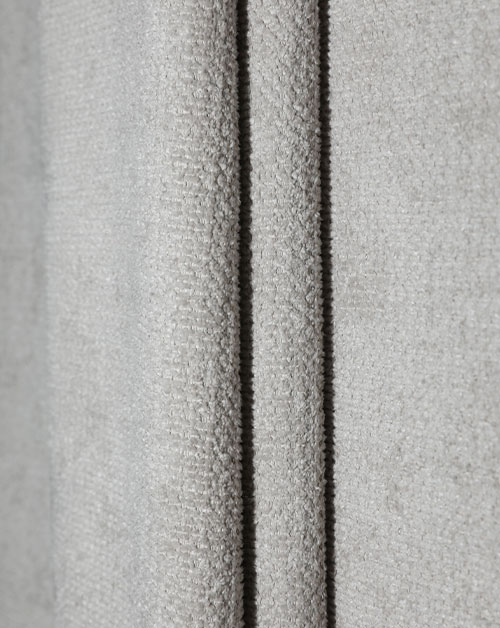
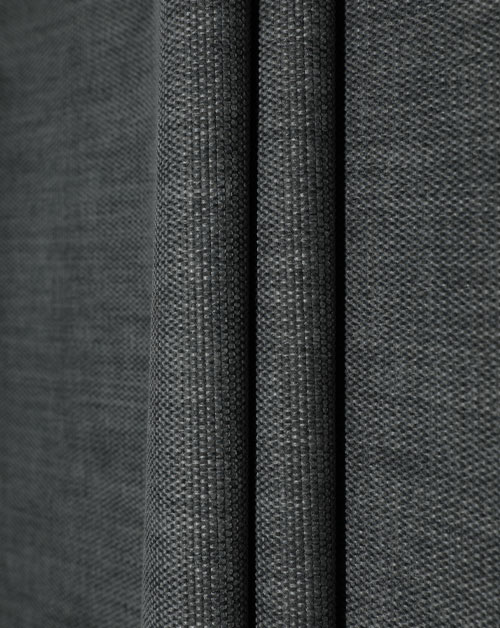
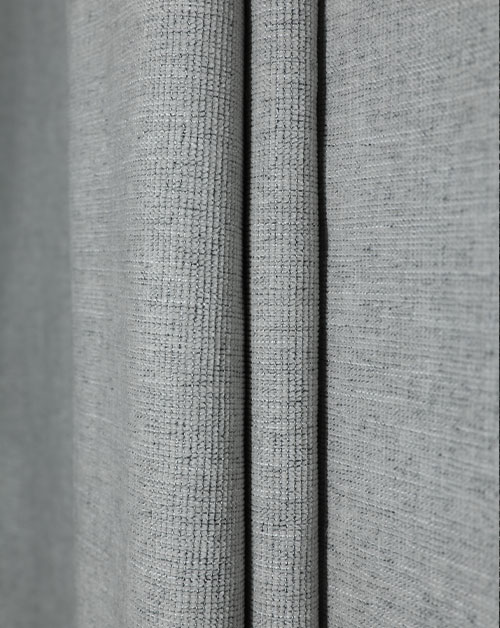
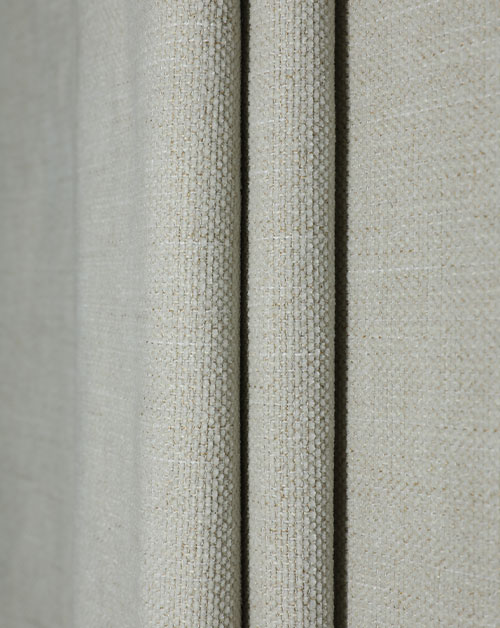
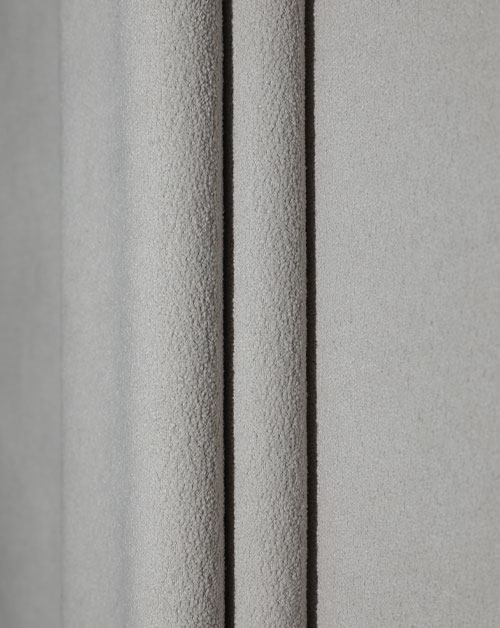
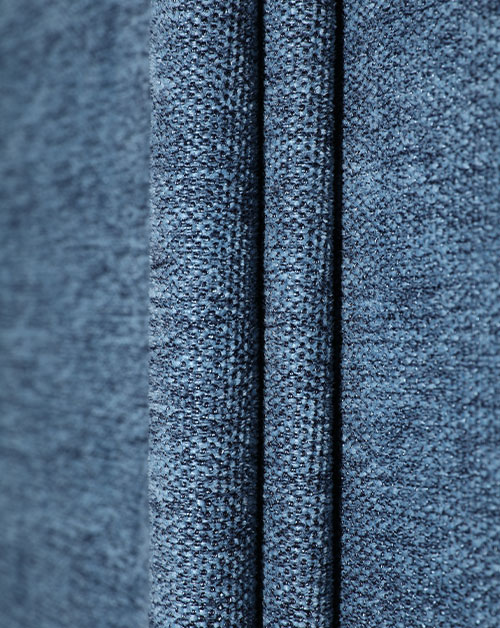
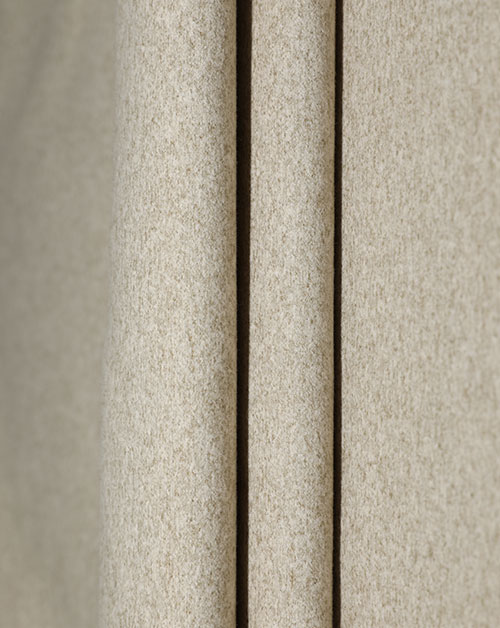
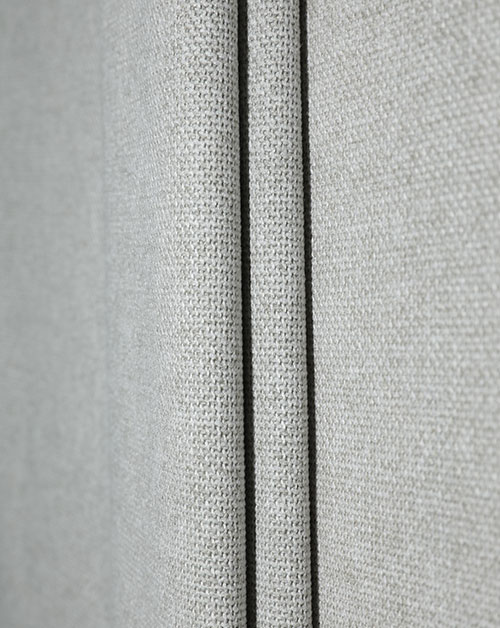
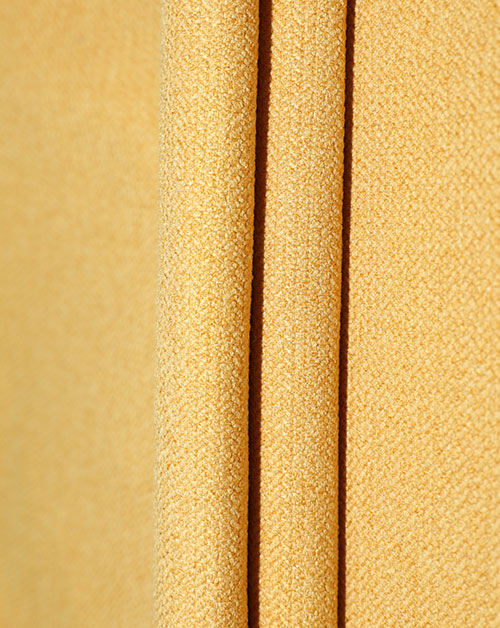
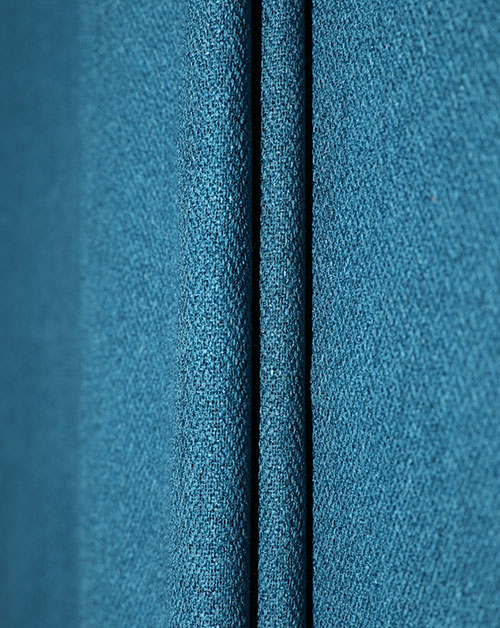
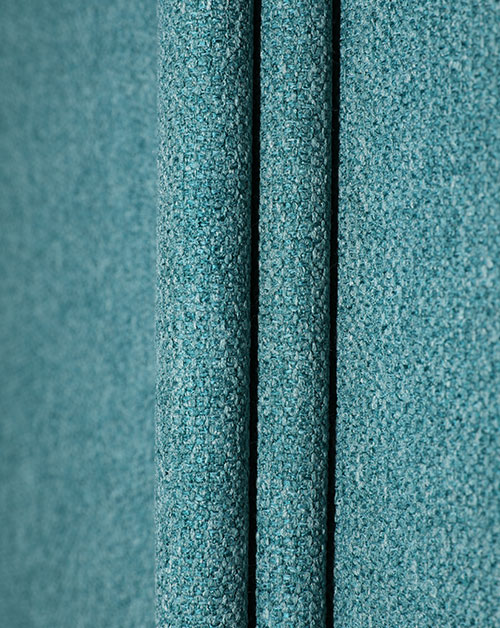
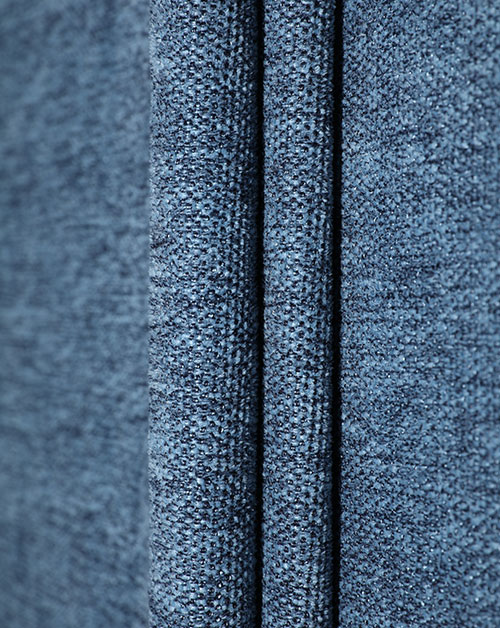
Suzhou Yifan Textile Co., Ltd., Zhenze Town, Wujiang, Jiangsu, manufactures GRS-certified recycled fabric for upholstery, home textiles, and decorative applications. Recycled fabric products are produced from certified RPET inputs with a chain of custody certification covering the full production process from fiber to finished fabric. Available in woven and knitted constructions, multiple weights and textures, suitable for sofa upholstery, curtains, and decorative surface applications. OEM and ODM development available for custom constructions with GRS certification support.
Contact us to request GRS certificate details, product specifications, and samples for your sustainable sourcing program.
Related Products: Recycled Fabric | Functional Fabric | Woven Imitation Linen Fabric | Cut Pile Fabric