English
 中文简体
中文简体 русский
 عربى
عربىIn the field of home decoration and interior design, decorative fabrics play a crucial role as an indispensable material. Whether for curtains, sofa covers, bedding, or wall decorations, the choice of decorative fabrics directly affects not only the aesthetic effect of the space but also its comfort and practicality. With consumers' pursuit of personalization, environmental friendliness, and high-quality living, the decorative fabric market has become increasingly diverse, offering a rich variety of materials, colors, and patterns to meet different styles and functional needs.
Types and Materials of Decorative Fabrics
Decorative fabrics are usually classified according to their material, weaving process, and pattern design. Common types of decorative fabrics include cotton, linen, silk, wool, and synthetic fibers, each with unique tactile qualities, appearance, and performance characteristics. When choosing decorative fabrics, it's important to consider not only the properties of the material itself but also its compatibility with the overall design style and its performance in specific settings.
Cotton
Cotton is one of the most common decorative fabrics, favored by consumers for its softness, breathability, and moisture absorption. It is suitable for various home decorations, such as curtains, sofa covers, and bedding. The natural texture and simple style of cotton make it a classic choice in modern home design. Especially in warmer seasons, cotton provides a more comfortable living experience.
Linen
Linen has a relatively coarse texture, usually giving a natural and rustic feel, suitable for pastoral or minimalist home designs. Linen has strong tensile strength and breathability, making it ideal for curtains, sofa cushions, and tablecloths.
Silk
Silk, as a high-end decorative fabric, possesses a lustrous sheen and soft touch. Its lightness and luxurious feel make it a classic decorative element in both traditional and modern homes. Silk curtains and cushions are often used in luxurious and sophisticated spaces, bringing an elegant atmosphere to the room.
Wool and Wool Blends
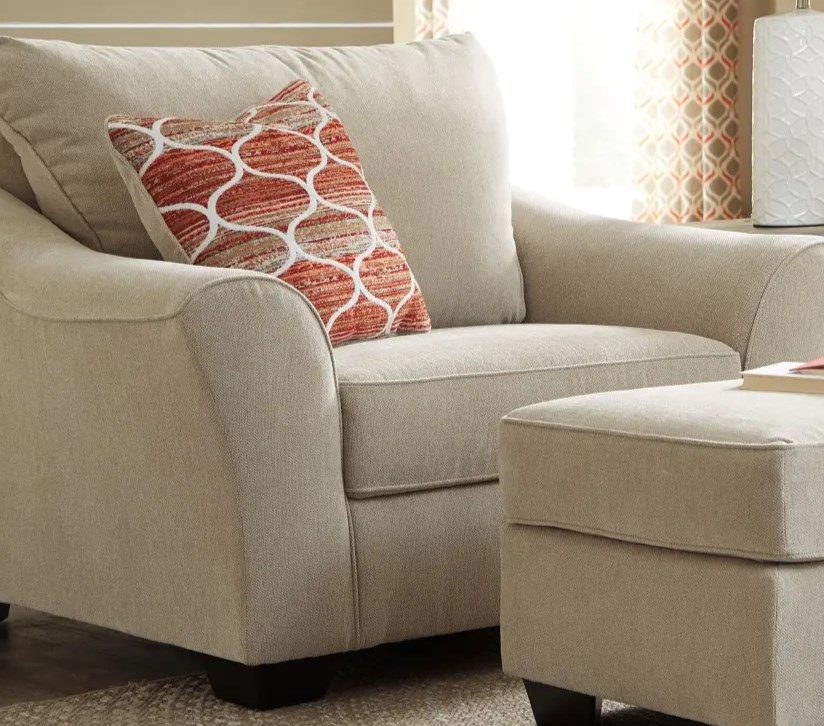
Wool and wool blend fabrics are typically used in autumn and winter seasons, offering excellent warmth and comfort. Wool's natural fibers effectively regulate temperature, making it ideal for high-end sofa covers, carpets, and bedding. It adds warmth to a space while maintaining a sophisticated look.
Synthetic Fibers
Synthetic fiber fabrics, including polyester and nylon, are a very popular type of decorative fabric in recent years. Their advantages include durability, ease of cleaning, and wrinkle resistance. They are particularly suitable for high-traffic public spaces or homes, effectively reducing maintenance costs.
How to Choose the Right Decorative Fabric?
When choosing decorative fabrics, in addition to considering the properties of the material, the combination of colors and patterns is equally crucial. The color of the fabric not only affects the overall atmosphere of the room but can also showcase personality and taste through clever combinations. Different fabric materials also determine their application range and usage effects, so it's important to fully consider actual needs and the usage environment when making a selection.
Color Matching
The color selection of decorative fabrics should be coordinated with the overall color scheme of the interior. Warmer colors, such as beige, light yellow, and orange, usually give a warm and comfortable feeling, suitable for living rooms and bedrooms where a relaxing atmosphere is desired. Cool tones, such as blue, gray, and purple, can increase the sense of calm in a space, suitable for studies, offices, and other environments requiring concentration.
Patterns and Design
The pattern design of decorative fabrics can also affect the aesthetics of a space. Simple, solid-color fabrics are suitable for modern minimalist styles, while rich patterns, stripes, and geometric patterns can inject vitality into a space, suitable for classical, pastoral, and vintage styles. The choice of pattern should match the size, purpose, and overall style of the space, avoiding overly complex patterns that can make the space feel cramped.
Functional Requirements
In addition to aesthetic considerations, the functionality of decorative fabrics is also a key factor to consider. For example, in places with strong sunlight, choose fabrics with strong light-blocking properties; in humid environments, choose moisture-resistant and mildew-proof fabrics. Furthermore, fire resistance and UV protection are also important considerations for some consumers when choosing decorative fabrics.
Functions and Applications of Decorative Fabrics
Decorative fabrics not only beautify a space but also have many other functions. Based on different usage scenarios, the functionality of fabrics has been continuously enhanced.
Sound Insulation and Heat Insulation
For environments that require quietness or warmth, choosing decorative fabrics with sound insulation or heat insulation properties is particularly important. For example, using heavy curtain fabrics can not only effectively block external noise but also prevent discomfort caused by temperature differences between indoors and outdoors. In addition, in winter, choosing curtain fabrics with heat insulation properties can also improve indoor comfort to a certain extent.
Stain Resistance and Easy Cleaning
With the accelerating pace of modern life, consumers are increasingly demanding easy-to-maintain and easy-to-clean decorative fabrics. Materials such as synthetic fibers are widely used in high-frequency use furniture decorations, such as sofas and chair covers, due to their stain-resistant and anti-stain properties. Such fabrics not only reduce the frequency of cleaning but also maintain a good appearance.
Environmental Protection and Health
With the increasing awareness of environmental protection, more and more consumers are paying attention to the environmental friendliness of decorative fabrics. Natural fibers such as cotton and linen are not only harmless to human health but also breathable, maintaining fresh indoor air. Advances in modern technology have also improved the environmental performance of many synthetic materials, allowing them to achieve the same functionality and aesthetic effects.
FAQ
1. Can decorative fabrics be washed at home?
Most decorative fabrics can be washed, but before washing, you need to choose the appropriate cleaning method according to the fabric material and product instructions. Natural fibers such as cotton and linen can be machine washed, but attention should be paid to the temperature and washing method; while high-end materials such as silk usually require dry cleaning to avoid damaging the fabric.
2. How to judge the quality of decorative fabrics?
The standards for judging fabric quality mainly include the density of the material, the uniformity of the fibers, the feel and color of the fabric. High-quality fabrics usually feel soft, have a uniform color, and are free of obvious defects. In addition, checking the tensile strength, wear resistance, and wrinkle resistance of the fabric are also important criteria for evaluating fabric quality.
3. How to maintain decorative fabrics?
The key to maintaining decorative fabrics is to avoid prolonged exposure to sunlight to prevent fading and aging. For fabrics that easily accumulate dust, regular vacuuming can keep them clean. In addition, regularly replacing decorative items made of fabric, such as pillowcases and sofa covers, can extend their lifespan.
4. How long is the lifespan of decorative fabrics?
The lifespan of upholstery fabrics is influenced by several factors, including material, frequency of use, and maintenance. High-quality natural fibers such as wool and cotton, with proper care, can last for many years, while synthetic fiber upholstery fabrics offer even greater durability, performing particularly well in high-traffic areas.