English
 中文简体
中文简体 русский
 عربى
عربىThe choice between Woven Imitation Linen Fabric and natural linen is crucial for businesses, designers, and manufacturers in industries such as fashion, interior design, and textiles. Both fabrics have unique qualities, but understanding their differences can help businesses make informed decisions. In this article, we will explore the benefits of Woven Imitation Linen Fabric compared to natural linen, providing insights into cost, sustainability, maintenance, and more.
What is Woven Imitation Linen Fabric?
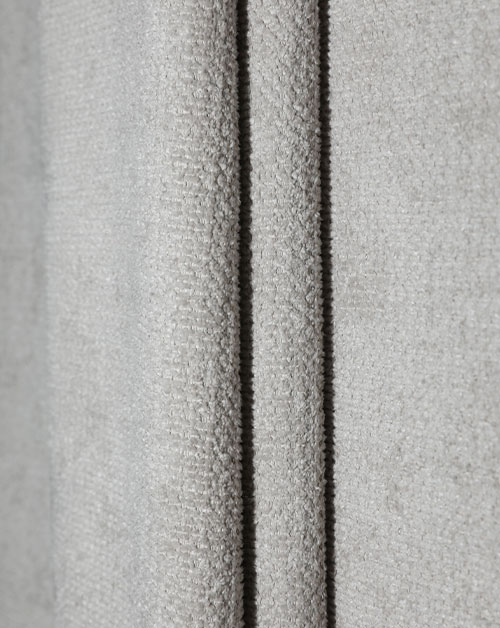
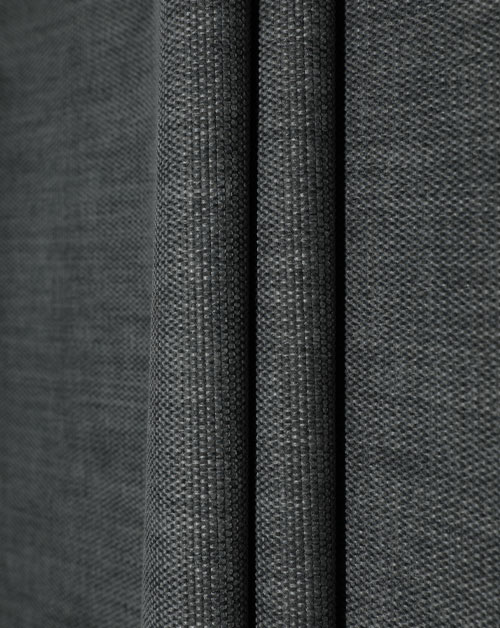
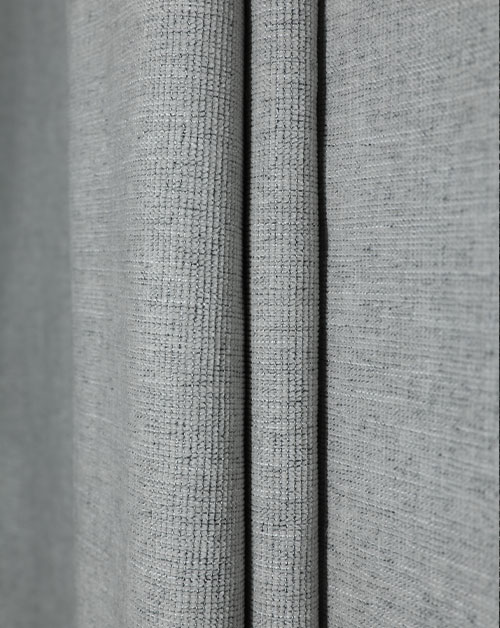
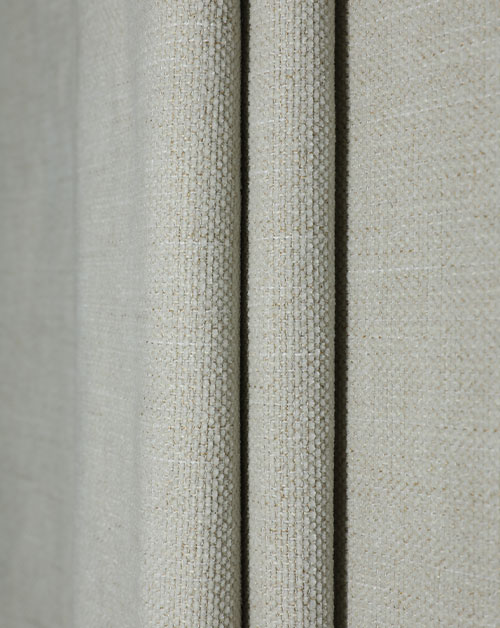
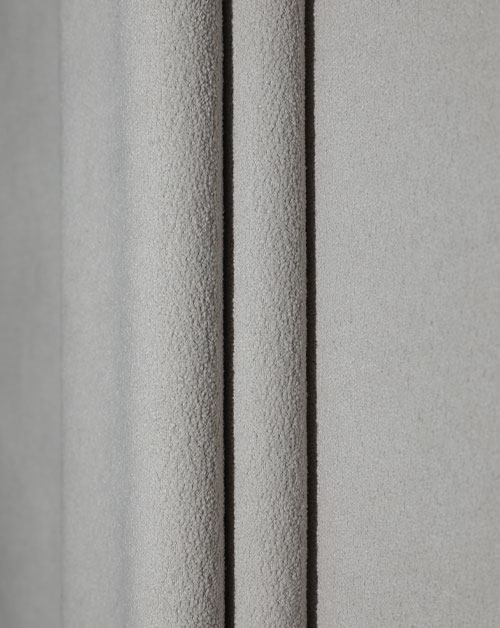
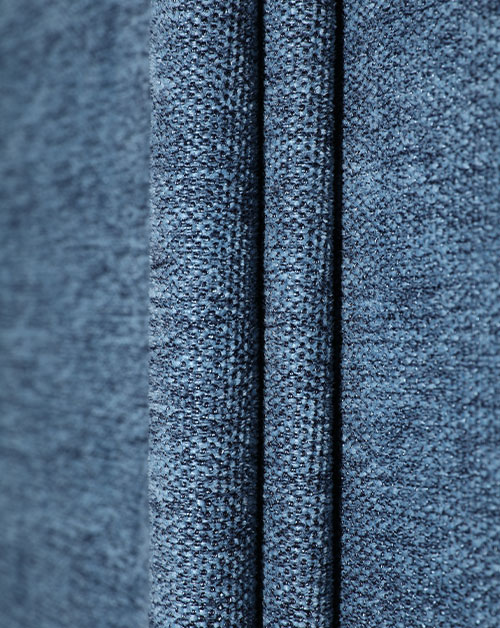
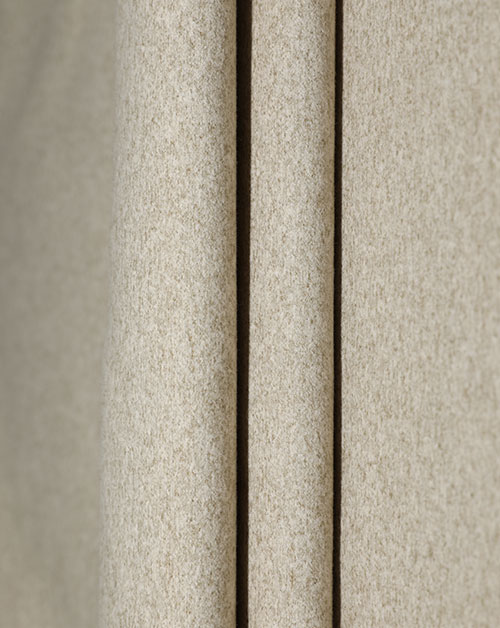
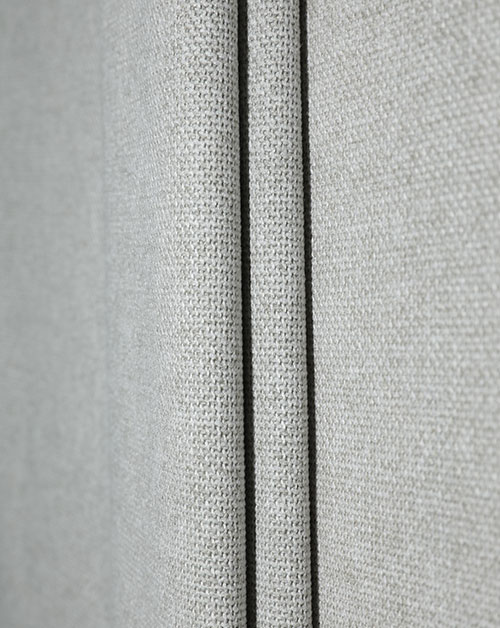
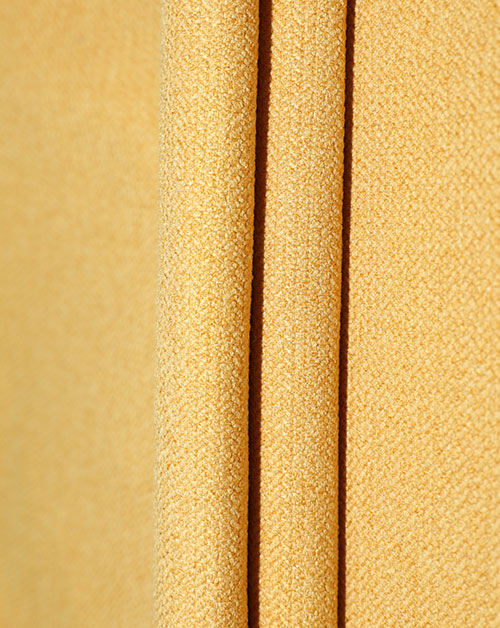
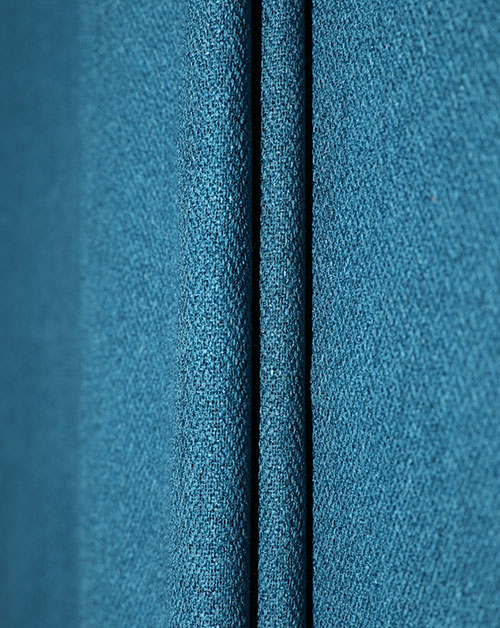
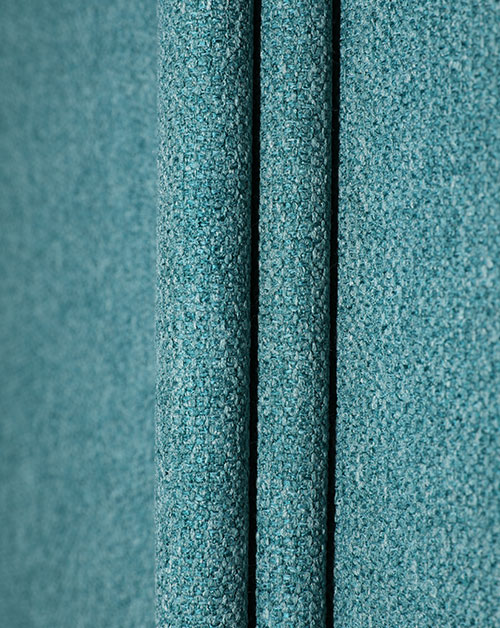
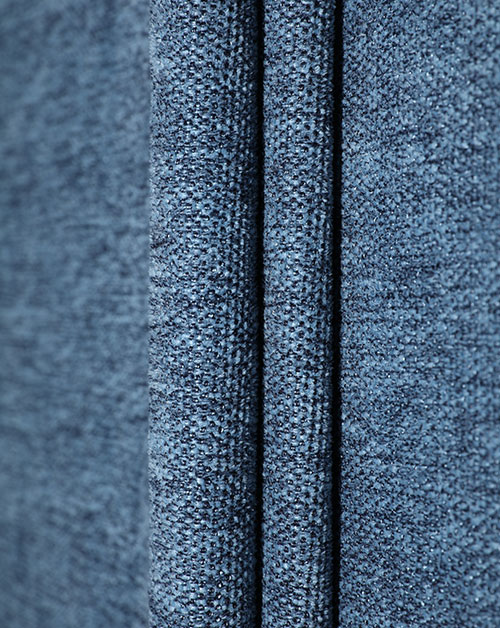
Woven Imitation Linen Fabric is a synthetic material designed to mimic the look and feel of natural linen while providing cost-effective alternatives. Typically produced through advanced weaving techniques, this fabric is made from various fibers such as polyester, cotton, or rayon, which contribute to its resemblance to traditional linen. The production process is engineered to replicate the texture, appearance, and breathable qualities of linen but at a lower cost.
What Makes Natural Linen Special?
Natural linen is derived from the flax plant and is known for its durability, moisture-wicking properties, and luxurious feel. It has been used for centuries in clothing, bedding, and home decor. The production of natural linen is a labor-intensive process, requiring significant resources to grow, harvest, and process flax fibers. While it is highly sustainable in terms of its biodegradability and eco-friendliness, it also tends to be more expensive due to its manufacturing complexity.
Benefits of Woven Imitation Linen Fabric Compared to Natural Linen
Cost-Effectiveness
One of the main advantages of Woven Imitation Linen Fabric is its lower price point. Unlike natural linen, which requires specialized farming and labor-intensive processing, Woven Imitation Linen Fabric can be produced more efficiently using synthetic fibers, making it a budget-friendly option for manufacturers and consumers. This cost-effectiveness is especially important for large-scale production runs in industries like fashion and home textiles.
Cost Comparison
| Aspect | Woven Imitation Linen Fabric | Natural Linen |
| Production Cost | Lower | Higher |
| Raw Material Cost | Cheaper synthetic fibers | Flax plant, labor-intensive process |
| Retail Price | More affordable | Expensive |
Sustainability in Fashion
Both Woven Imitation Linen Fabric and natural linen are considered environmentally friendly, but Woven Imitation Linen Fabric offers certain sustainability advantages. The fabric uses less water and energy in production compared to the traditional cultivation of flax for natural linen. Moreover, the use of recycled fibers in some imitation linen products can further enhance its eco-credentials. However, natural linen is biodegradable and has a lower environmental impact when discarded.
Environmental Impact Comparison
| Aspect | Woven Imitation Linen Fabric | Natural Linen |
| Water Usage | Lower | Higher (requires irrigation for flax) |
| Energy Consumption | Lower | Higher (due to processing of flax) |
| Biodegradability | Varies (depends on synthetic materials used) | Completely biodegradable |
Durability and Easy Maintenance
When it comes to maintenance, Woven Imitation Linen Fabric typically offers an advantage over natural linen. While linen can wrinkle easily and require delicate care, imitation linen is often more resilient, less prone to wrinkles, and easier to clean. Additionally, synthetic fibers tend to hold their shape better over time, making them a practical choice for high-use items such as upholstery and everyday clothing.
Maintenance Comparison
| Aspect | Woven Imitation Linen Fabric | Natural Linen |
| Wrinkling | Less wrinkling | Prone to wrinkles |
| Cleaning | Machine washable, low maintenance | Requires hand washing or dry cleaning |
| Durability | More durable in high-traffic areas | Can wear down over time with frequent use |
All-Season Usability
Woven Imitation Linen Fabric and natural linen both offer breathability, making them suitable for warm climates. However, imitation linen tends to retain its structure better across various weather conditions, while natural linen can feel stiffer or heavier in colder temperatures. Both fabrics are naturally moisture-wicking, but imitation linen’s blend of fibers can enhance its versatility, making it suitable for all seasons.
Seasonal Comparison
| Aspect | Woven Imitation Linen Fabric | Natural Linen |
| Breathability | High | High |
| Temperature Control | Better retention in various climates | More suitable for warmer weather |
| Moisture-Wicking | Effective | Effective |
Conclusion
In conclusion, while both Woven Imitation Linen Fabric and natural linen offer distinct advantages, the choice between them depends on factors such as cost, sustainability, durability, and ease of maintenance. Woven Imitation Linen Fabric is an excellent choice for businesses and consumers seeking affordable, durable, and eco-friendly alternatives to natural linen without sacrificing appearance or functionality. On the other hand, natural linen remains a premium option for those seeking an entirely natural, biodegradable material with a long history of use.
Frequently Asked Questions
- Q: What is Woven Imitation Linen Fabric made of?
- A: It is made from synthetic fibers like polyester, cotton, or rayon, designed to replicate the look and feel of natural linen.
- Q: How does Woven Imitation Linen Fabric compare to natural linen in terms of sustainability?
- A: While both are eco-friendly, Woven Imitation Linen Fabric generally has a lower environmental impact due to less water and energy use in production.
- Q: Is Woven Imitation Linen Fabric easier to maintain than natural linen?
- A: Yes, it is less prone to wrinkling and can be machine-washed, making it easier to maintain compared to natural linen.
- Q: Can Woven Imitation Linen Fabric be used in all seasons?
- A: Yes, it offers breathability and moisture-wicking properties, making it suitable for all seasons.
- Q: Which fabric is better for fashion: Woven Imitation Linen Fabric or natural linen?
- A: It depends on your budget and requirements. Woven Imitation Linen Fabric is more affordable and durable, while natural linen offers a more luxurious feel.