English
 中文简体
中文简体 русский
 عربى
عربىWhat Makes Woven Imitation Linen Fabric a Top Textile Choice
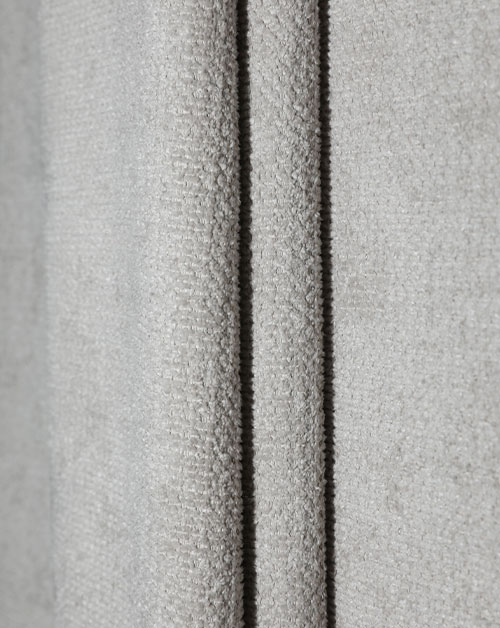
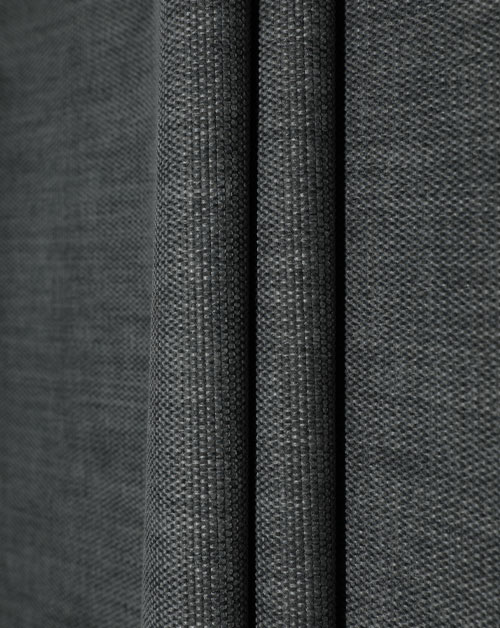
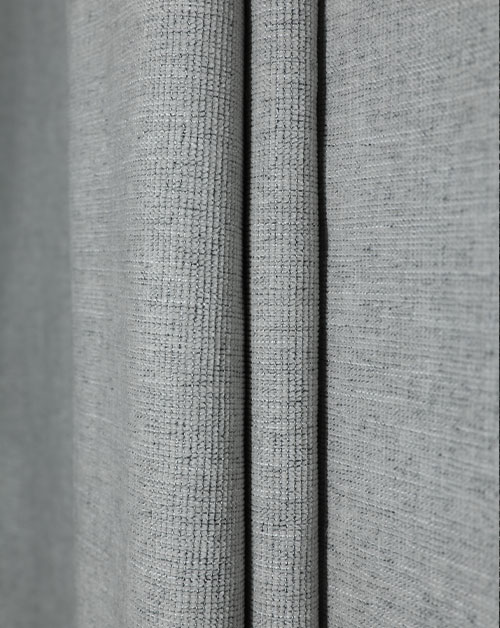
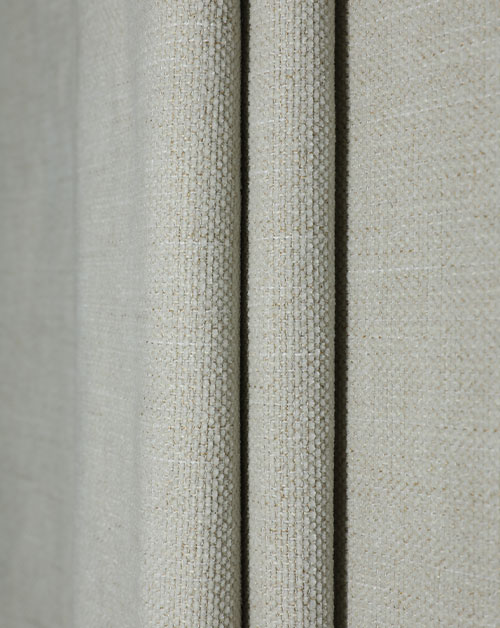
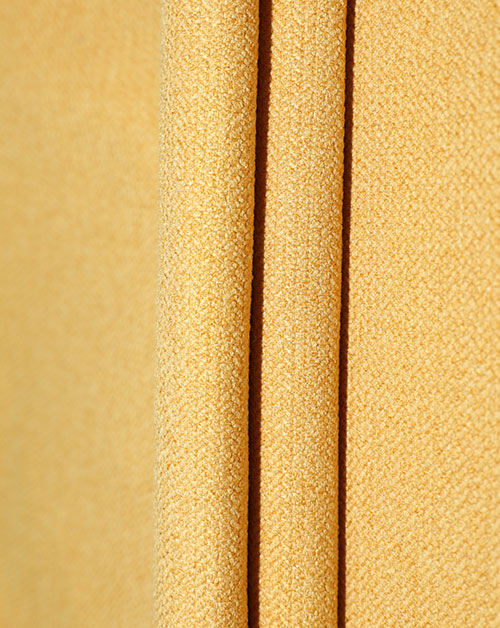
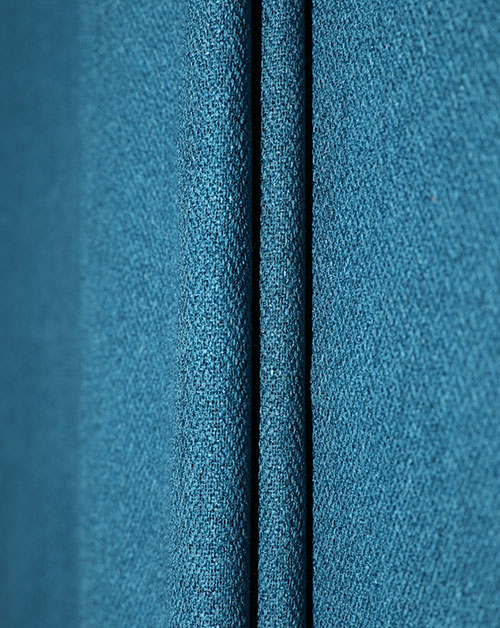
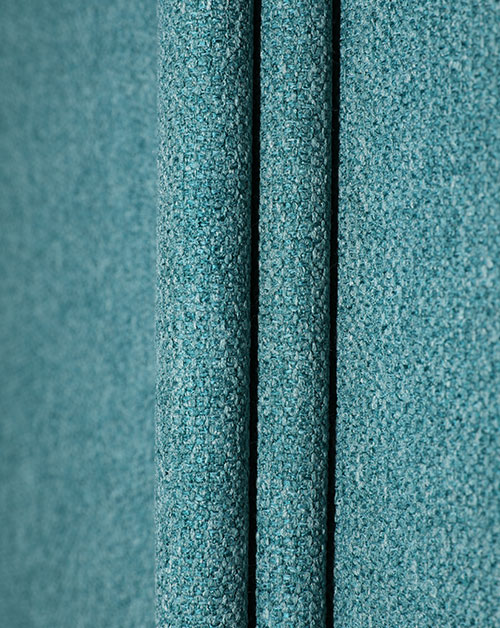
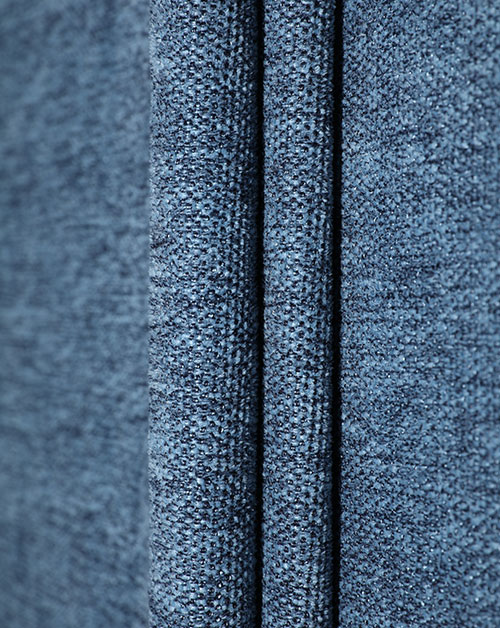
Woven imitation linen fabric is a high-performance woven textile that perfectly replicates the natural texture and aesthetic of pure linen while overcoming the limitations of natural linen materials. It delivers excellent durability, easy care, dimensional stability, and cost efficiency, making it suitable for mass production and daily use without compromising on visual appeal. This fabric balances practicality and decorative value, and it has become a mainstream alternative to pure linen in apparel, home textiles, and decorative industries worldwide.
Unlike pure linen, which wrinkles easily, shrinks significantly after washing, and requires high maintenance, woven imitation linen maintains a neat appearance long-term, withstands frequent laundering, and retains its shape and color. It also offers better color consistency and customizable performance indicators, such as water resistance, fade resistance, and wear resistance, to adapt to diverse usage scenarios. For both commercial and household applications, this fabric provides a cost-effective, reliable, and aesthetically pleasing solution that meets modern consumer demands for both beauty and functionality.
Manufacturing Process and Material Composition of Woven Imitation Linen Fabric
Base Materials and Blending Ratio
Woven imitation linen fabric is mainly produced from synthetic fibers and regenerated fibers, with polyester, rayon, and their blends as the most common raw materials. Manufacturers select fiber types and adjust blending ratios to simulate the hand feel, breathability, and texture of natural linen. High-quality imitation linen uses mature fiber blending technology to ensure the fabric is close to natural linen in appearance while enhancing overall performance.
The blending process is a core step in determining fabric quality. A reasonable ratio ensures the fabric has the breathability of natural fibers and the toughness of synthetic fibers. Most finished products on the market use a stable blending system, which effectively reduces defects such as static electricity, pilling, and deformation while enhancing the authenticity of the linen texture.
Woven Processing Technology
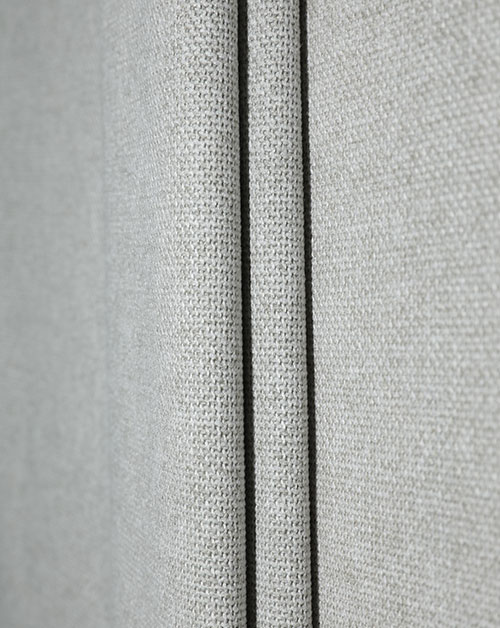
As a woven fabric, it is produced by interlacing warp and weft yarns vertically on a professional weaving machine, which gives it higher structural stability and tensile strength than knitted fabrics. The weaving process uses a specific yarn twist and weave structure to create the distinct rough, natural texture unique to linen.
After weaving, the fabric undergoes pre-treatment, dyeing, finishing, and inspection. Finishing treatments are particularly critical, including anti-wrinkle finishing, color fixing, softening, and water-repellent treatments. These processes enhance practical performance while retaining the linen-like appearance, forming the final high-quality woven imitation linen fabric.
Quality Control Standards
Formal manufacturers implement strict quality control during production, focusing on color fastness, surface evenness, yarn density, and dimensional stability. Qualified products have excellent color fastness to washing and sunlight, no obvious color difference, uniform texture, and no broken yarns, neps, or other defects. These standards ensure the fabric performs consistently in long-term use and meets commercial and household quality requirements.
Key Performance Advantages of Woven Imitation Linen Fabric
Outstanding Dimensional Stability and Wrinkle Resistance
The most significant advantage of woven imitation linen over pure linen is its excellent wrinkle resistance and dimensional stability. Pure linen wrinkles severely after washing and use, requiring ironing to maintain a neat look, while woven imitation linen retains a smooth surface after repeated washing and daily wear, with almost no visible wrinkles. It also has extremely low shrinkage rate, far lower than natural linen, so products made from it maintain their original size and shape without deformation or shrinkage.
Breathability and Comfort Close to Natural Linen
Despite being an engineered fabric, woven imitation linen retains the high breathability of linen. Its unique woven structure allows air and moisture to circulate freely, keeping the surface dry and comfortable. In hot environments, it dissipates heat and moisture quickly, providing a cool and comfortable experience for users, just like natural linen. This performance makes it widely popular in summer apparel and home textile products.
Wear Resistance and Durability
Woven imitation linen has excellent tensile and wear resistance, with a service life far longer than pure linen. It withstands daily friction, repeated folding, and frequent machine washing without pilling, fraying, or breaking. This durability reduces replacement frequency and lowers long-term usage costs, making it ideal for high-frequency use scenarios such as family daily use and commercial public areas.
Easy Care and Low Maintenance Cost
- Machine washable and dryable without special care requirements
- No ironing needed, saving time and effort for daily care
- Resistant to mold and mildew in humid environments
- Colorfastness ensures long-term use without fading or discoloration
Rich Color Options and High Color Consistency
Woven imitation linen supports a full range of dyeing processes, offering hundreds of stable color options. Unlike natural linen, which has limited dyeing performance and uneven color absorption, this fabric provides uniform, full, and bright colors with strong consistency between batches. It meets personalized decorative and design needs, supporting solid colors, printed patterns, and yarn-dyed designs to adapt to diverse style preferences.
Comparison Between Woven Imitation Linen and Pure Linen
To help users understand the core differences and application values, we have created a detailed comparison table covering appearance, performance, care, and cost. This table clearly shows why woven imitation linen is a more practical choice for most consumers.
| Performance Item | Woven Imitation Linen | Pure Linen |
|---|---|---|
| Wrinkle Resistance | Excellent | Poor |
| Dimensional Stability | High | Low |
| Care Difficulty | Easy | High |
| Durability | Strong | General |
| Cost | Affordable | High |
From the comparison, pure linen has natural ecological advantages but is limited by high maintenance, poor stability, and high cost. Woven imitation linen achieves a balance in all aspects, with performance that fully meets daily needs and a more user-friendly experience. For most application scenarios, imitation linen is clearly the more rational and cost-effective choice.
Main Application Fields of Woven Imitation Linen Fabric
Home Textile Products
Home textiles are the largest application area for woven imitation linen fabric, thanks to its linen-like texture, durability, and easy-care properties. It is widely used in curtains, cushion covers, tablecloths, bed sheets, pillowcases, and sofa covers. Curtains made from this fabric have good light-filtering performance and a natural drape effect, creating a warm and elegant home environment. Tablecloths and cushion covers resist stains and wear, maintaining a new look even with long-term use. Bed products offer breathable and cool comfort, especially suitable for summer use.
Apparel and Fashion Accessories
In the apparel industry, woven imitation linen is widely used in casual wear, shirts, dresses, pants, and jackets. Its breathable and wrinkle-resistant features make it ideal for daily and travel clothing. Fashion accessories such as hats, bags, and scarves also use this fabric for its stable shape and stylish linen appearance. Clothing made from it is lightweight, comfortable, and does not require frequent ironing, perfectly matching modern consumers’ fast-paced lifestyle.
Commercial and Decorative Applications
Commercial spaces prefer woven imitation linen for its cost efficiency and durability. It is used in hotel soft furnishings, restaurant table textiles, office curtains, and public area upholstery. These places demand fabrics that maintain appearance with high-frequency use, and this fabric meets the requirement perfectly. It is also used in exhibition decorations, store displays, and interior design projects for its versatile style and stable performance.
Handmade and Craft Products
Handmade enthusiasts often choose woven imitation linen for DIY projects, including tote bags, storage boxes, table mats, and decorative paintings. Its easy cutting, sewing, and shaping properties make it suitable for handmade production. The fabric’s rich colors and linen texture add a natural, artistic touch to crafts, making them popular in home decoration and gift production.
Practical Usage and Maintenance Guidelines for Woven Imitation Linen
Daily Cleaning Methods
Woven imitation linen supports both machine and hand washing. For daily cleaning, use cold or warm water below 40°C with neutral detergent. Avoid strong alkaline detergents to protect fiber structure and color fastness. Machine washing uses gentle mode to reduce fabric friction and deformation. For local stains, gently scrub with a soft brush instead of hard rubbing to avoid surface damage.
Drying and Storage Tips
After washing, smooth the fabric and hang it dry in a ventilated area, avoiding direct long-term sunlight to prevent slight fading. It can also be tumble dried on low heat. During storage, fold it neatly and place in a dry, cool cabinet, away from damp environments to prevent mildew. No additional desiccant is required under normal conditions, making storage simple and convenient.
Daily Use Precautions
- Avoid prolonged contact with sharp objects to prevent scratching or snagging
- For liquid stains, blot immediately with a clean cloth instead of wiping vigorously
- Ironing is unnecessary; low-temperature ironing is allowed only for special needs
- Regularly pat and tidy textile products to maintain fluffy and neat appearance
Following these guidelines ensures woven imitation linen products retain their appearance, texture, and performance for many years, maximizing their service life and value.
Market Prospects and Development Trends of Woven Imitation Linen Fabric
Current Market Demand and Consumer Recognition
In global textile markets, demand for woven imitation linen fabric grows year by year, driven by consumer demand for practical, aesthetic, and cost-effective textiles. It is widely recognized in Europe, North America, and Asia, as it satisfies the preference for natural linen style without the hassle of high maintenance. More manufacturers and brands prioritize this fabric for product development, expanding its application scope and market share rapidly.
Sustainable and Eco-Friendly Development Trends
Modern textile industry focuses on sustainability, and woven imitation linen is developing toward eco-friendly production. Manufacturers use recycled fibers, low-carbon dyeing, and water-saving finishing technologies to reduce environmental impact. Eco-friendly imitation linen products meet green consumption demands and gain wider market acceptance. This trend will become a core direction for future product upgrades.
Functional Innovation and Customized Development
Future woven imitation linen will focus on functional innovation, including waterproof, oil-proof, anti-static, anti-bacterial, and UV-resistant properties. Customized services for yarn count, thickness, color, and texture will meet personalized needs in apparel, home textiles, and commercial sectors. With technological advancements, the fabric will get closer to natural linen in texture while enhancing performance, creating broader application space.
Summary of Core Values of Woven Imitation Linen Fabric
Woven imitation linen fabric is an outstanding textile that combines natural aesthetics and modern performance. It reproduces the texture and style of pure linen while solving natural linen’s defects of easy wrinkling, high maintenance, and poor stability. With excellent durability, breathability, easy care, and cost efficiency, it is widely used in home textiles, apparel, commercial decoration, and handmade crafts.
For consumers, it is a practical and cost-effective choice that brings comfort and beauty while reducing daily maintenance trouble. For manufacturers and designers, it is a flexible, stable, and market-adaptable raw material that supports mass production and personalized design. With sustainable and functional innovations, its market position will strengthen, and it will continue to be a preferred textile in global daily and decorative applications.
Whether for home decoration, daily clothing, or commercial projects, woven imitation linen fabric provides reliable, beautiful, and long-lasting solutions, making it an indispensable high-quality textile in modern life.