English
 中文简体
中文简体 русский
 عربى
عربىIn modern home design, the sofa is not only the heart of the living space but also a crucial element reflecting the style of the room. Sofa fabric, as the core of the sofa's appearance and feel, directly determines comfort, durability, and overall aesthetics. Whether it's a luxurious living room or a cozy family space, high-quality sofa fabric can enhance the living experience and add unique charm to the home.
Characteristics of Different Sofa Fabric Materials
Sofa fabrics come in a variety of materials, each with its unique properties and feel. Natural fibers such as cotton, linen, and wool are soft, breathable, and have a naturally comfortable feel, providing a warm and inviting home experience. Cotton sofa fabric has a delicate surface, suitable for prolonged skin contact, while linen exhibits a natural texture and is refreshing and breathable, making it ideal for summer use. Wool sofa fabric excels in warmth and softness, providing extra comfort in cold environments.
Synthetic fibers such as polyester and nylon offer significant advantages in wear resistance and stain resistance. These sofa fabrics are processed with fine craftsmanship, resulting in a smooth surface and stable colors, maintaining a good appearance even after long-term use. The easy-to-clean nature of polyester makes home maintenance easier, while the durability of nylon ensures it remains in good condition even with frequent use.
Blended fabrics combine the comfort of natural fibers with the durability of synthetic fibers, offering both a soft touch and strong performance. These fabrics are often used in high-end sofa products, ensuring both convenience for daily use and meeting high aesthetic demands.
Key Factors in Comfort and Feel
When choosing sofa fabric, the feel is the most direct factor affecting the user experience. Soft and delicate fabrics provide a pleasant feel against the skin, creating a relaxing and enjoyable psychological experience. The thickness and density of the fabric are also important parameters determining comfort. High-density fiber arrangement can provide good support while maintaining softness, preventing sagging and deformation after prolonged use.
Breathability and moisture absorption are also important factors affecting comfort. Breathable sofa fabrics allow air circulation, reducing stuffiness and maintaining a refreshing sitting experience. Fabrics with good moisture-wicking properties can quickly wick away sweat, preventing discomfort during summer use and also helping to extend the lifespan of the sofa.
Durability and Ease of Maintenance
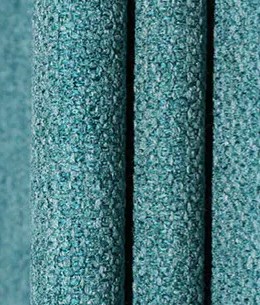
As a piece of furniture frequently used in the home, the durability of a sofa is a crucial indicator of fabric quality. High-quality sofa fabric not only boasts excellent wear resistance but also withstands UV rays and daily stains, maintaining its color and texture for a long time. The weaving method, fiber structure, and post-treatment processes all affect its durability. Tight weaving structures and reinforced edges significantly improve the fabric's lifespan.
Ease of maintenance is also a basic requirement for modern home sofa fabrics. High-quality sofa fabrics typically have stain-resistant, easy-to-clean, and waterproof properties, able to handle accidental spills and stains in daily life. Fabrics treated with stain-resistant finishes can easily maintain cleanliness and tidiness even with frequent use in a family environment, providing convenience for home life.
Visual Expression of Color and Style
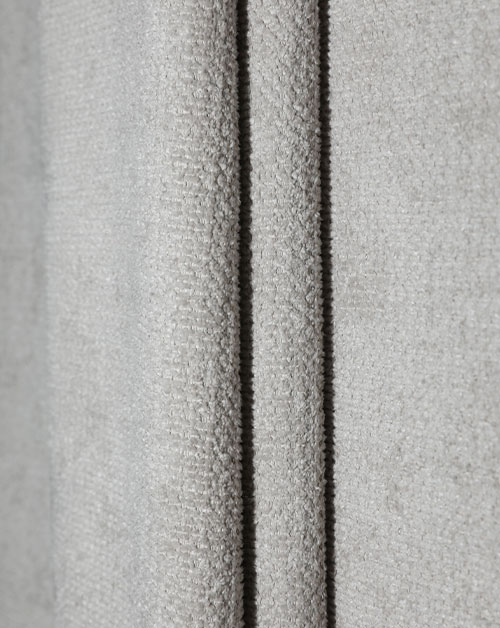
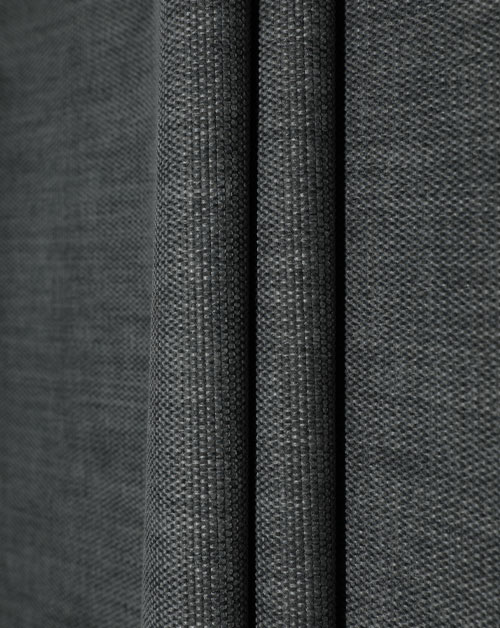
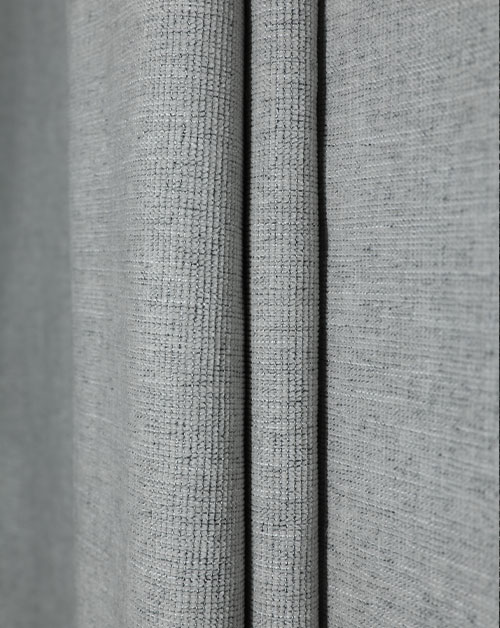
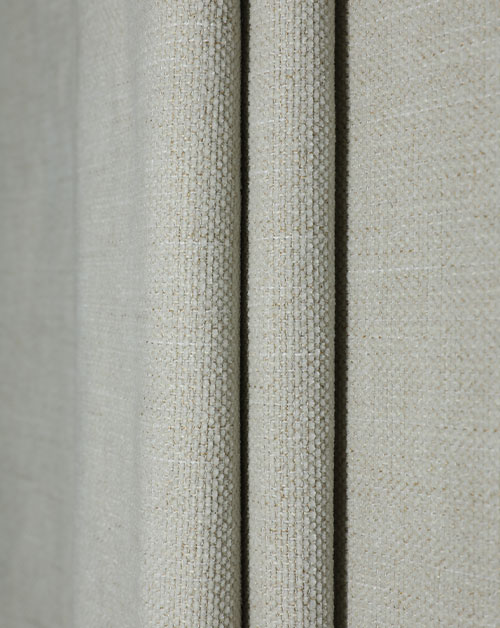
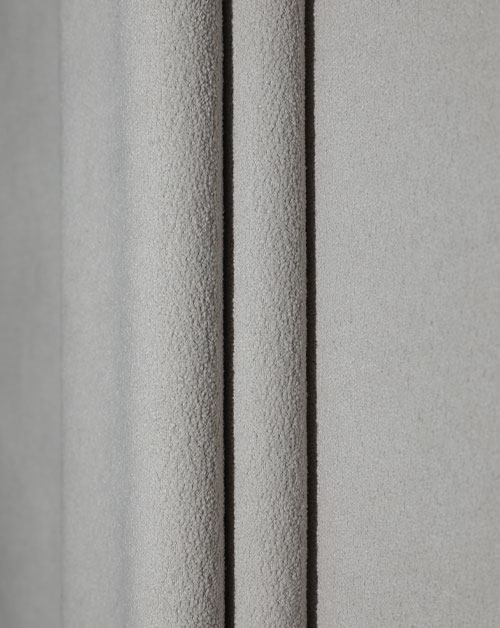
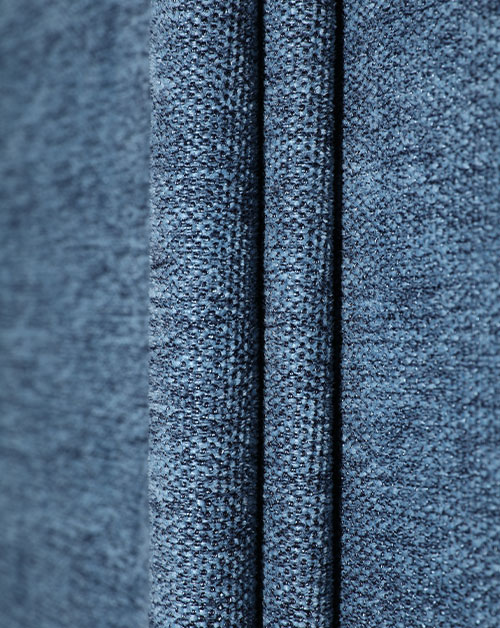
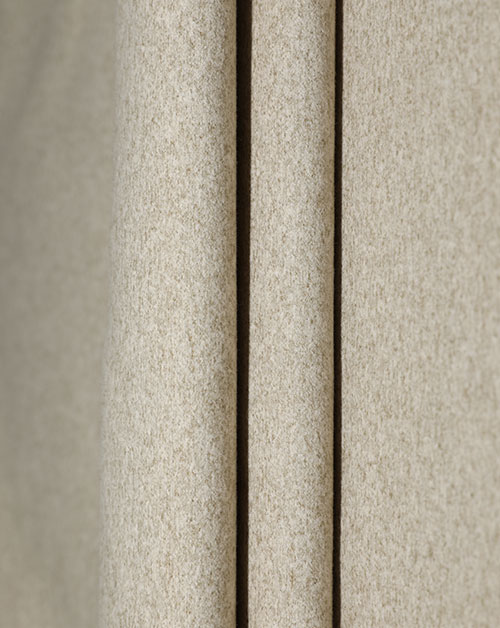
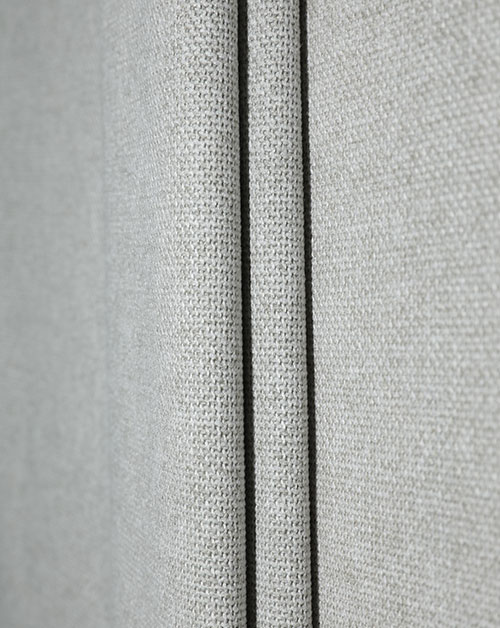
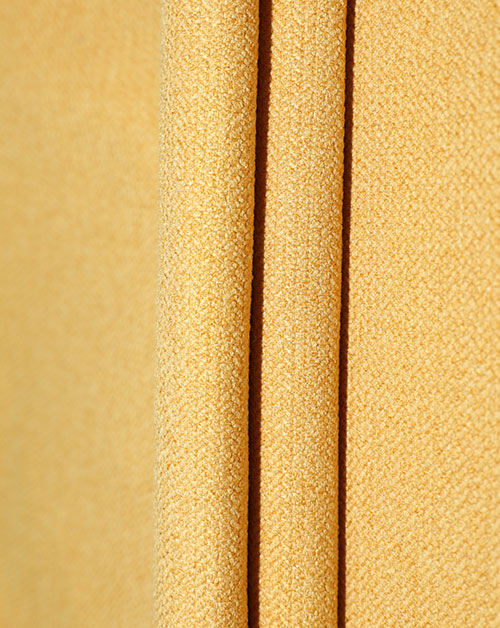
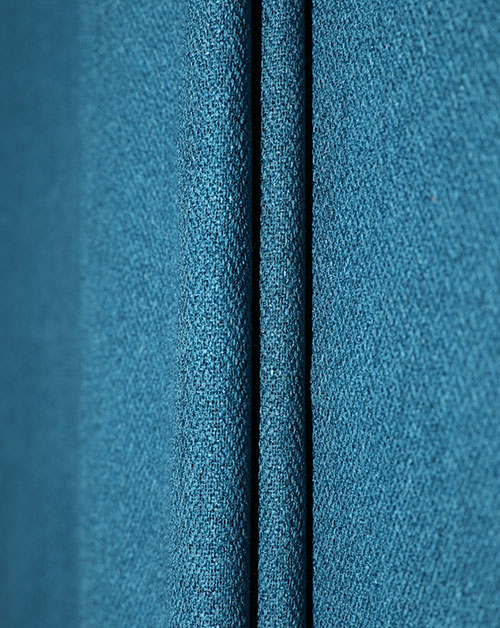
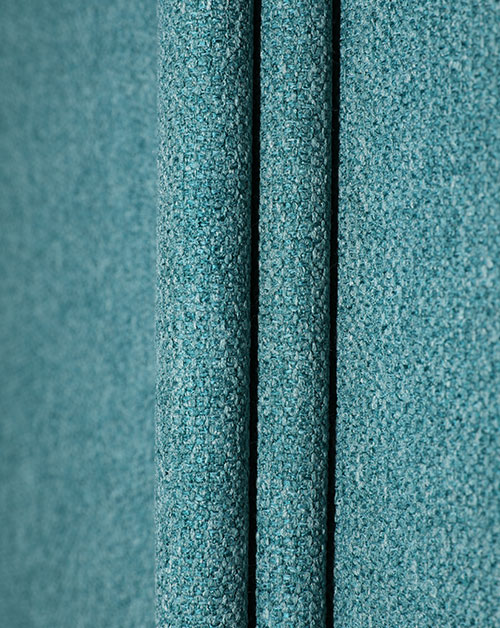
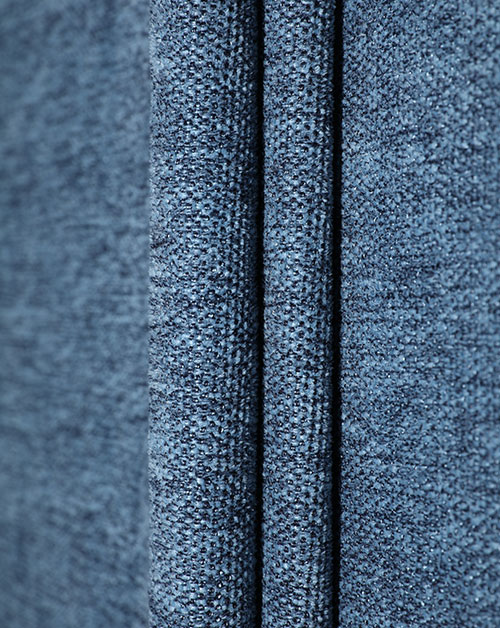
Sofa fabric is not only about touch and durability; its visual expression is equally important. The color, texture, and sheen of the fabric directly affect the overall home style. Soft, light-colored fabrics can create a warm and comfortable space, while dark-colored fabrics are suitable for a stable and elegant home style. The texture design of the fabric surface, such as velvet, linen, or delicate jacquard, can add rich visual layers to the sofa.
In terms of color matching, the color stability of high-quality sofa fabric is particularly crucial. Fabrics treated with high-temperature color setting or dyes maintain their original color even after prolonged exposure to sunlight, preventing fading and providing lasting assurance for overall home aesthetics.
Environmental and Health Considerations
Modern consumers are increasingly concerned about environmental protection and health when choosing sofa fabrics. High-quality sofa fabrics typically use harmless fibers and environmentally friendly dyes, reducing the residue of harmful chemicals and ensuring the safety and health of the home environment. At the same time, natural fiber fabrics have good biodegradability and are environmentally friendly. Environmentally friendly fabrics not only reflect a focus on health but also demonstrate the sustainable concept of modern home living.
Maintenance and Care Suggestions
Proper maintenance and care can extend the lifespan of the sofa while maintaining the beauty and comfort of the fabric. Regular vacuuming and gentle wiping can effectively reduce wear and tear on fibers caused by dust and fine particles, preventing fabric aging. For natural fiber fabrics, professional dry cleaning or wet cleaning can be done as needed to maintain fiber softness. Synthetic and blended fabrics generally have higher water resistance and can easily handle stains during daily cleaning.
Avoiding prolonged exposure to sunlight prevents fabric fading, while regularly adjusting the position of sofa cushions and backrests ensures even wear of the fibers, delaying deformation and sagging.
FAQ
Q1: How do different sofa fabric materials affect comfort?
The fiber structure and feel of different materials directly affect comfort. Natural fibers are soft and skin-friendly, synthetic fibers are durable and easy to care for, and blended fabrics combine the advantages of both.
Q2: How to determine the durability of sofa fabric?
Fabric density, weaving method, and post-treatment processes are key factors in determining durability. High-density, tightly woven fabrics are more wear-resistant.
Q3: Is sofa fabric difficult to clean?
High-quality fabrics usually have stain-resistant, waterproof, or easy-to-clean properties. Daily maintenance mainly relies on vacuuming and gentle wiping.
Q4: What environmental factors should be considered when choosing sofa fabric?
Environmentally friendly fabrics should use harmless fibers and eco-friendly dyes, reducing harmful chemicals and ensuring family health.