English
 中文简体
中文简体 русский
 عربى
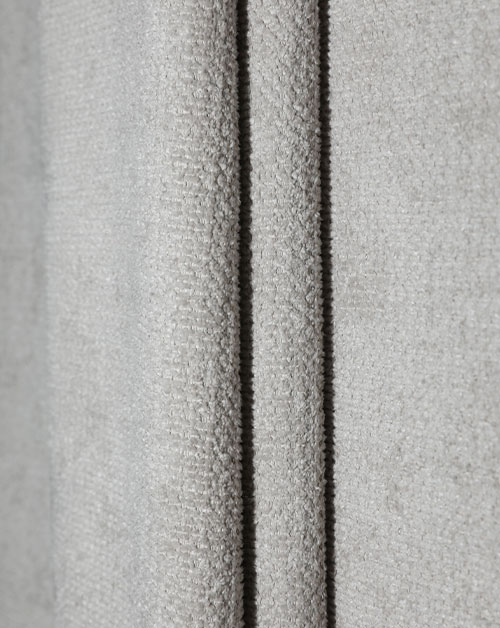
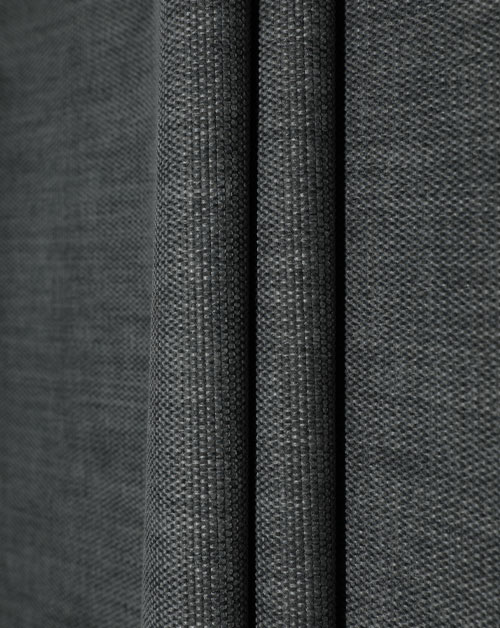
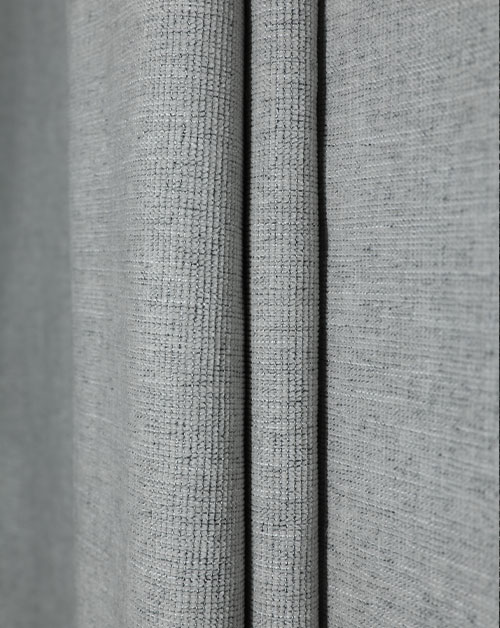
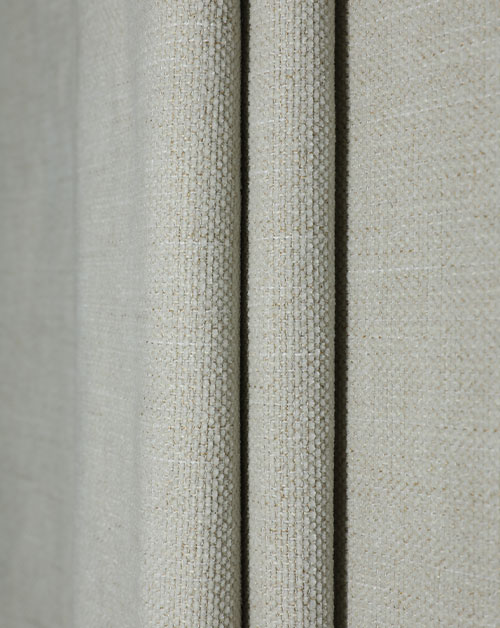
عربىFunctional fabrics, with their superior performance and diverse applications, are gradually becoming an important component in home decoration, especially in home furnishings such as sofas and curtains. Unlike traditional fabrics, functional fabrics not only focus on appearance and feel but also emphasize their unique practical functions, such as waterproofing, stain resistance, and UV protection. These characteristics have led them to gradually replace traditional fabrics in the home furnishing field, becoming the new favorite in modern home decoration.
Basic Characteristics of Functional Fabrics and Their Advantages in Home Applications
The widespread application of functional fabrics in the home furnishing field is mainly due to their unique performance. Unlike ordinary fabrics, functional fabrics incorporate a variety of advanced technologies, providing practicality unmatched by traditional home textiles. For example, fabrics with waterproof and stain-resistant functions can effectively resist water and stain penetration, making home furnishings such as sofas and curtains more durable and easy to clean.
The breathability and UV protection of functional fabrics are also important advantages in their application in the home. Breathable fabrics can effectively regulate air circulation, keeping the indoor air fresh. UV protection can effectively prevent sunlight from fading the colors of sofas and curtains, extending the lifespan of home furnishings.
In home decoration, the greatest benefits of functional fabrics are their durability and ease of maintenance. Whether it's sofas, curtains, bedding, or carpets, functional fabrics allow home furnishings to withstand the test of time, reducing the need for frequent replacement and lowering maintenance costs.
Applications of Functional Fabrics in Sofas and Curtains
In modern home decoration, sofas and curtains are among the most common application scenarios for functional fabrics. As consumers' demands for home quality and living standards increase, more and more families are choosing fabrics with multiple functional characteristics to make sofas, curtains, and other home decorations.
Sofa Fabric Selection: Waterproof and Stain-Resistant Functions are Crucial
Sofas are one of the most frequently used pieces of furniture in daily life, so choosing a fabric that is both comfortable and durable is crucial. The waterproof and stain-resistant properties of functional fabrics can effectively prevent stains from food, beverages, and pet hair, keeping the sofa clean and tidy. This is especially essential for families with children or pets. It reduces the frequency of cleaning, keeping the sofa looking brand new even after long-term use.
In addition, the breathability of functional sofa fabrics is one of its important advantages. High-quality breathable fabrics prevent the sofa surface from becoming too hot or too damp, enhancing user comfort, especially in the hot summer months.
Curtain Fabric Selection: UV Protection and Heat Insulation Enhance Home Quality
Curtains are not only tools for blocking sunlight but also indispensable elements in home decoration. The UV protection function of functional curtain fabrics makes them an ideal choice for protecting interior furnishings and preventing UV damage. UV-resistant curtains effectively block harmful radiation from sunlight, protecting furniture, floors, and walls from UV erosion, preventing fading and aging, and extending the lifespan of home furnishings.
Curtain fabrics with heat insulation properties effectively reduce indoor temperature fluctuations, providing insulation in winter and heat protection in summer, improving home comfort. Especially in areas with significant climate changes, functional curtains can help families save energy, reduce the frequency of using air conditioning and heating systems, and contribute to environmental protection and energy conservation.
Manufacturing Process and Durability of Functional Fabrics
The manufacturing process of functional fabrics is relatively complex, involving various advanced technologies, such as fiber modification, coating technology, and nanotechnology. The application of these technologies allows the fabrics to not only possess the basic characteristics of traditional fabrics but also provide more additional functions.
The durability of functional fabrics largely depends on the raw materials and technological treatments used. For example, waterproof fabrics usually employ coating technology, evenly covering the fabric surface with a waterproof coating to prevent water penetration. Stain-resistant fabrics, on the other hand, use special chemical treatments to give the fabric surface a self-cleaning function, preventing stains and oil from adhering.
The application of nanotechnology makes the performance of functional fabrics even more outstanding. For example, a nano-coating can increase the UV resistance, antibacterial, and water-repellent properties of the fabric without changing its appearance or feel. With technological advancements, many functional fabrics also have self-healing capabilities, allowing them to repair themselves after minor wear or damage, greatly extending the lifespan of the fabric.
Environmental Protection and Sustainable Development of Functional Fabrics
With increasing environmental awareness, the sustainability of functional fabrics is receiving growing attention. Many brands are focusing on using environmentally friendly materials and green technologies to produce functional fabrics that align with sustainable development principles. For example, some brands are using recycled materials or renewable fibers to produce functional fabrics with a low environmental impact, reducing the burden on the environment.
In the field of home decoration, the environmental friendliness of functional fabrics is particularly important. When choosing home products such as sofas and curtains, consumers are not only concerned about the functionality of the fabric but also increasingly about its environmental friendliness. Choosing functional fabrics that meet environmental standards not only ensures a healthy and comfortable home life but also contributes to environmental protection.
Frequently Asked Questions (FAQ)
1. Are functional fabric sofas and curtains easy to clean?
One significant advantage of functional fabrics is their ease of cleaning. Most stain-resistant and waterproof fabrics can be easily wiped clean, keeping the surface clean. Many functional fabrics also have antibacterial properties, reducing bacterial growth and thus reducing the frequency of cleaning. With proper care according to the manufacturer's cleaning guidelines, functional fabric sofas and curtains will remain clean and beautiful for a long time.
2. Can functional curtains effectively block ultraviolet rays?
Functional curtains have very strong UV protection capabilities. High-quality functional curtain fabrics are specially treated to effectively block more than 90% of ultraviolet rays, protecting indoor furniture from sun damage.
3. Are functional fabric sofas suitable for families with pets?
Functional fabric sofas are very suitable for families with pets. Their waterproof and stain-resistant properties effectively prevent pet hair, urine stains, or food stains from penetrating, making them easy to clean and maintain. Many functional sofa fabrics can also resist pet scratching, keeping the sofa in good condition.
4. Can functional fabric curtains effectively insulate against heat?
Functional curtains have excellent thermal insulation properties and can effectively regulate indoor temperature. In the hot summer, thermal insulation curtains can reduce the absorption of heat indoors; in the cold winter, they can effectively maintain indoor warmth, reducing the use of air conditioning and heating, and improving home comfort.