English
 中文简体
中文简体 русский
 عربى
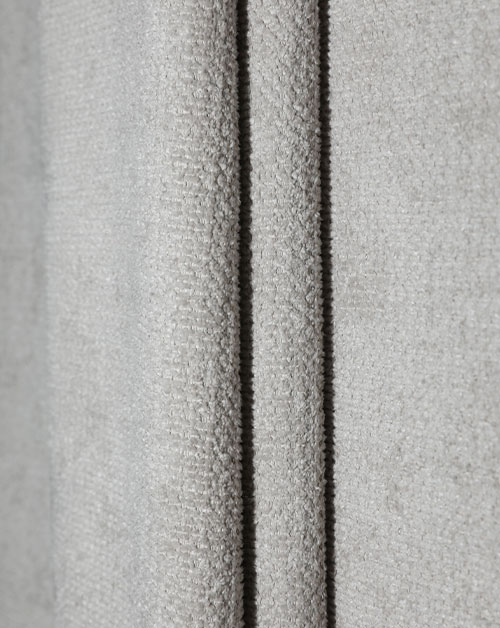
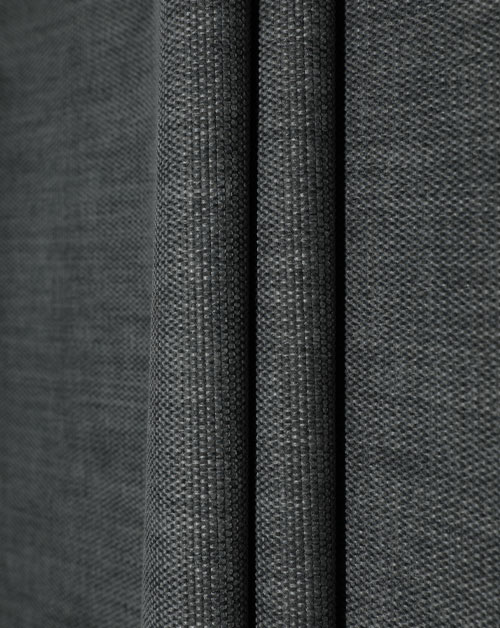
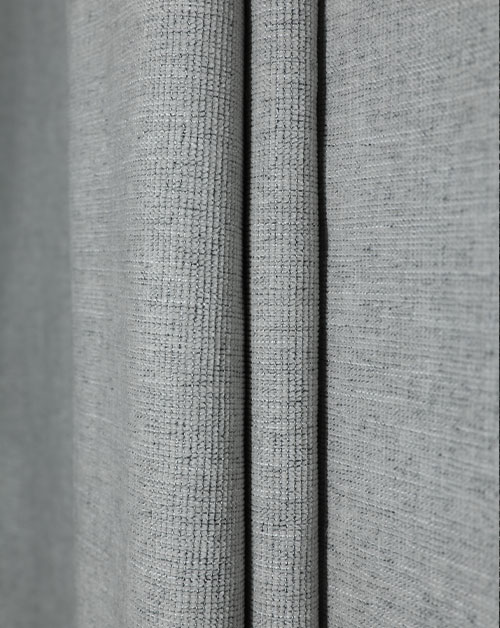
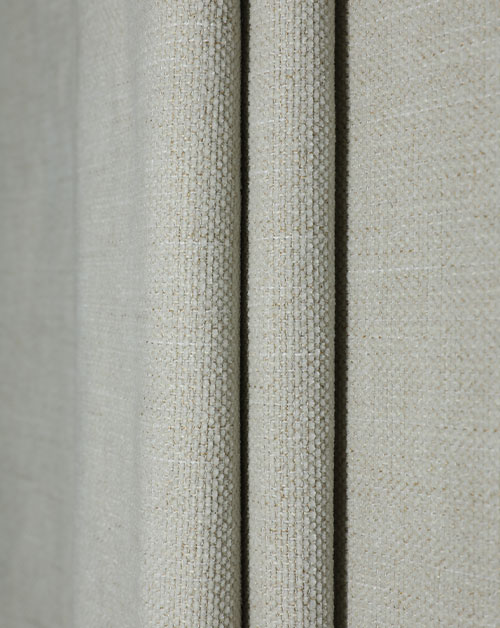
عربىIn the textile industry, Woven Imitation Linen Fabric has attracted considerable attention due to its unique texture and diverse applications. As a fabric that mimics the appearance of natural linen, it not only retains the visual effect of linen but also demonstrates significant advantages in feel, durability, and processing performance.
Structure and Material Characteristics of Imitation Linen Fabric
Woven Imitation Linen Fabric is usually made from a blend of natural and synthetic fibers. This structure gives the fabric a linen-like texture while also possessing the functionality of synthetic fibers. The fabric surface exhibits the rough texture of natural linen, but it is softer to the touch and less prone to wrinkling. Through precise weaving techniques, imitation linen fabric can retain the visual effect of linen while improving the fabric's wear resistance and tensile strength, allowing it to maintain its shape well during long-term use.
In terms of material selection, imitation linen fabric usually uses a blend of polyester, cotton, and viscose fibers with linen fibers. By adjusting the fiber ratio, different hand feels and gloss effects can be achieved. The addition of polyester increases the fabric's durability and wrinkle resistance, cotton fibers provide softness, and viscose enhances the fabric's drape and comfort. This multi-material combination not only expands the fabric's functionality but also makes imitation linen fabric highly similar to natural linen in both visual and tactile aspects.
Refined Manufacturing Process
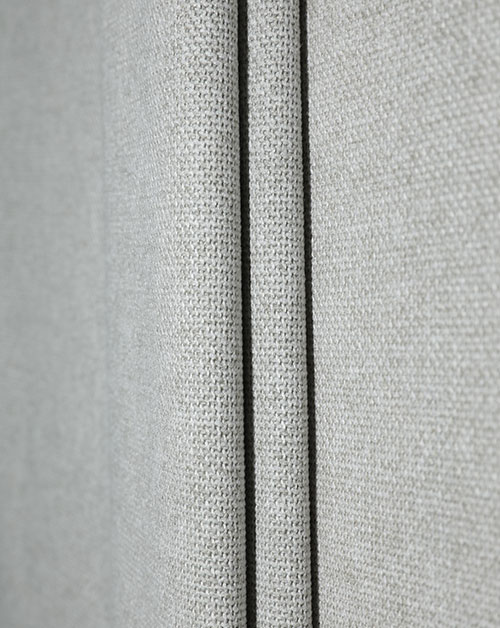
The quality of imitation linen fabric largely depends on its weaving process. The coarse texture of traditional linen is simulated in imitation linen fabric through special weaving or plain weave techniques. High-quality imitation linen fabrics have strict requirements in yarn selection, dyeing and finishing processes, and weaving density, ensuring that the fabric surface has the texture of natural linen while maintaining overall uniformity and toughness.
The dyeing and finishing process is also a crucial link in determining the final effect of the fabric. Through scientific dyeing treatment, imitation linen fabric can achieve the natural color of natural linen while maintaining color stability. Some high-end imitation linen fabrics also use environmentally friendly dyes, allowing the fabric to balance visual aesthetics and environmental performance, providing more choices for interior decoration and clothing.
The Touch and Functionality of Imitation Linen Fabric
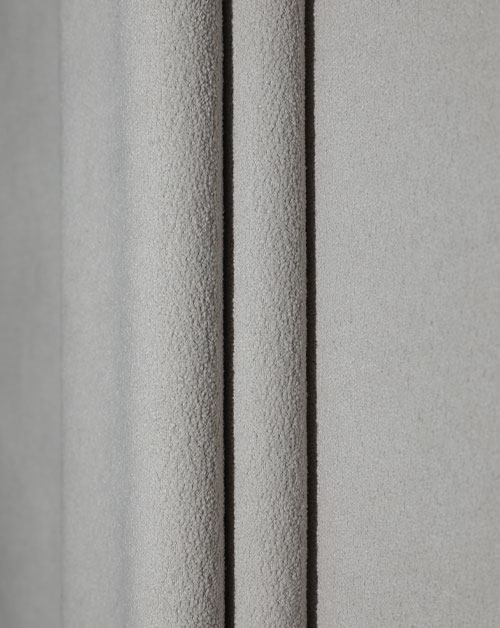
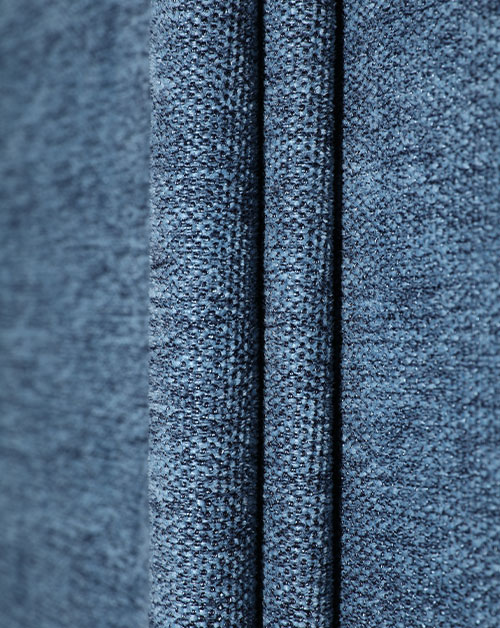
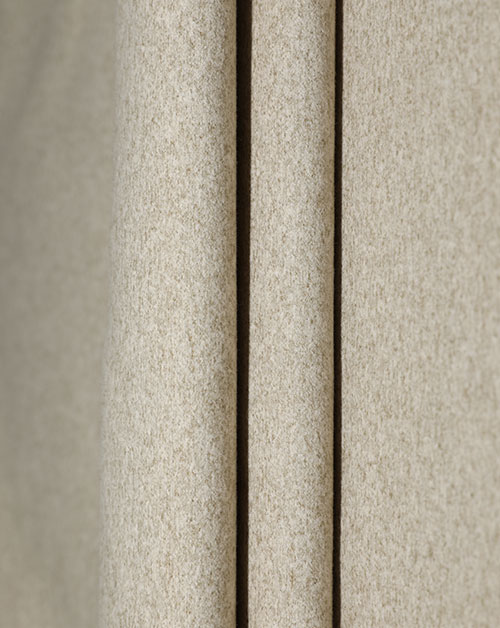
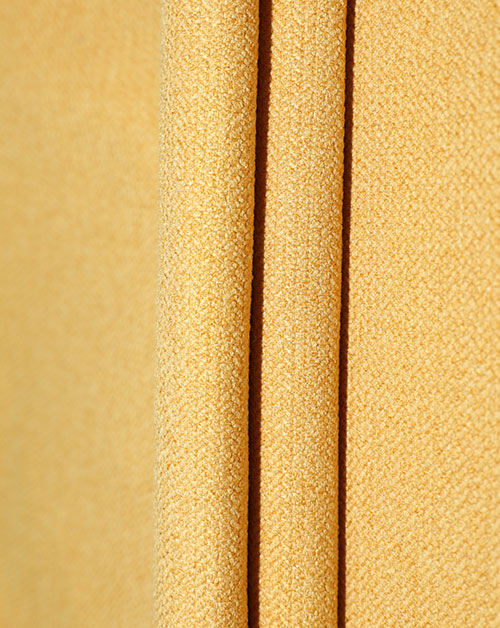
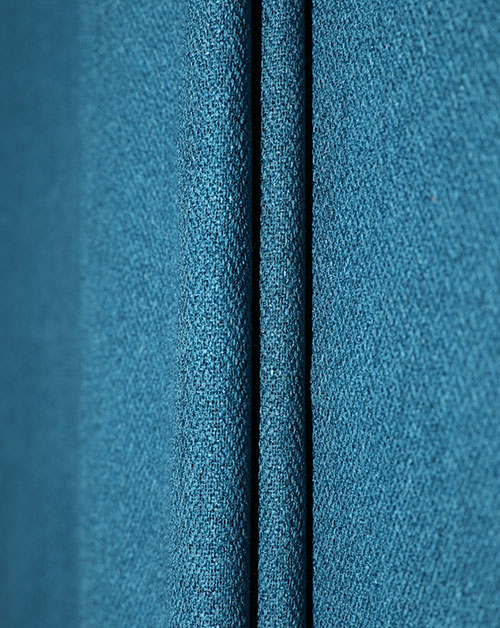
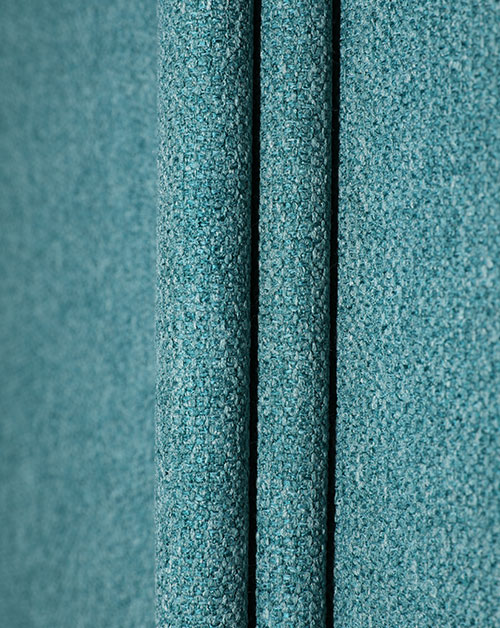
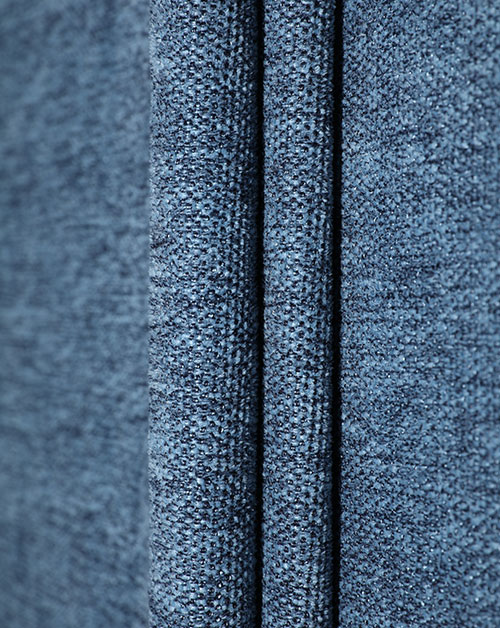
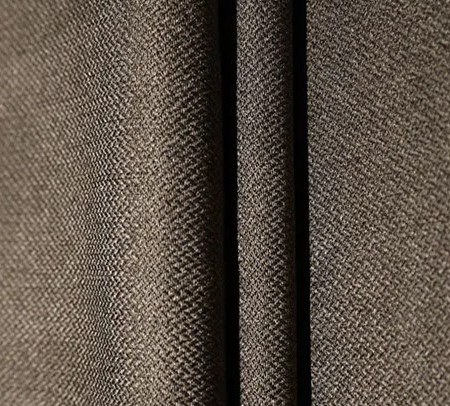
Tactile feel and functionality are the core selling points of Woven Imitation Linen Fabric. The fiber structure of imitation linen fabric gives it both the rough texture of linen and a soft feel. The surface has a natural feel with a slightly granular texture, giving the fabric a layered look and feel. Compared to natural linen, imitation linen fabric has better durability and wrinkle resistance, while maintaining breathability and comfort.
Imitation linen fabric performs outstandingly in terms of lightfastness, water resistance, and dyeing uniformity. Modern weaving technology also gives it a certain degree of stain resistance, making the fabric easier to clean and maintain in daily use. Overall, imitation linen fabric combines aesthetics, comfort, and practical functionality, making it an ideal substitute for natural linen in modern applications.
Diverse Application Fields
Due to its unique texture and high functionality, Woven Imitation Linen Fabric is widely used in various fields. Home decoration, clothing design, and commercial soft furnishings all utilize imitation linen fabric. Its natural texture and rich colors enhance the texture and visual effect of products.
In the home furnishings sector, imitation linen fabric is often used in curtains, sofa covers, and tablecloths, retaining the natural texture of natural linen while meeting the needs of durability and easy cleaning. In clothing design, imitation linen fabric, due to its good drape and comfortable feel, is a preferred fabric for spring and summer casual wear, shirts, and lightweight jackets. Commercial spaces and hotel soft furnishings also favor this fabric for wall decorations, cushions, and seating fabrics to create a high-end, natural visual experience.
Care and Maintenance Suggestions
Caring for imitation linen fabric is relatively simple, but attention to detail is still needed to extend its lifespan. Generally, imitation linen fabric should avoid prolonged exposure to direct sunlight to prevent color fading or fiber aging. During cleaning, it is recommended to use gentle washing or dry cleaning methods, avoiding strong rubbing. For minor wrinkles, low-temperature ironing or steam ironing can restore flatness. Proper care not only maintains the fabric's beauty but also extends its durability, keeping the imitation linen fabric in a high-quality state for a long time.
As a fabric that combines the aesthetic beauty of natural linen with modern functionality, Woven Imitation Linen Fabric offers significant advantages in weaving technology, material selection, tactile experience, and application areas. It not only solves the problems of natural linen's tendency to wrinkle and deform, but also closely resembles natural linen in visual effect and user experience, making it an indispensable high-quality fabric in modern textiles and home design. Whether for interior decoration or clothing manufacturing, imitation linen fabric has become a preferred choice for designers and consumers alike due to its unique charm.
FAQ
Q1: What are the differences between imitation linen fabric and natural linen?
A1: Imitation linen fabric mimics the texture and feel of natural linen through blended or synthetic fibers. Compared to natural linen, it is softer, more durable, and wrinkle-resistant, while also offering a wider range of colors and patterns.
Q3: What application scenarios are suitable for imitation linen fabric?
A3: Imitation linen fabric is suitable for various scenarios, including home decoration, clothing design, and commercial soft furnishings, enhancing durability and comfort while maintaining aesthetic appeal.
Q4: What should I pay attention to when cleaning and maintaining imitation linen fabric?
A4: It is recommended to avoid prolonged exposure to sunlight, use gentle washing or dry cleaning methods, and restore the fabric's flatness through low-temperature ironing or steam ironing.
Q5: Is imitation linen fabric environmentally friendly?
A5: High-quality imitation linen fabrics typically use environmentally friendly dyes and are produced using energy-efficient textile processes, balancing visual appeal and environmental performance.