English
 中文简体
中文简体 русский
 عربى
عربىWholesale sourcing of sofa fabrics drastically reduces manufacturing costs and ensures consistent product quality, provided that buyers rigorously prioritize fabric durability, supplier reliability, and trend adaptability. By sourcing directly from established wholesale channels, furniture manufacturers can maintain premium quality while effectively controlling expenditures. The key to successful bulk purchasing lies not merely in finding the lowest price, but in securing a long-term partnership with a supplier who understands the delicate balance between aesthetic appeal and structural integrity.
Core Advantages of Bulk Sourcing
Purchasing upholstery materials in large volumes offers transformative benefits for furniture production businesses. The primary advantage is substantial cost reduction. When manufacturers bypass middlemen and purchase directly from textile mills, the per-yard cost drops significantly. This allows businesses to allocate saved resources to other critical areas like research and development or marketing.
- Enhanced supply chain stability, ensuring continuous production without material shortages.
- Uniformity across large furniture lines, as materials are dyed and woven in a single continuous batch.
- Opportunities for custom fabric development, including unique weave patterns and proprietary colorways.
Evaluating Sofa Fabric Quality
When buying wholesale, quality evaluation cannot be compromised. A visually stunning fabric is useless if it fails after a few months of residential use. Buyers must look beyond the surface and demand comprehensive testing data from their suppliers.
Durability and Abrasion Resistance
The Martindale abrasion test is the industry standard for determining how well a fabric will wear over time. For general residential use, a Martindale rating of 15,000 to 25,000 rubs is generally acceptable. However, for heavy domestic use or commercial environments, buyers should source fabrics testing above 30,000 rubs. Pilling resistance and seam slippage are equally critical; a fabric that pills easily or tears at the seams will lead to high warranty claim rates.
Colorfastness and Composition
Colorfastness to light and rubbing ensures the sofa retains its vibrant appearance without transferring dye onto clothing. A rating of 4 or higher on the grayscale is recommended. Furthermore, understanding the fabric composition is vital. High polyester counts offer excellent durability and fade resistance, while the inclusion of viscose or cotton enhances the tactile comfort but may reduce overall resilience.
Popular Fabric Types and Market Trends
Staying ahead of consumer preferences is essential for wholesale buyers. The market currently shows a strong leaning towards materials that combine luxurious textures with easy maintenance.
| Fabric Type | Durability | Maintenance |
|---|---|---|
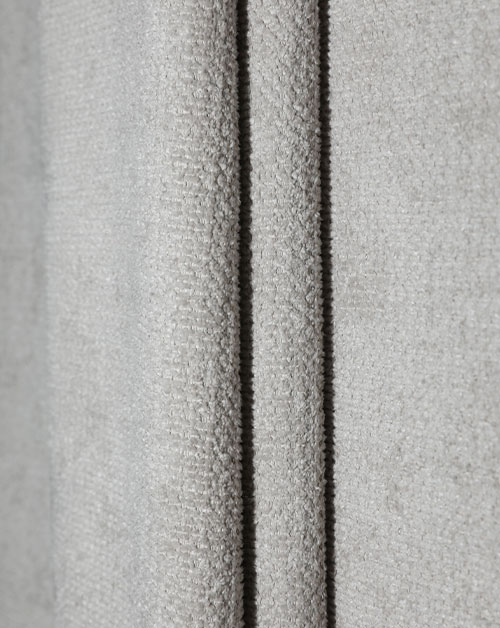
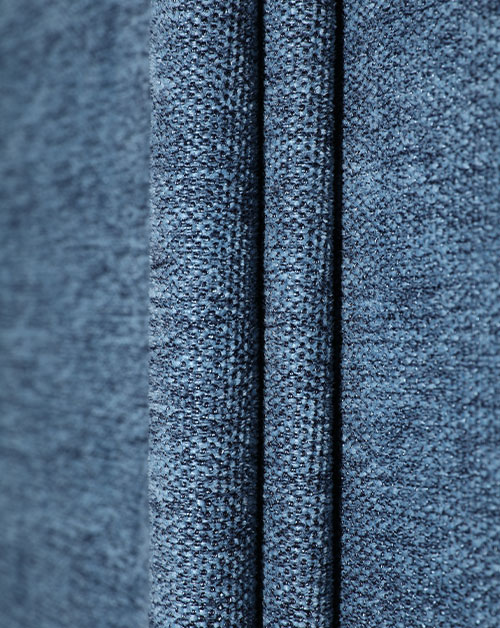
| Chenille | Medium | Moderate |
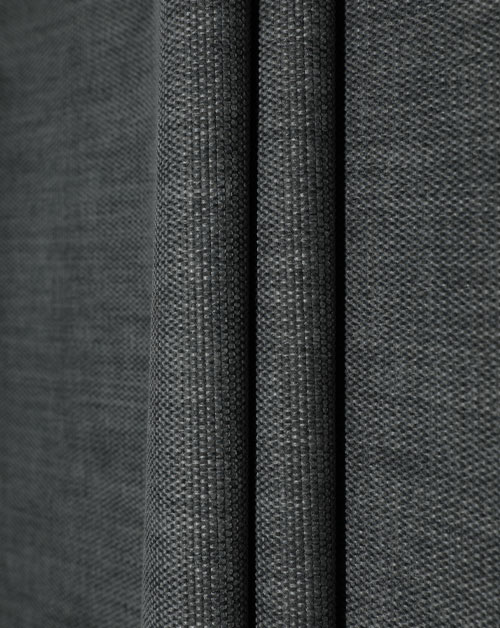
| Tech Cloth (Microfiber) | High | Easy |
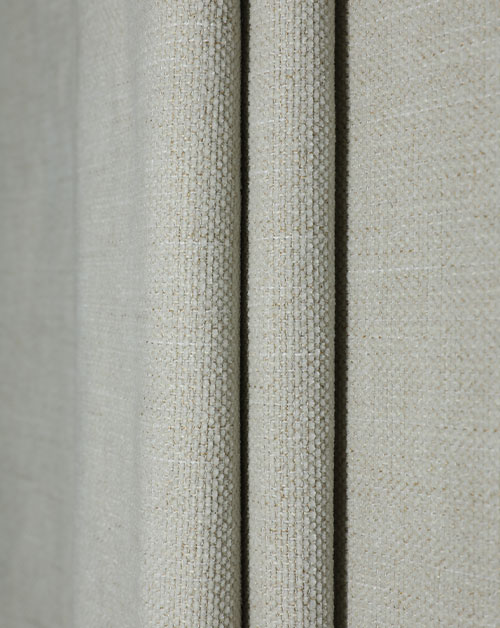
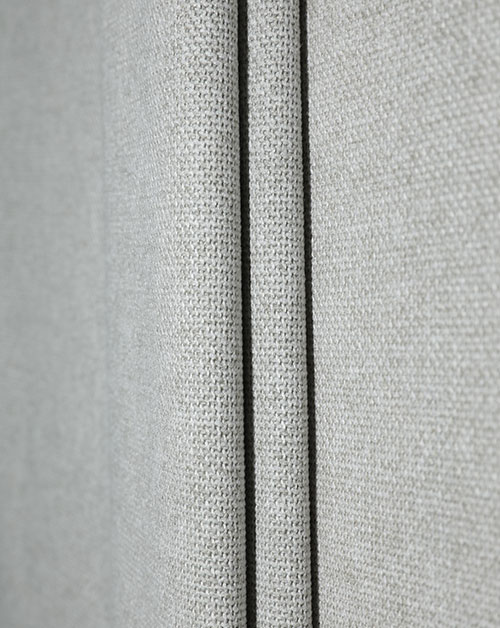
| Linen Blend | Medium | Professional Clean |
| Velvet | High | Moderate |
Tech cloth has surged in popularity due to its exceptional pet-friendly properties and water-resistant nature. Velvet remains a staple for high-end designs, offering a rich sheen that elevates the aesthetic of any living space. Linen blends cater to the growing demand for natural, breathable textures in contemporary homes.
Selecting the Right Wholesale Supplier
Choosing a supplier is the most critical decision in the wholesale process. A reliable supplier acts as an extension of your manufacturing team, providing consistency and innovation.
- Assess production capacity to ensure they can meet your volume requirements without delaying lead times.
- Request relevant certifications, such as OEKO-TEX Standard 100, to guarantee the materials are free from harmful chemicals.
- Evaluate their minimum order quantities (MOQs) to ensure they align with your inventory turnover capabilities.
- Inquire about their capability to produce customized backing materials, such as adding a non-woven backing for enhanced stretch and tear resistance.
Effective Negotiation Strategies
Once a reliable supplier is identified, securing favorable terms is the next step. Negotiation in wholesale fabric purchasing should be viewed as a collaborative effort rather than an adversarial confrontation.
Buyers should focus on establishing tiered pricing structures. As your order volume increases, the per-unit cost should decrease incrementally. Discussing payment terms is also crucial; securing a favorable deposit-to-balance ratio improves cash flow. Furthermore, buyers can negotiate logistics by requesting the supplier to handle freight forwarding, often resulting in lower shipping rates due to the supplier's established relationships. Always ensure all agreed terms, including defect tolerance levels and return policies, are explicitly documented in the contract to prevent future disputes.