English
 中文简体
中文简体 русский
 عربى
عربىBrushing fabric is a popular technique in textile manufacturing that enhances the overall feel and longevity of the fabric. By mechanically brushing the surface of fabrics, it results in a softer, warmer, and more durable material that is highly valued in various clothing types. In this article, we will explore how brushing fabric for softness and comfort works, how it increases durability, and its benefits in specific clothing applications. We will also discuss how to select the best fabric for home textiles and provide insights into proper care and maintenance of brushing fabric.
What is Brushing Fabric?
Brushing fabric refers to a textile finishing process that involves using mechanical brushes to raise fibers on the surface of the fabric. This process results in a soft, fuzzy surface that enhances comfort and warmth. The technique is applied to a variety of materials such as wool, polyester, and cotton to create fabrics ideal for cold weather clothing.
Fabric Types and Common Applications
- Brushed wool: Commonly used for coats and jackets due to its warmth.
- Brushed polyester: Widely used in activewear and winter clothing for its moisture-wicking properties.
- Brushed cotton: Offers a soft feel, often used in loungewear and sleepwear.
How Does Brushing Fabric Enhance Comfort?
Brushing Fabric for Softness and Comfort
The brushing fabric process raises fibers on the surface of the textile, which creates a velvety feel. This process increases the fabric's softness, providing a comfortable touch against the skin. Additionally, it improves thermal insulation, making brushed fabrics ideal for colder weather. Fabrics like brushed wool and brushed cotton are often used in clothing designed for comfort, such as sweaters, scarves, and pajamas.
Benefits of Brushing Fabric for Comfort
- Increased softness: The brushing process creates a plush, smooth surface, providing a softer feel compared to non-brushed fabrics.
- Enhanced warmth: Brushing fabric increases the thickness and volume, trapping air within the fibers for better insulation.
- Skin-friendly: Brushed fabrics tend to be gentler on the skin, making them suitable for individuals with sensitive skin.
Brushing Fabric vs Non-Brushed Fabric: Comfort Comparison
| Feature | Brushing Fabric | Non-Brushed Fabric |
|---|---|---|
| Softness | Much softer and velvety feel | Generally rougher or smoother |
| Warmth | Better insulation, retains heat | Less insulating, cooler to wear |
| Skin Sensitivity | Gentle on sensitive skin | Can cause irritation for sensitive skin |
How Does Brushing Fabric Increase Durability?
How to Make Brushing Fabric Durable
Aside from its comfort-enhancing properties, brushing fabric also contributes significantly to the durability of clothing. By raising the fibers on the surface, it creates a denser structure, which helps resist wear and tear. This increases the fabric's lifespan, making it suitable for garments that undergo regular use or frequent washing.
Benefits of Brushing Fabric for Durability
- Resistance to wear: The brushed surface is more resistant to abrasion and pilling, maintaining the fabric's appearance longer.
- Improved strength: Brushing increases the fiber density, making the fabric stronger and more resilient to tearing.
- Long-lasting color: Brushed fabrics tend to retain their color longer as the brushing process locks in dye more effectively.
Brushing Fabric vs Non-Brushed Fabric: Durability Comparison
| Feature | Brushing Fabric | Non-Brushed Fabric |
|---|---|---|
| Resistance to Pilling | More resistant to pilling and wear | Prone to pilling and faster wear |
| Strength | Stronger and more durable | Less resistant to tearing and damage |
| Color Retention | Maintains color longer | Colors may fade faster |
Benefits of Brushing Fabric for Winter Clothing
Winter clothing requires materials that provide both warmth and comfort. Brushing fabric for winter clothing offers several advantages, particularly in garments such as jackets, coats, and sweaters. The brushing process helps trap air within the fabric, providing better insulation against the cold. Additionally, brushed fabrics feel softer on the skin, which is ideal for wearing multiple layers during colder months.
Winter Clothing Applications
- Coats and jackets: Brushed fabrics help retain body heat while offering a soft, comfortable fit.
- Winter sweaters: Brushed wool sweaters are breathable, comfortable, and provide thermal insulation.
- Scarf and gloves: Soft brushed fabrics keep you cozy without feeling bulky.
Best Brushing Fabric for Home Textiles
Aside from clothing, brushing fabric for home textiles is an excellent choice for bedding, blankets, and other household items. The softness and warmth of brushed fabrics make them ideal for loungewear and comfort-oriented products like blankets and sheets. When choosing brushed fabric for home textiles, it’s essential to consider both the comfort and durability aspects.
Home Textile Applications
- Brushed cotton sheets: Soft and comfortable, perfect for bedding.
- Brushed blankets: Provide warmth while feeling cozy against the skin.
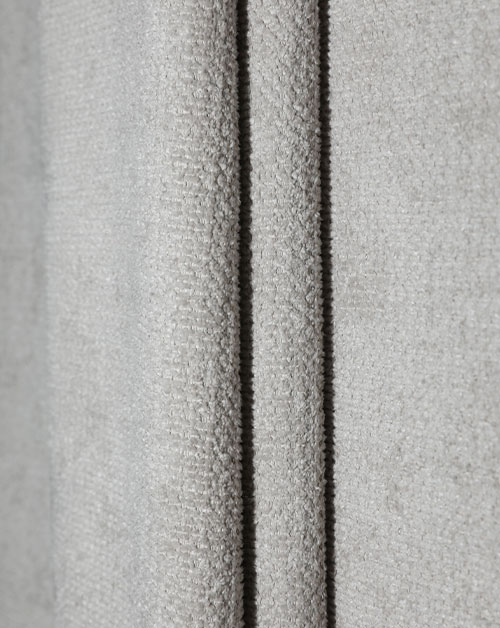
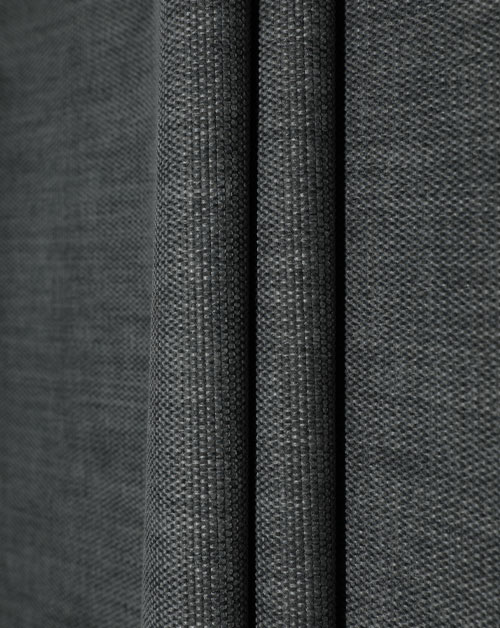
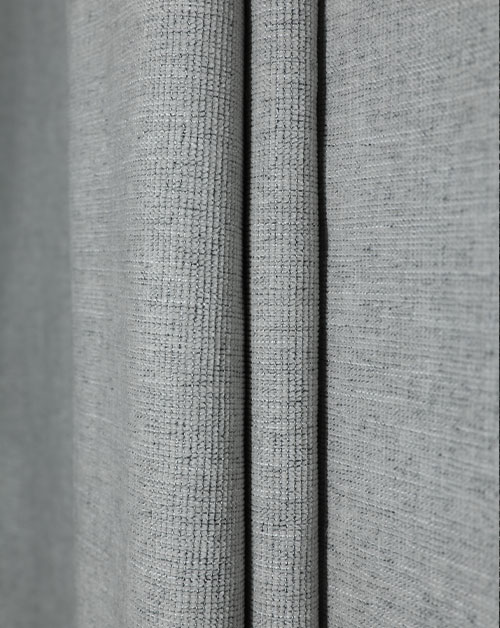
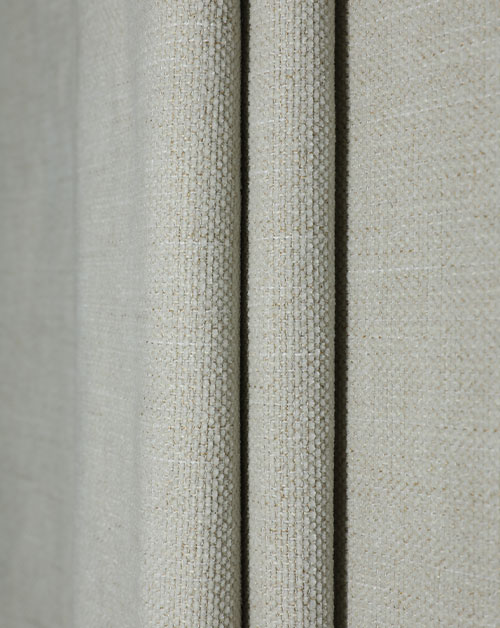
- Brushed curtains: Offer a luxurious look while insulating rooms.
How to Care for Brushing Fabric
Proper Maintenance for Longevity
To maintain the softness and durability of brushing fabric, proper care is essential. Regular washing, using mild detergents, and avoiding high-heat drying are essential practices for preserving its quality. Hand washing is often recommended for delicate brushed fabrics to prevent excessive wear.
Common Issues and Solutions
- Pilling: Use a fabric shaver to remove pilling.
- Fading: Wash in cold water and avoid direct sunlight to prevent fading.
- Loss of softness: Use fabric softener occasionally to restore softness.
Conclusion
Brushing fabric provides a combination of enhanced comfort and increased durability that makes it a favored choice in many textile applications, including winter clothing and home textiles. Its ability to offer warmth, softness, and resistance to wear makes it an ideal material for high-performance garments. By understanding the benefits of brushed fabrics and their maintenance needs, manufacturers can ensure the long-lasting appeal of their products.
FAQ
- What is the difference between brushed and non-brushed fabric?
Brushed fabrics are softer, warmer, and more durable than non-brushed fabrics due to the brushing process that raises fibers on the fabric’s surface. - Can brushed fabric be used for summer clothing?
While brushed fabric is ideal for colder climates, lighter brushed fabrics can be used in summer clothing for a soft feel without too much warmth. - Is brushed fabric better for sensitive skin?
Yes, brushed fabrics tend to be gentler on sensitive skin due to their soft, velvety texture. - How should I care for brushed fabric?
Brushed fabrics should be washed gently, preferably by hand, and dried at low temperatures to preserve their softness and durability. - Can brushed fabric lose its softness over time?
With proper care, brushed fabrics maintain their softness. However, excessive washing or high-heat drying may cause it to lose its plush texture.