English
 中文简体
中文简体 русский
 عربى
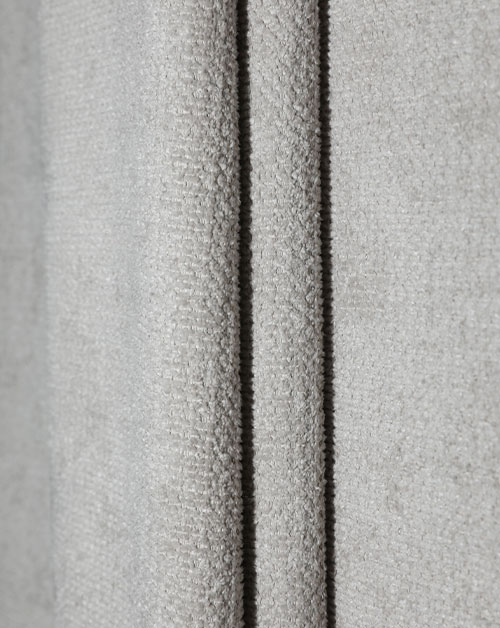
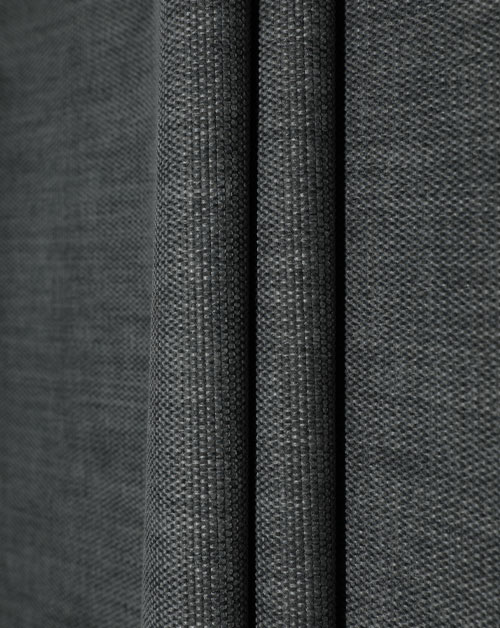
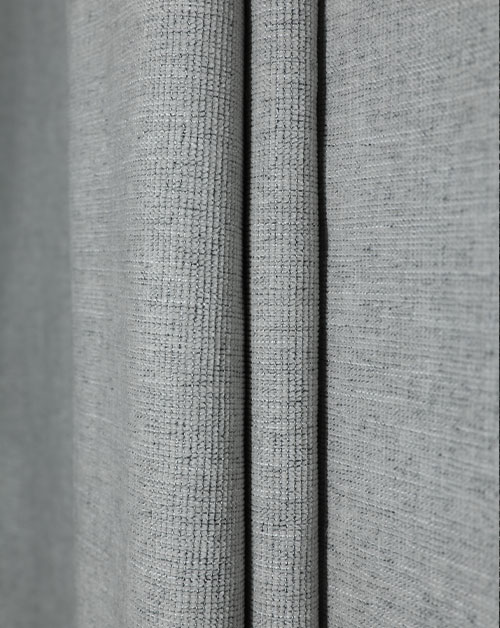
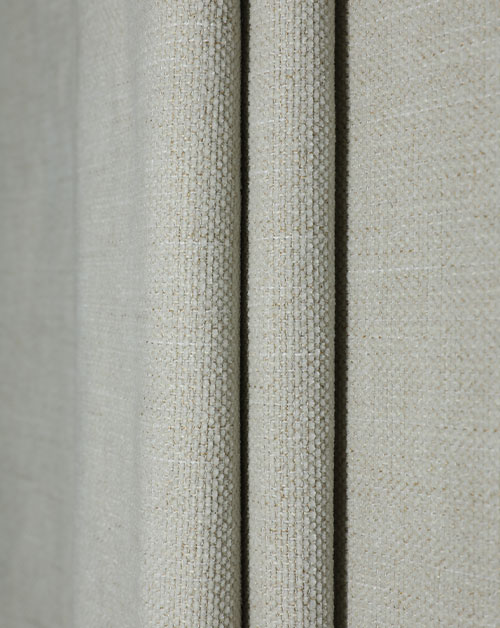
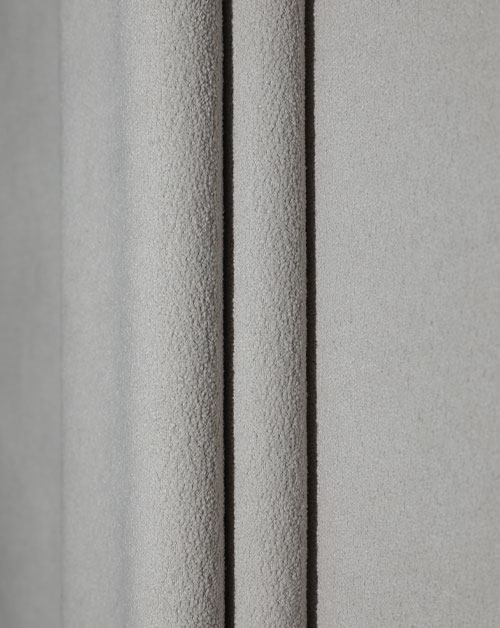
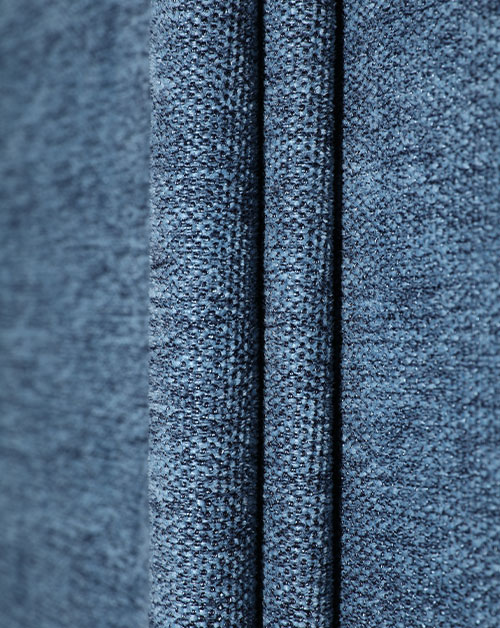
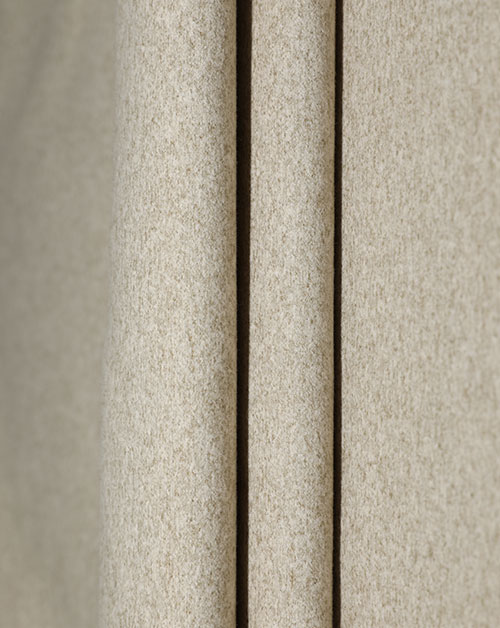
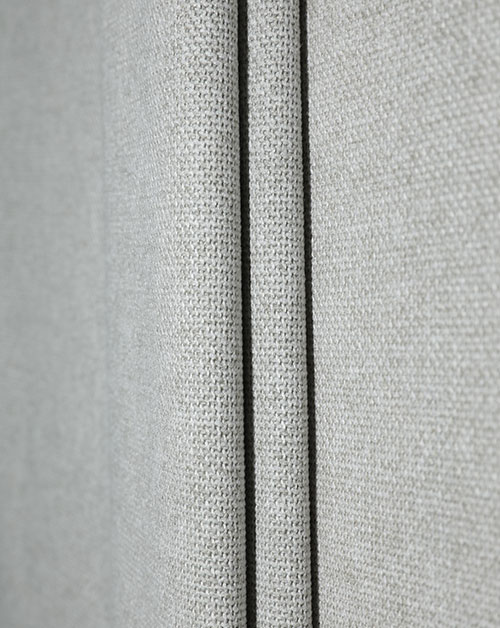
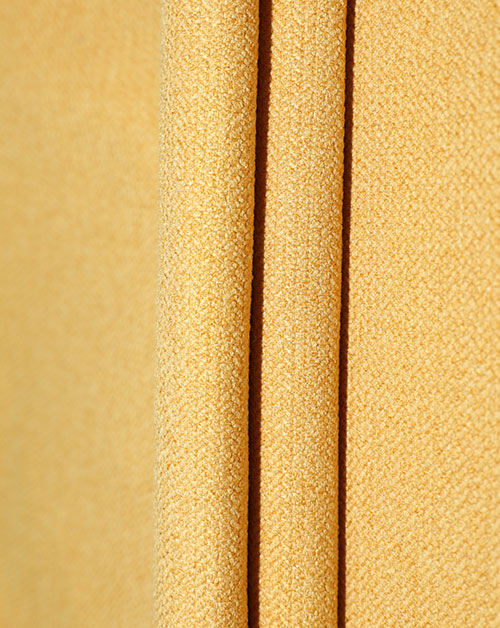
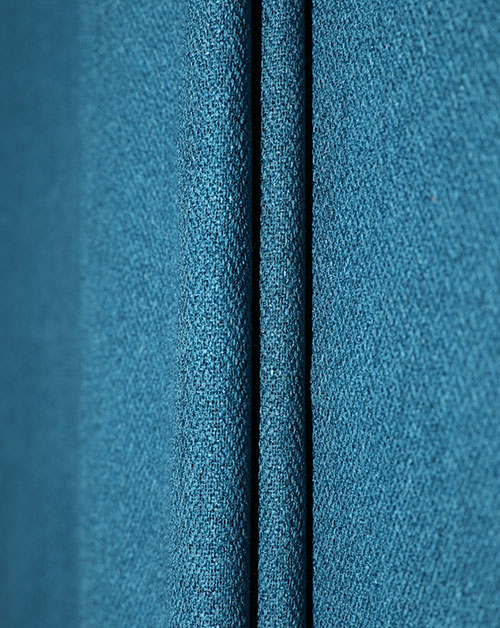
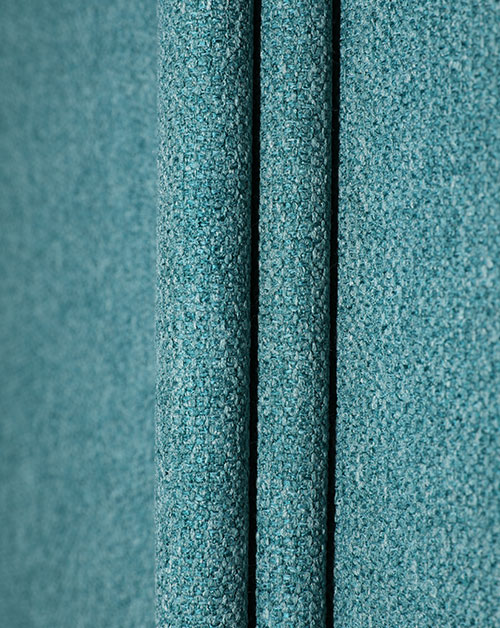
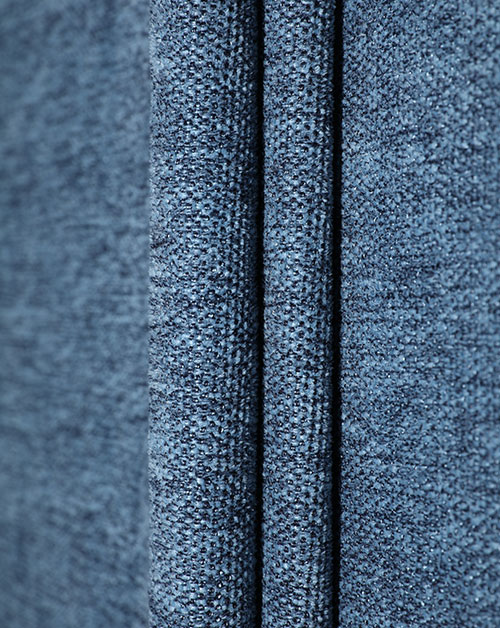
عربىWoven imitation linen fabric is a highly durable, cost-effective, and visually appealing textile alternative that mimics the breathable texture and aesthetic appeal of natural linen. It provides superior wrinkle resistance and significantly easier maintenance compared to its natural counterpart. Because of this balance between elegance and practical resilience, this fabric is extensively utilized across upholstery, fashion, and home decor. It allows designers and consumers to enjoy the rustic, sophisticated look of natural linen without enduring its inherent drawbacks, such as excessive wrinkling, high cost, and demanding care routines.
Understanding the Composition and Manufacturing Process
To appreciate the functionality of woven imitation linen fabric, one must understand how it is constructed. The manufacturing process involves advanced textile engineering designed to replicate the specific slubby texture and matte finish of natural flax fibers.
Primary Materials Used
Imitation linen is rarely made from a single fiber. Instead, it is usually a carefully calculated blend of synthetic and semi-synthetic materials. Polyester is the most common base due to its immense strength and resistance to stretching and shrinking. Viscose or rayon is frequently added to the blend to introduce a soft, breathable quality and a subtle sheen that closely resembles natural cellulose fibers. In some premium variations, a small amount of cotton is integrated to enhance the fabric's moisture-wicking properties.
The Woven Technique
The term "woven" refers to the method by which the yarns are interlaced on a loom. Imitation linen typically employs a plain weave or a basket weave structure. The basket weave, in particular, helps to create a slightly textured, loose appearance that mimics the irregularities of natural linen threads. During the finishing process, the fabric undergoes calendaring and embossing treatments. These mechanical processes press a subtle, linen-like texture into the surface of the synthetic yarns, ensuring that the fabric not only feels like linen but also captures light in the same matte, diffused manner.
Key Advantages Over Natural Linen
While natural linen has been cherished for millennia, woven imitation linen fabric introduces several structural and economic benefits that make it highly competitive in today's market. The advantages are particularly noticeable in high-traffic environments and everyday fashion.
Enhanced Durability and Tensile Strength
Natural linen is strong when dry but weak when wet, and it is prone to breaking down over time with repeated abrasive friction. Imitation linen, heavily reliant on polyester, offers immense tensile strength regardless of moisture levels. This means the fabric resists tearing, fraying, and pilling much better than natural flax. The extended lifespan of imitation linen makes it an ideal material for heavily used furniture and commercial textiles, reducing the frequency of replacement.
Superior Wrinkle Resistance
One of the most common complaints regarding natural linen is its propensity to crease and wrinkle severely after minimal movement or washing. Imitation linen addresses this issue directly. The thermoplastic nature of the synthetic fibers allows the fabric to retain its shape and drape smoothly. Even after being compressed or sat upon, the fabric bounces back to its original state with minimal wrinkling, eliminating the need for constant ironing.
Cost-Effectiveness and Color Retention
The cultivation and processing of flax into natural linen are labor-intensive and require specific climatic conditions, driving up the final cost of the fabric. Conversely, synthetic fibers are mass-produced efficiently, making imitation linen a highly affordable alternative. Furthermore, synthetic fibers absorb dyes differently than natural fibers. Imitation linen exhibits exceptional colorfastness, meaning it resists fading even when exposed to direct sunlight or harsh laundering, making it available in a wider, more vibrant spectrum of colors.
Practical Applications in Modern Design
The unique combination of aesthetic appeal and structural resilience makes woven imitation linen fabric suitable for a broad array of applications. Its versatility allows it to transition seamlessly from indoor home decor to outdoor commercial settings.
Home Decor and Upholstery
In residential interior design, imitation linen is a staple for sofa upholstery, dining chair cushions, and heavy drapery. Because it resists staining and does not absorb liquids as quickly as untreated natural linen, it is highly preferred for households with children or pets. The fabric's ability to hold its shape under tension ensures that upholstered furniture maintains a neat, tailored appearance over years of use.
Hospitality and Commercial Use
Hotels, restaurants, and corporate offices require materials that can withstand rigorous cleaning protocols and heavy daily traffic. Imitation linen meets these commercial demands perfectly. It is frequently used for banquet tablecloths, napkins, and hotel drapery. The fabric's resistance to commercial laundering chemicals and its rapid drying time significantly reduce operational downtime for hospitality businesses.
Fashion and Apparel
In the apparel industry, woven imitation linen is utilized to create lightweight summer garments, structured jackets, and travel clothing. Designers favor it for travel wear because it can be packed tightly into luggage and unpacked with minimal wrinkling. It provides the breezy, ventilated feel required for warm-weather clothing while maintaining a crisp, professional silhouette.
Care and Maintenance Guide
Proper maintenance is essential to maximizing the lifespan of any textile. While woven imitation linen is forgiving and easy to care for, following specific guidelines will ensure it remains looking pristine for years.
Routine Cleaning Procedures
- Regularly vacuum upholstered items using an upholstery attachment to remove loose dust and prevent dirt from embedding into the woven texture.
- For apparel, machine washing in cold or warm water is generally safe. Use a gentle cycle to prevent unnecessary stress on the fibers.
- Avoid using high heat during the drying process. Tumble dry on a low setting or hang the fabric to air dry naturally to prevent thermal damage to the synthetic components.
Stain Removal Techniques
When spills occur, prompt action is the most effective defense. Blot the affected area immediately with a clean, dry cloth to absorb excess liquid. Avoid rubbing the stain, as this can push the substance deeper into the weave. For stubborn stains, a mild solution of water and dish soap can be applied gently. Because imitation linen is synthetic, it is less likely to experience water rings compared to natural fibers. Always test any cleaning solvent on an inconspicuous area first to ensure colorfastness.
Comparative Analysis: Natural vs. Imitation Linen
Understanding the distinct differences between natural and imitation linen is crucial for selecting the right material for a specific project. The following table highlights the core comparative attributes to guide purchasing decisions.
| Attribute | Natural Linen | Woven Imitation Linen |
|---|---|---|
| Breathability | Exceptional | Moderate to Good |
| Wrinkle Resistance | Poor | Excellent |
| Cost | High | Affordable |
| Maintenance | High (requires ironing) | Low (easy care) |
| Durability | Good (weak when wet) | Very High (consistently strong) |
In summary, woven imitation linen fabric is not merely a cheap substitute; it is a purposefully engineered textile designed to solve the practical limitations of natural flax. By combining the visual charm of traditional linen with the robust, low-maintenance properties of modern synthetic fibers, it provides an optimal solution for designers, homeowners, and commercial enterprises alike.