English
 中文简体
中文简体 русский
 عربى
عربىCut pile fabric is a unique and high-quality textile, and its exquisite appearance and excellent feel have made it a popular choice in the fashion and home furnishings industries. Whether in clothing, home textiles, or other fields, cut pile fabric is favored by consumers for its soft touch, good breathability, and high comfort.
Characteristics and Advantages of Cut Pile Fabric
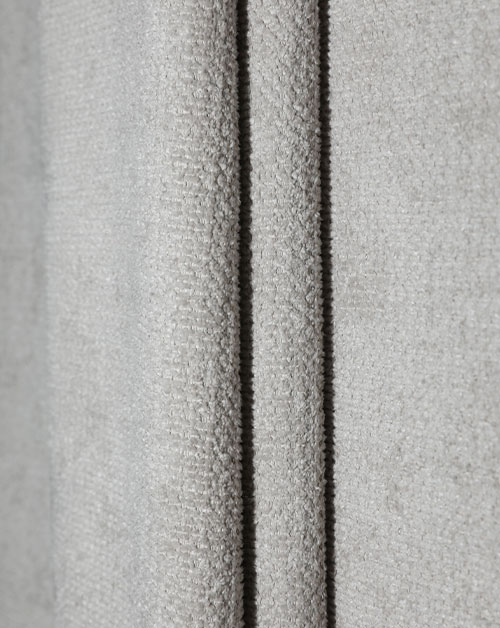
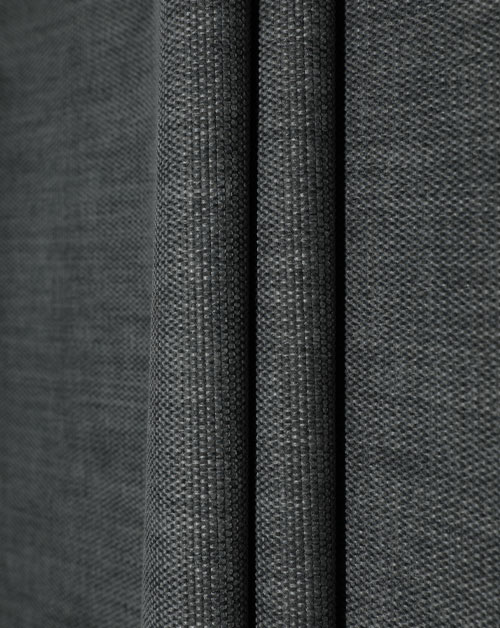
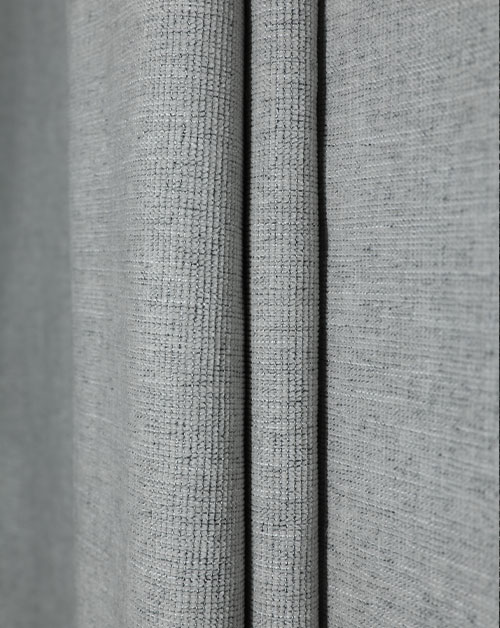
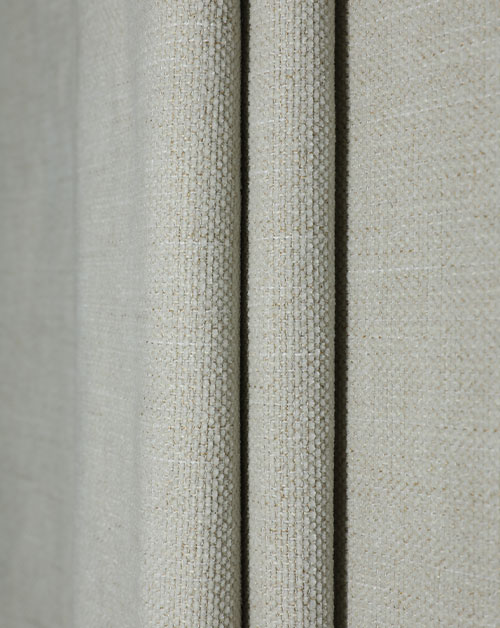
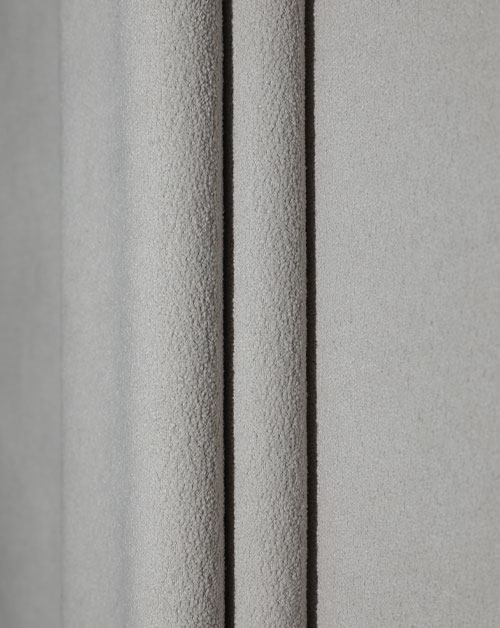
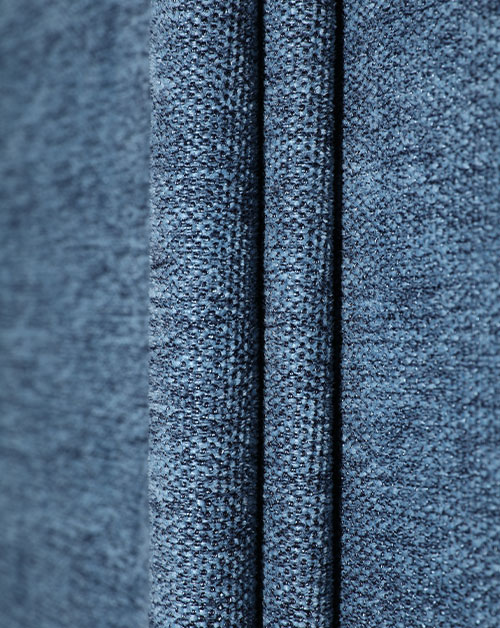
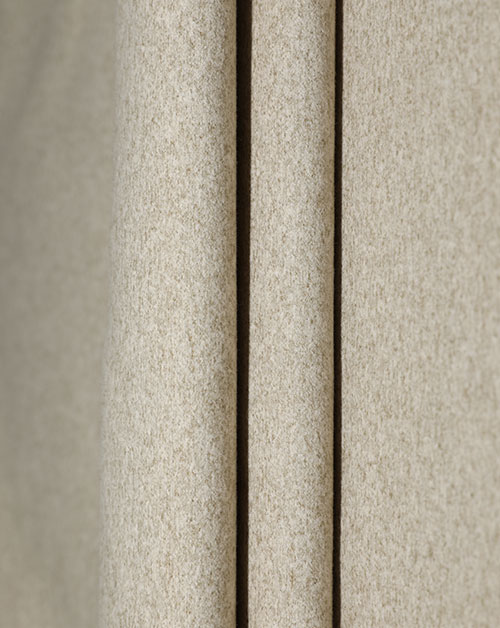
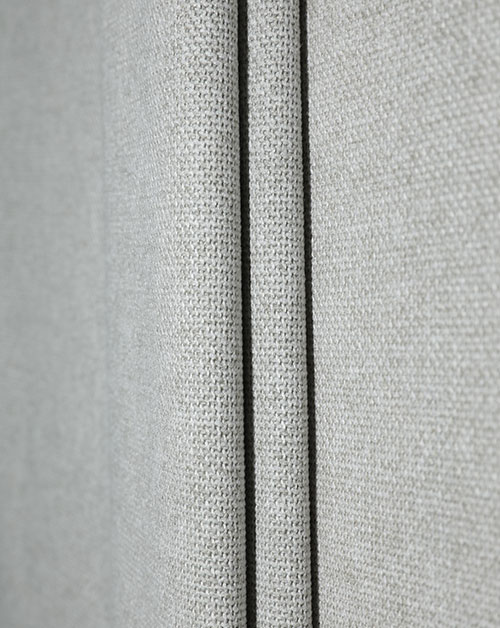
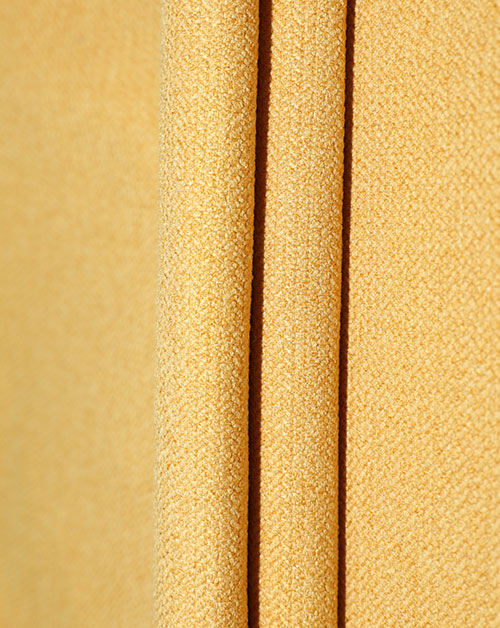
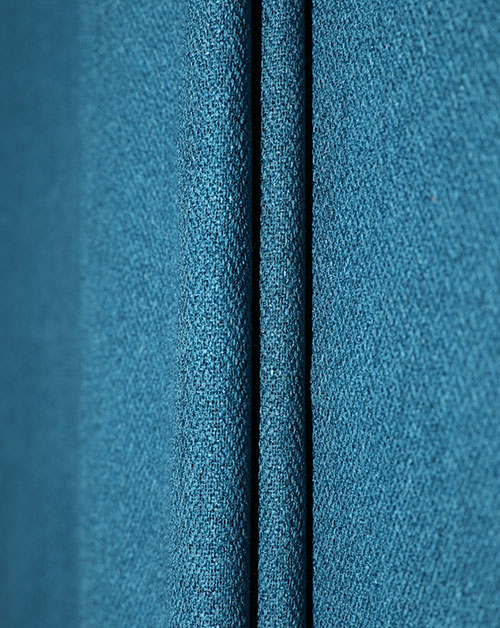
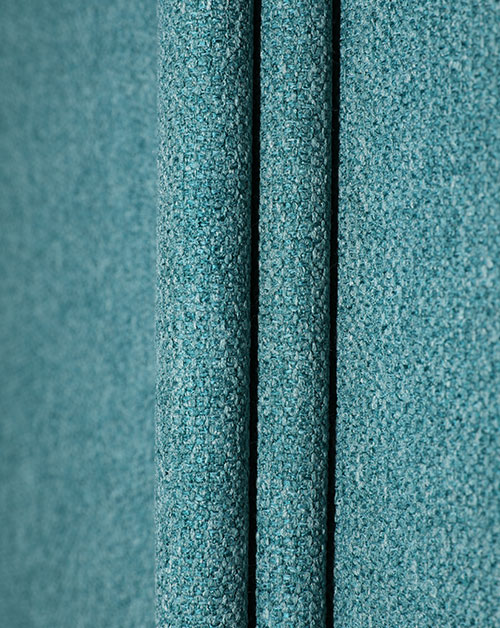
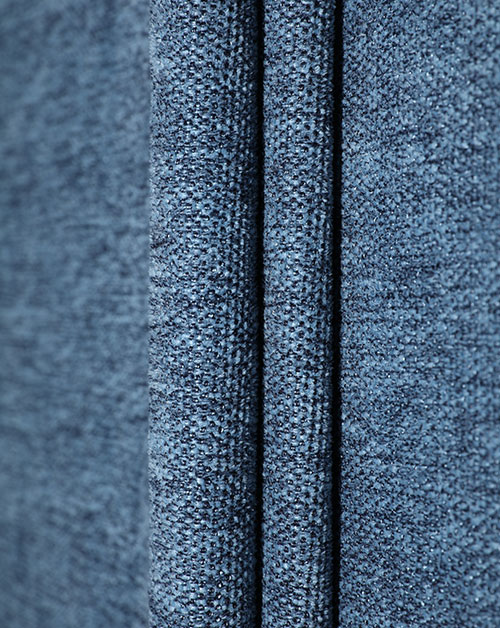
Cut pile fabric is created through a special process that cuts the fibers into short or long piles, resulting in a fabric with a velvety effect. Because the cutting process gives the fabric surface a rich, plush feel, it has more depth and a finer texture than ordinary plain weave fabrics. The greatest characteristic of this fabric is its softness and comfort; it has a silky feel to the touch, making it an ideal material for autumn and winter seasons.
Cut pile fabric has excellent thermal insulation properties. Due to the fluffy structure of the pile, it effectively traps air, forming an insulating layer that prevents body heat loss, making it especially suitable for making clothing for autumn and winter. Secondly, cut pile fabric also has excellent breathability. Although its pile layer provides good warmth, it still maintains good breathability, preventing dampness or discomfort caused by wearing non-breathable fabrics.
Cut pile fabric is also very durable. With advancements in technology, modern cut pile processes enhance the durability of the fabric while maintaining its softness and comfort. It is not prone to fading or deformation and retains its good appearance and performance even after long-term use.
Manufacturing Process of Cut Pile Fabric
The manufacturing process of cut pile fabric is relatively complex, involving multiple steps. First, suitable raw materials must be selected, generally consisting of high-quality cotton, wool, polyester, or other synthetic fibers. The choice of materials directly affects the texture, comfort, and durability of the final fabric.
Next, the weaving process takes place. During weaving, the selected yarns are woven according to the desired fabric characteristics. This stage requires very precise craftsmanship, using high-precision equipment to ensure the density and texture of the fabric. The fabric surface after weaving is relatively smooth but lacks the unique plush effect required for cut pile fabric.
The cutting process is the key step in manufacturing cut pile fabric. In this stage, the fabric surface undergoes a special mechanical napping process, where the originally smooth fibers are cut into fine fluff. Different napping methods produce different effects; the length, density, and direction of the nap all influence the final texture and visual effect. The napped fabric then undergoes further finishing, including removing excess fibers and cleaning off lint, to ensure a smooth and impurity-free surface.
Finally, the fabric is dyed and finished to ensure even and long-lasting color. In addition, napped fabrics may require anti-static treatment to reduce static electricity and improve wearing comfort.
Applications of Napped Fabrics in the Apparel Industry
Due to its unique softness and warmth, napped fabric is widely used in various types of clothing, especially in the autumn and winter seasons. Whether it's coats, sweaters, shawls, or accessories such as scarves and gloves, napped fabric provides an excellent comfort experience. Its fluffy layer effectively blocks cold wind, providing strong insulation, while remaining lightweight and soft, without feeling heavy or restrictive.
Especially in the high-end fashion industry, napped fabric, with its unique appearance and exquisite craftsmanship, has become the material of choice for many luxury brands. Whether in custom-made coats, fur jackets, or special occasion dresses, napped fabric can showcase a luxurious and elegant style, making it highly favored by high-end consumers.
Applications of Napped Fabrics in Home Furnishings
Besides the apparel industry, napped fabric is also widely used in home furnishings, especially in sofa covers, bedding, curtains, and decorative items such as cushions and carpets. The softness and warmth of napped fabric bring comfort and coziness to the living environment, enhancing the quality of home life.
Using napped fabric in sofa covers and bedding increases the tactile comfort of the products, allowing users to enjoy the ultimate relaxation experience while resting. On larger home furnishings such as carpets and curtains, the fluffy texture of napped fabric adds a warm and luxurious atmosphere to the living space.
How to Choose High-Quality Napped Fabric?
When choosing high-quality napped fabric, several key factors need to be considered. First is the feel of the fabric. Good cut pile fabric should feel soft to the touch, with evenly distributed and non-shedding fibers. If the fabric feels rough or the fibers are uneven, it may indicate poor workmanship or inferior raw materials.
Pay attention to the durability of the fabric. Although cut pile fabric is soft, improper material selection may lead to shedding or pilling. Therefore, when purchasing, choose high-quality cut pile fabric that has undergone multiple tests and treatments to ensure its stability after long-term use.
Color and pattern are also factors to consider when choosing cut pile fabric. High-quality cut pile fabric is evenly dyed and has strong colorfastness, making it less prone to fading. Designers can choose appropriate colors and patterns according to specific needs to match the overall style of home decor or clothing.
FAQ
1. What is the difference between cut pile fabric and ordinary velvet fabric?
Cut pile fabric uses a special mechanical cutting process to cut the fibers into fine fluff, resulting in a more fluffy and soft surface. Ordinary velvet fabric is generally formed through weaving, brushing, etc., and differs slightly in feel and appearance.
2. Does cut pile fabric shed easily?
High-quality cut pile fabric undergoes fine processing and usually does not shed easily. However, during long-term use, especially in areas with high friction, a small amount of shedding may still occur.
3. How to clean cut pile fabric?
When cleaning cut pile fabric, avoid using excessively hot water; it is best to choose a gentle hand washing method. Use a special fabric softener to avoid excessive friction and reduce damage.
4. Is cut pile fabric suitable for summer wear?
Due to its strong warmth retention, cut pile fabric is generally more suitable for autumn and winter wear. It may feel too stuffy in summer, so it is not recommended to wear it in hot weather.
5. What are the maintenance methods for cut pile fabric?
To extend the lifespan of cut pile fabric, avoid prolonged exposure to sunlight to prevent fading; also, keep it dry during storage and avoid friction with sharp objects.