English
 中文简体
中文简体 русский
 عربى
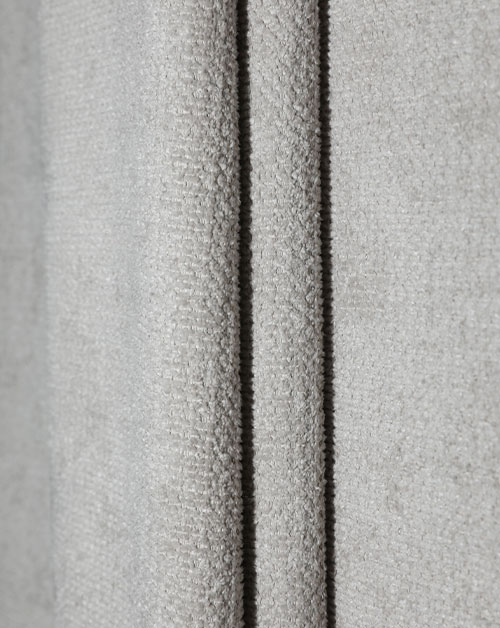
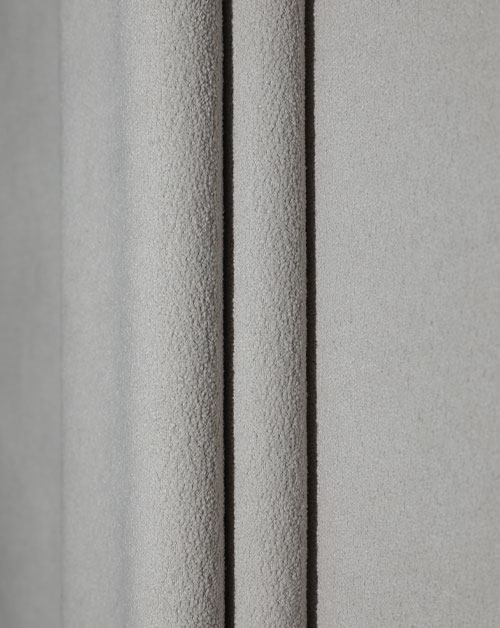
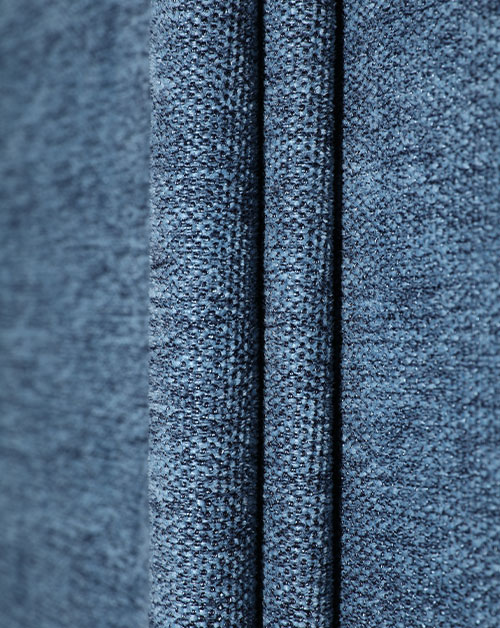
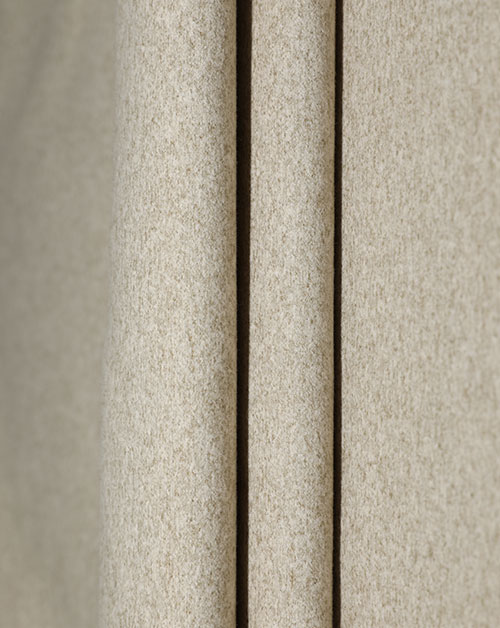
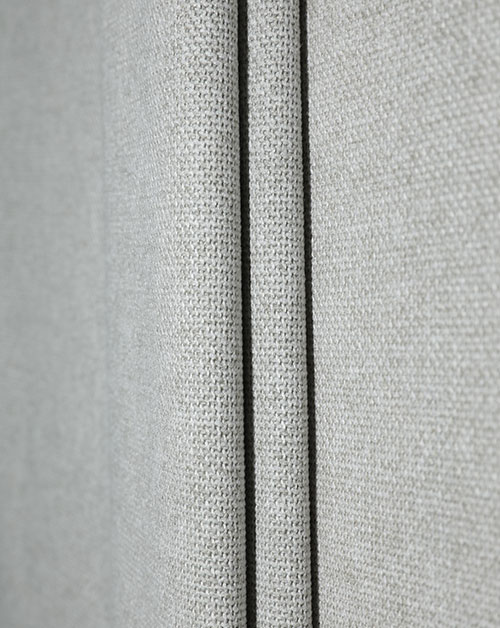
عربىCut-pile fabric is characterized by upright yarn ends that are evenly sheared to create a smooth, dense, and velvety surface. Unlike fabrics in which the loops are left intact, this textile's manufacturing process involves slicing through the woven or tufted loops. This precise cutting action releases the tension within the yarn, allowing the individual fibers to bloom and stand perpendicular to the backing material. The result is a textile that offers a completely different tactile experience compared to its looped counterparts. The exposed fiber tips are what provide the characteristic softness, making it a preferred choice for applications where human contact is frequent and prolonged.
The primary distinction lies in the surface geometry. When loops are cut, the fabric loses the structured, textured ridges of loop pile materials and gains a uniform, continuous plane of fiber ends. This structural shift does more than just change the feel of the fabric; it fundamentally alters how the fabric interacts with light, how it wears over time, and how it responds to compression. Because the fibers are free to move in multiple directions, cut pile can exhibit a characteristic "shading" or "watermarking" effect when the nap is brushed in different directions. This is not a defect, but rather an inherent property of the cut pile structure that speaks to its luxurious depth and dimension.
How Cut Pile Is Manufactured
The creation of cut pile fabric is a multi-step process that requires precision machinery and careful material selection. It generally begins with the formation of loops, which are subsequently severed to create the desired pile height and density. There are two primary methods used in the industry to achieve this effect, each offering distinct advantages depending on the end use of the textile.
Weaving and Tufting Techniques
In the weaving method, supplementary yarns are woven over thin wires that are inserted across the width of the loom. The shape of the wire dictates the height of the pile. At the end of each pass, the wire features a tiny blade that cuts the yarn as it is withdrawn, leaving behind a row of perfectly cut upright tufts. This method is highly precise and allows for intricate patterns, but it is relatively slow.
The tufting method, which dominates the production of cut pile fabrics for broad applications, operates similarly to a giant sewing machine. Hundreds of needles punch yarn through a primary backing material to form loops. For cut pile production, a set of looper knives rides alongside each needle. As the needle pushes the yarn down, the looper catches it, and a cutting blade slices the loop exactly at the point where it exits the backing. Tufting machines can operate at remarkable speeds, producing hundreds of yards of cut pile fabric per hour. After tufting, a secondary backing is usually applied with an adhesive to lock the yarns firmly in place.
The Finishing Process
Once the yarn is cut, the fabric looks uneven and wild. The finishing process is what transforms it into a refined product. This involves shearing, a process where the fabric passes under rotating spiral blades that cut the pile to a perfectly uniform height. Following shearing, the fabric often undergoes brushing and heat setting. Heat setting uses steam or dry heat to lock the crimp into the yarn fibers, ensuring that the cut pile springs back upright after being compressed. This step is crucial for maximizing the durability and resilience of the final fabric.
Key Characteristics and Performance
The decision to specify cut pile fabric over other textile structures is usually driven by a specific set of performance characteristics. The act of cutting the loops alters the physical properties of the textile in ways that are highly beneficial for certain environments, though they do introduce specific maintenance considerations.
Softness and Tactile Comfort
The most immediately noticeable attribute is the exceptional softness. Because the yarn ends are cut, there are no hard loop edges to catch on skin or clothing. The fibers splay out slightly at the tips, creating a fuzzy, smooth surface that feels gentle against the skin. This makes cut pile the undisputed choice for luxury upholstery, high-end automotive interiors, and plush blankets where comfort is the primary objective.
Durability and Resilience
While loop pile fabrics resist wear by distributing friction across the continuous curve of the loop, cut pile relies on the inherent strength and twist of the individual yarn fibers. A tightly twisted yarn with a high level of heat-set resilience will perform exceptionally well in cut pile form, often lasting for many years under heavy foot traffic. However, if the yarn is loosely twisted or overly soft, the cut tips will fray and mat down quickly under compression. Therefore, the durability of a cut pile fabric is directly proportional to the quality of the yarn used in its construction.
Acoustic and Thermal Insulation
The dense, upright forest of fibers traps a significant amount of air. This trapped air acts as an excellent insulator, both against temperature transfer and sound transmission. Cut pile fabrics are frequently used in commercial spaces like theaters, libraries, and executive offices to dampen ambient noise and create a quiet, controlled acoustic environment. The thermal insulation properties also contribute to a feeling of warmth in interior spaces, reducing the perception of cold floors or seating surfaces.
Common Variations of Cut Pile Fabric
Not all cut pile fabrics are created equal. By altering the yarn type, the density of the tufts, and the height of the pile, manufacturers can create a wide spectrum of textiles that look and perform very differently. Understanding these variations is essential for selecting the right fabric for a given application.
| Variation | Pile Height | Surface Texture | Ideal Application |
|---|---|---|---|
| Velvet / Plush | Short | Extremely smooth, uniform | Upholstery, formal garments |
| Saxony | Medium | Smooth, shows footprints | Low-traffic residential floors |
| Frieze | Long | Tightly curled, textured | High-traffic areas, hallways |
| Cable | Very Long | Thick, bulky yarns | Casual living spaces |
Shorter pile heights, such as those found in velvet, offer a very formal, sleek appearance and are highly resistant to crushing, making them suitable for commercial seating. Longer pile heights, like those in cable fabrics, offer a more casual, relaxed aesthetic and a highly cushioned feel, but they require more maintenance to prevent matting. Frieze stands out as a unique variation where the tightly twisted yarns curl back on themselves, creating a highly textured surface that hides dirt and footprints exceptionally well, making it a workhorse in busy environments.
Practical Applications Across Industries
The versatility of cut pile fabric allows it to cross boundaries between interior design, fashion, and industrial applications. Its unique blend of comfort, aesthetics, and performance makes it a material that engineers and designers frequently specify.
Interior Furnishings and Floor Coverings
In residential and commercial interiors, cut pile is perhaps most widely recognized as a floor covering. It accounts for a massive portion of the broadloom carpet market due to its inviting look and feel. Beyond flooring, it is heavily utilized in upholstery. Furniture makers rely on cut pile to give sofas and accent chairs a luxurious, tactile quality that draws people in. The ability of the fabric to absorb light also helps to make large, echoing rooms feel smaller, warmer, and more intimate.
Automotive Interiors
The automotive industry consumes vast quantities of cut pile fabric, primarily for seat covers, door panels, and headliners. In this context, the fabric must meet stringent standards for abrasion resistance, UV stability, and flame retardancy. Automotive-grade cut pile is engineered to withstand years of friction from passengers entering and exiting the vehicle without showing excessive wear. The dense pile also helps to dampen road noise, contributing to a quieter cabin experience, which is a key selling point for modern vehicles.
Apparel and Fashion Accessories
While heavier cut piles are used for interiors, finer versions are staple materials in the fashion industry. Velvet, a quintessential cut pile fabric, is used for evening wear, blazers, and luxury accessories. The way cut pile fabric catches and reflects light gives garments a rich, dimensional appearance that flat woven fabrics simply cannot replicate. The drape of the fabric is also enhanced by the weight and structure of the cut pile, allowing it to hang elegantly on the body.
Essential Maintenance and Care Guidelines
Maintaining cut pile fabric requires a specific approach that differs from flat weaves or looped textiles. The open fiber ends are prone to trapping dust and debris, and the upright nature of the pile means it can be crushed or distorted if not handled correctly. Implementing a proactive care routine is the best way to protect the investment made in a cut pile textile.
Daily and Weekly Care
The most important tool for maintaining cut pile, particularly in floor coverings, is a vacuum cleaner equipped with a beater bar or rotating brush. This agitation is necessary to lift the fibers, pull out embedded dirt, and prevent the pile from matting down. However, for delicate upholstery cut pile, a beater bar may be too aggressive, and an upholstery attachment without spinning brushes should be used instead. Regular vacuuming can remove the vast majority of dry soil before it has a chance to act like sandpaper on the cut fiber tips.
Addressing Spills and Stains
When a spill occurs on cut pile fabric, time is of the essence. The liquid can quickly wick down the cut yarn shafts and into the backing, making the stain difficult to remove. The recommended approach involves immediately blotting the area with a clean, white absorbent cloth to pull the liquid up and out of the fibers. Rubbing should be strictly avoided, as this will twist the cut fibers, cause irreversible distortion, and push the stain deeper. A mild detergent solution applied sparingly to the cloth, rather than directly to the fabric, is usually sufficient for most water-based spills.
Managing Pile Crush and Shading
Over time, heavy furniture or constant foot traffic will compress the upright fibers, a condition known as pile crush. To mitigate this, furniture coasters should be used to distribute weight more evenly. In cases where pile crush has already occurred, introducing steam to the affected area can help. The moisture and heat allow the heat-set memory within the yarn to reactivate, causing the fibers to swell and stand back up. After steaming, gently brushing the pile in a single direction with a soft-bristled tool can help restore its uniform appearance and temporarily correct the shading effect.
Selecting the Right Cut Pile for Your Project
Choosing the appropriate cut pile fabric requires balancing aesthetic desires with practical performance requirements. A fabric that looks perfect in a showroom may fail miserably in a high-traffic environment if the wrong yarn type or pile height was selected. Evaluating a few critical factors before making a selection can prevent costly mistakes.
- Assess the traffic level: High-traffic zones demand densely packed, low-profile cut piles made from highly twisted, solution-dyed nylon or wool. Low-traffic areas can comfortably accommodate softer, taller piles like Saxony or plush.
- Evaluate yarn fiber content: Nylon offers exceptional resilience and stain resistance. Wool provides natural soil-hiding properties and inherent flame resistance, but it can be more susceptible to fading and staining without proper treatments. Polyester offers excellent color clarity and softness but may crush more easily under heavy weight.
- Consider the backing material: A sturdy, high-density primary and secondary backing system is crucial for dimensional stability. Weak backings will allow the cut pile to shift and wrinkle over time, leading to premature wear and installation failures.
- Factor in color and pattern: Light-colored cut pile fabrics will show soil and shading much more readily than darker, heavily textured options. In commercial spaces, medium-toned, speckled yarns are often preferred for their ability to hide daily wear and tear.
By carefully weighing these elements, specifiers can ensure that the chosen cut pile fabric will not only meet the visual intent of the design but also provide long-term satisfaction and performance. The goal is to match the specific capabilities of the textile to the demands of the environment in which it will live.