English
 中文简体
中文简体 русский
 عربى
عربىCurtains are not only functional elements of the home but also an important part of interior design. High-quality curtain fabrics can provide comfortable light regulation while enhancing the overall aesthetics. When choosing curtain fabrics, designers and consumers not only focus on their appearance but also pay attention to the material, feel, and how it matches the overall space. Different fabric characteristics determine the drape, light transmission, and durability of curtains, which directly affect their lifespan and the living experience.
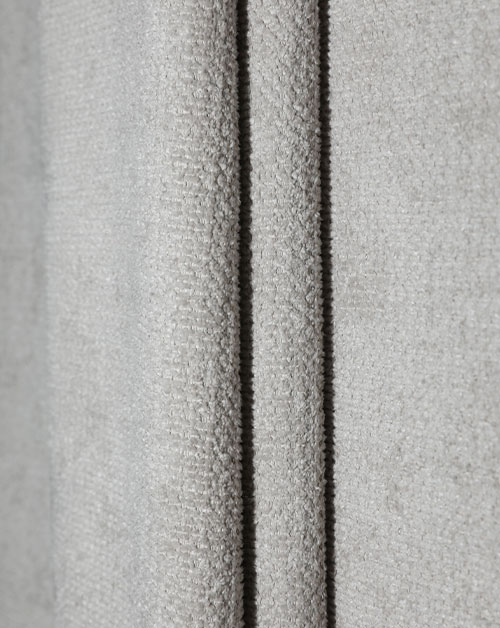
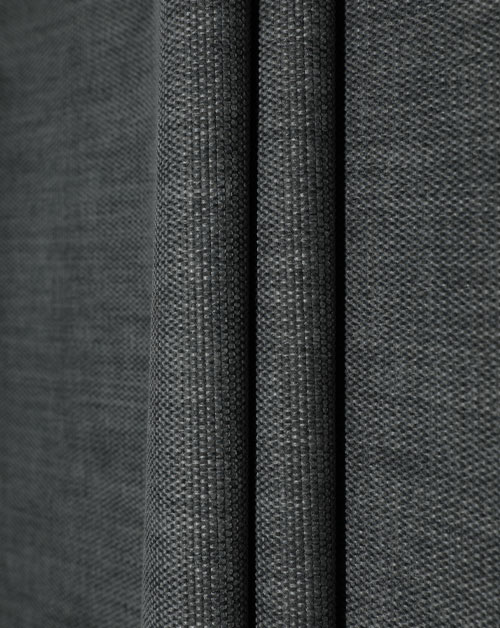
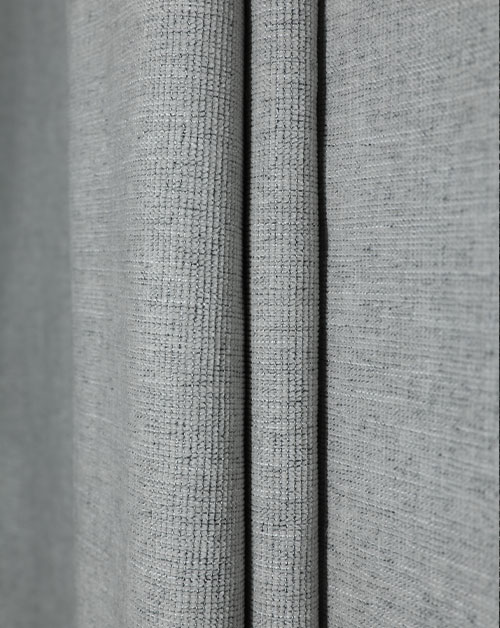
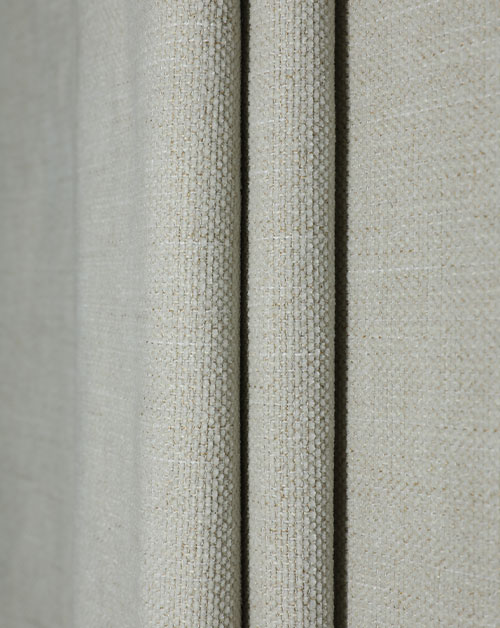
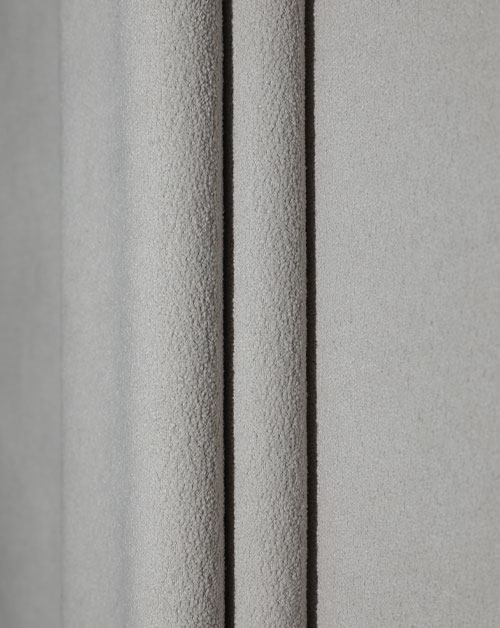
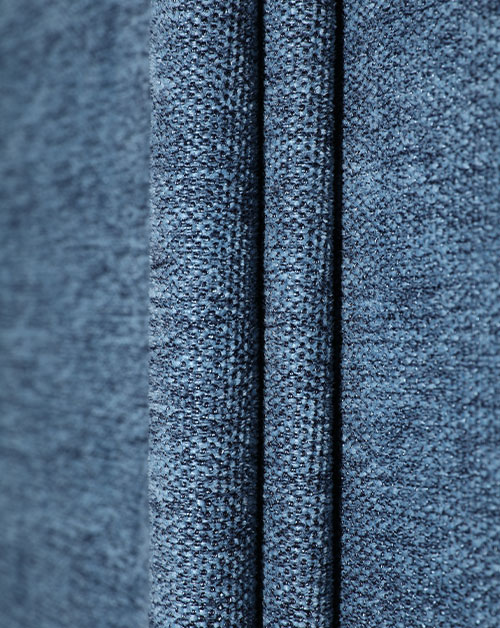
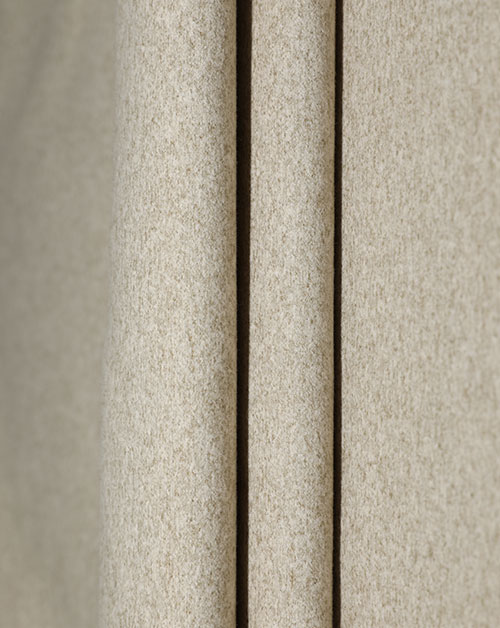
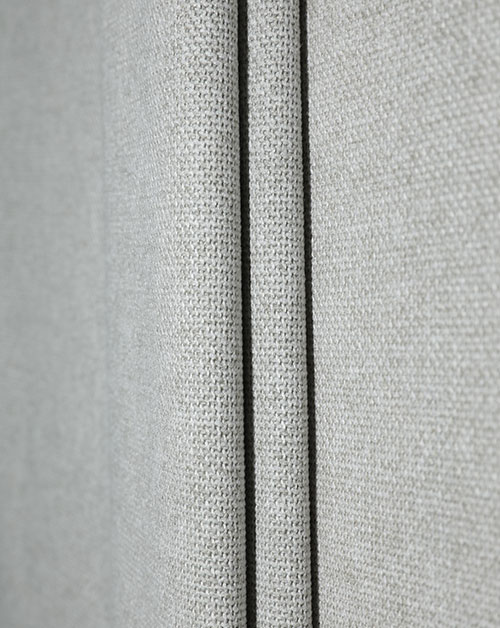
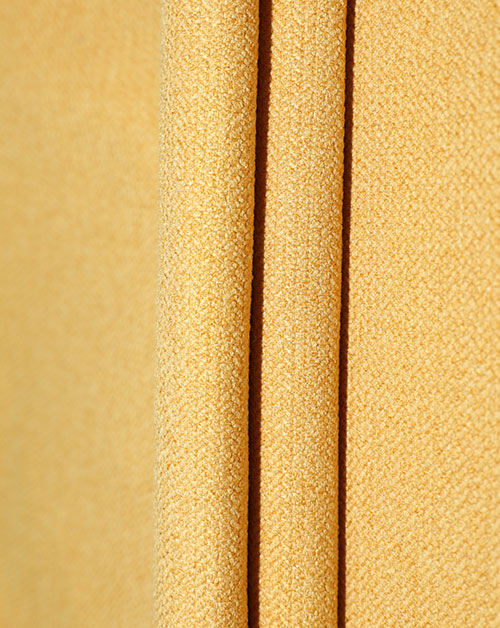
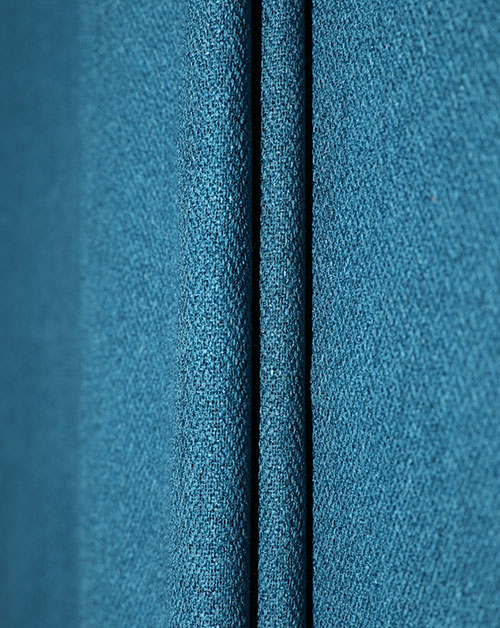
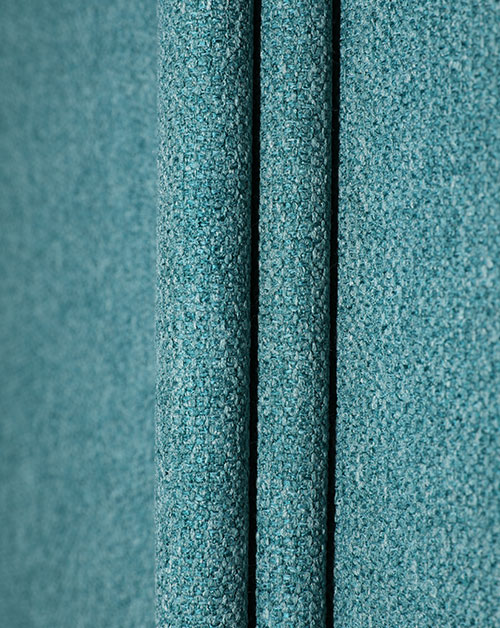
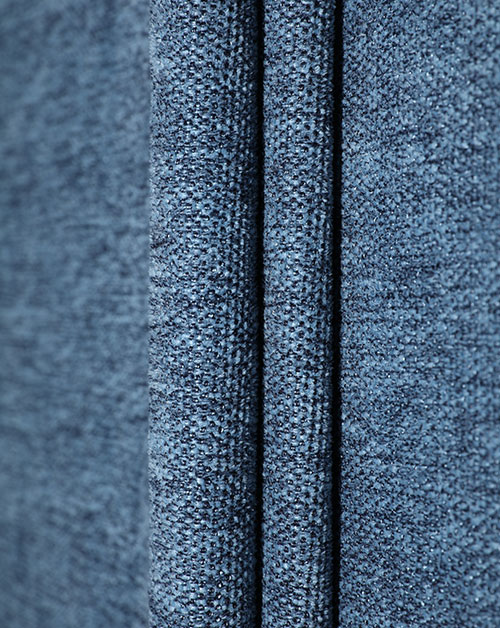
The texture of curtain fabrics is an important manifestation of their aesthetic value. Luster, the fineness of the weave, and the softness of the touch all affect people's perception of the atmosphere of a space. For example, high-density fabrics usually have better drape, while lightweight sheer fabrics can create a soft, translucent light. In modern home design, the selection of curtain fabrics not only considers functionality but also emphasizes the harmony of colors and materials with furniture, walls, and carpets, creating a harmonious and unified visual effect.
Performance Analysis of Different Curtain Fabric Materials
Curtain fabrics come in a wide variety of materials, including two main categories: natural fibers and synthetic fibers. Natural fiber fabrics are widely favored for their comfort, breathability, and eco-friendliness. Cotton curtains are soft and textured, effectively absorbing indoor light and creating a warm atmosphere. Linen fabrics are known for their unique natural texture and breathability, suitable for creating a natural and fresh living environment. Silk fabrics are lustrous and textured, but are more sensitive to light and humidity, requiring careful maintenance.
Synthetic fiber fabrics, on the other hand, are a common choice for modern homes due to their durability and ease of cleaning. Polyester, nylon, and blended fabrics not only have good wrinkle resistance and abrasion resistance, but can also present rich textures through different processes. Synthetic fiber fabrics can also achieve light-blocking, waterproof, or heat-insulating functions through coating treatments, making curtains more versatile in terms of functionality. This diversity of materials allows curtain fabrics to meet the needs of different spaces, from family bedrooms to commercial office environments.
The Functionality and Comfort of Curtain Fabrics
Curtain fabrics not only serve an aesthetic purpose but also have important functionalities. Light regulation is one of the most basic functions of curtains. Different materials and weaves of fabric affect light transmission, from sheer, translucent curtains to heavy, blackout drapes, allowing for adjustments to indoor brightness according to spatial needs. Thermal insulation is also a crucial indicator of curtain fabric quality. High-density fabrics effectively block outdoor heat from entering the room while minimizing the loss of cool air, providing comfortable temperature control for the living environment.
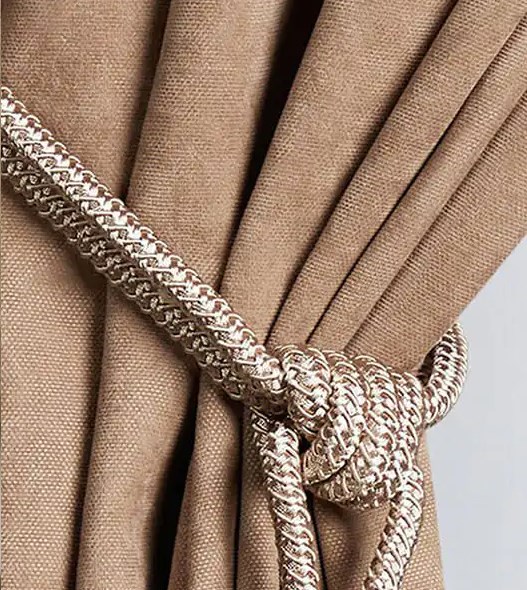
Sound insulation is another key focus for modern curtain fabrics. Heavy fabrics reduce external noise, creating a quiet indoor environment. The feel and texture of the fabric directly impact the user experience. Soft, smooth fabrics enhance the comfort of curtain handling while visually adding warmth to the space. This combination of functionality and comfort makes curtain fabrics an indispensable element in regulating the indoor environment.
Design Trends and Fabric Technology Innovation
With the continuous development of home design, curtain fabrics are showing a diversified trend in color, texture, and craftsmanship. Modern home design tends towards a natural and minimalist style, leading to a preference for neutral and soft colors in curtain fabrics to create a comfortable and tranquil atmosphere. Meanwhile, the design of textures and patterns is constantly innovating. Through techniques such as three-dimensional weaving, embossing, and digital printing, fabrics not only possess practical functions but also become artistic expressions of the space.
Innovation in functional processes is also continuously driving the development of curtain fabrics. UV protection treatments, anti-static coatings, and flame-retardant processes have raised the standards for safety and durability in curtains. These innovative technologies not only enhance the practical value of fabrics but also meet modern consumers' demands for health, environmental protection, and smart homes. With the skillful combination of designers, curtain fabrics have become a key element in spatial design that combines aesthetics and functionality.
Professional Advice on Purchasing and Maintenance
The selection and maintenance of curtain fabrics directly affect their lifespan and visual effect. Professional purchasing advice emphasizes a comprehensive consideration of material, thickness, and craftsmanship. When purchasing, pay attention to the fabric's flexibility, abrasion resistance, and ease of cleaning. Different curtain fabric materials have different requirements for washing and maintenance. Natural fiber fabrics generally require gentle washing and should avoid direct sunlight, while synthetic fiber fabrics have stronger durability and wrinkle resistance, but attention should still be paid to the fact that high-temperature treatment may cause the fabric to deform or fade.
Regular cleaning and proper maintenance can extend the lifespan of curtains. Vacuuming to remove surface dust, regular dry cleaning, or spot cleaning stains will keep the fabric clean and beautiful. At the same time, avoiding prolonged exposure to strong sunlight can prevent color fading and material aging. Correct selection and maintenance methods ensure that curtain fabrics achieve optimal results in terms of aesthetics, functionality, and durability.
The Future Development of Curtain Fabrics
The development of curtain fabrics is not only an evolution of materials and processes, but also a combination of home aesthetics and functional needs. For designers and consumers, choosing the right curtain fabric can not only enhance the quality of a space but also reflect personal aesthetics and lifestyle. In the future, with continuous technological innovation and changing market demands, curtain fabrics will usher in more possibilities in terms of aesthetics, functionality, and smart technology, bringing a brand-new experience to home life.