English
 中文简体
中文简体 русский
 عربى
عربىWith the increasing global focus on environmental protection and sustainable development, recycled fabric, as an environmentally friendly textile material, is gradually becoming a new favorite in the fashion industry. These materials not only help reduce resource waste but also effectively lower carbon emissions during the production process, contributing to the green revolution in the textile industry.
Recycled fabric is a brand-new textile material produced by recycling, processing, and regenerating waste textiles, plastic bottles, and other waste materials. These fabrics often use plastic bottles, old clothes, and industrial waste as raw materials. Recycled fabrics not only reduce raw material costs but also reduce environmental pollution and improve resource utilization efficiency. Unlike traditional textile raw materials, the production process of recycled fabrics pays more attention to environmental impact, and its environmental friendliness and sustainability make it an indispensable force in the current textile industry.
Production Process of Recycled Fabric
The production process of recycled fabric usually consists of several key steps: collection, cleaning, sorting, spinning, and dyeing. Recycled waste materials (such as old clothes, plastic bottles, industrial waste, etc.) need to undergo strict cleaning and sorting to remove impurities. Subsequently, these cleaned waste materials are cut into small pieces, melted or reprocessed, and converted into textile fibers. Finally, these fibers are transformed into the final fabric product through spinning and dyeing processes.
The core of this production process lies in the word "regeneration," which means converting waste into reusable resources through advanced technological means, rather than consuming a large amount of natural resources through traditional resource extraction methods. With the advancement of technology, the production technology of recycled fabrics is becoming more mature, and their quality and performance are gradually approaching or even surpassing natural fabrics.
Advantages of Recycled Fabric
Environmental Friendliness
The biggest advantage of recycled fabric is its environmental friendliness. Traditional textile production requires a large amount of natural resources, including water, energy, and chemical raw materials. Recycled fabric production, on the other hand, uses waste materials as raw materials, reducing resource waste and environmental pollution. By recycling and utilizing materials such as old clothes and plastic bottles, it not only effectively reduces waste emissions but also avoids further exploitation of natural resources, helping to alleviate environmental pressure.
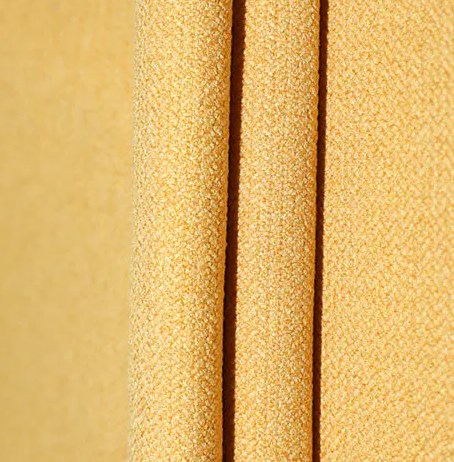
Reducing Carbon Footprint
Compared to traditional fabrics, the production process of recycled fabrics typically consumes less energy, thus reducing carbon emissions. During the recycling process, waste materials are reprocessed into fibers instead of producing new fibers through energy-intensive traditional manufacturing processes. This low-carbon production model makes recycled fabrics an important means of achieving a low-carbon economy and green development goals.
Improving Resource Utilization Efficiency
The production of recycled fabrics not only saves a large amount of raw materials but also effectively extends the life cycle of waste materials. In the context of global resource scarcity, improving resource utilization efficiency is particularly important. Through recycled fabrics, waste materials are effectively reused, avoiding large-scale resource waste.
Improving Fabric Performance
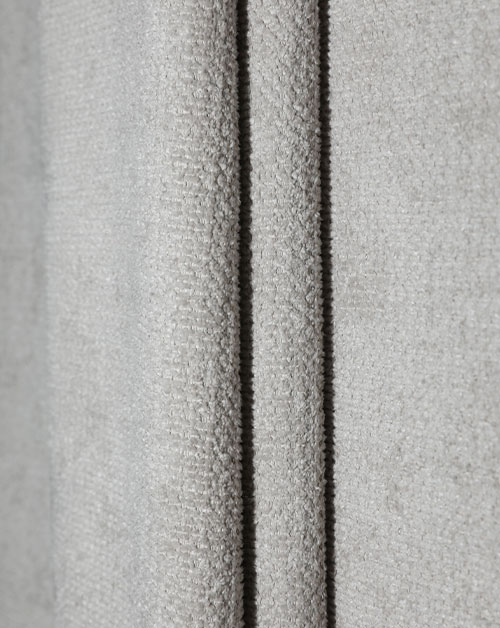
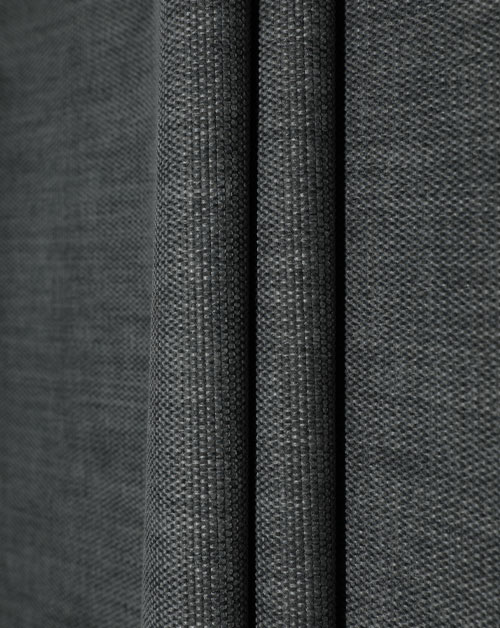
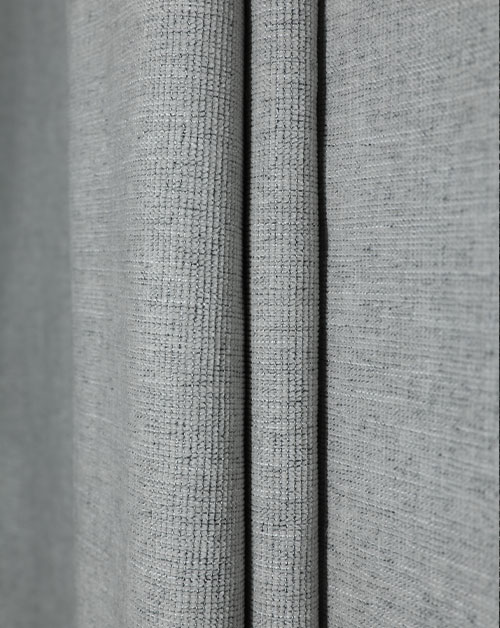
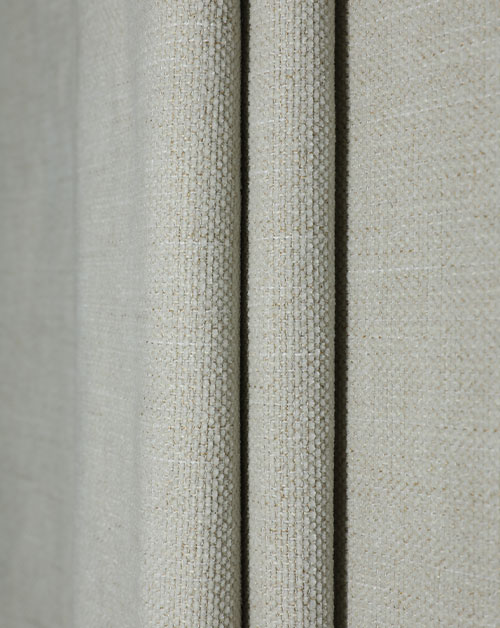
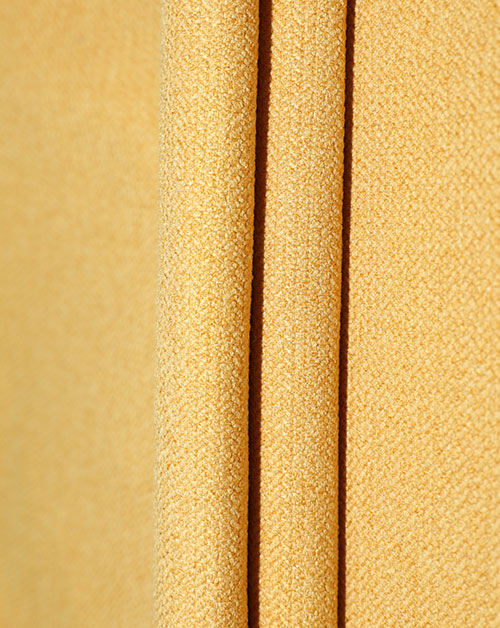
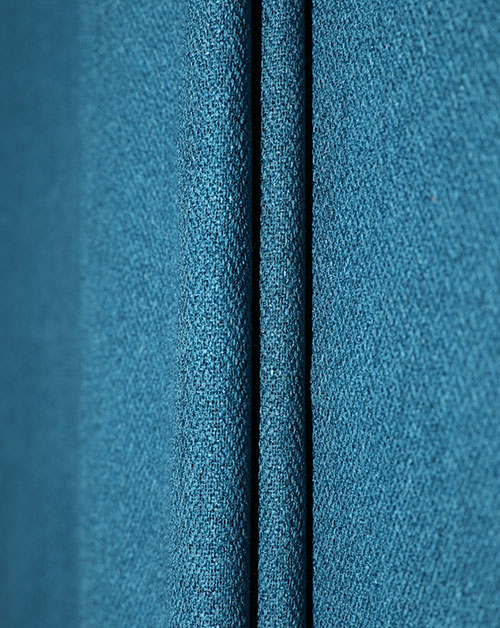
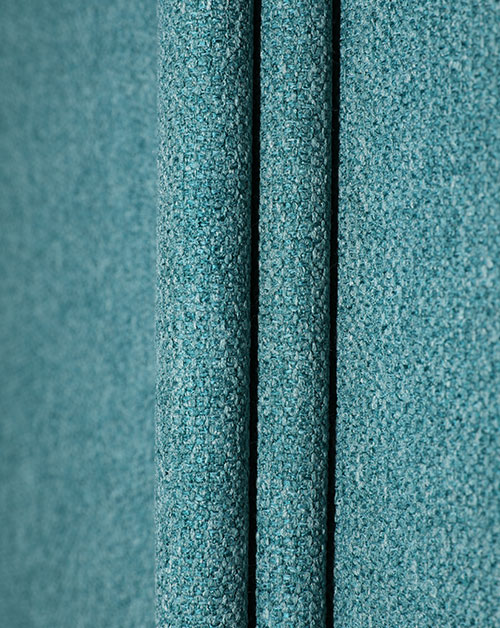
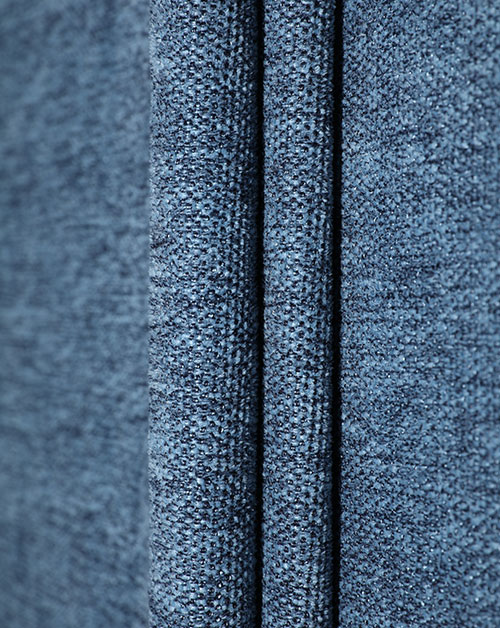
With continuous improvements in production processes and technologies, the performance of recycled fabrics has gradually improved, and some high-quality recycled fabrics can even rival natural fabrics. These fabrics not only possess excellent comfort and durability but also achieve similar or better visual effects and tactile sensations compared to traditional fabrics. This has led to the widespread application of recycled fabrics in fashion and functional products.
Application Areas of Recycled Fabrics
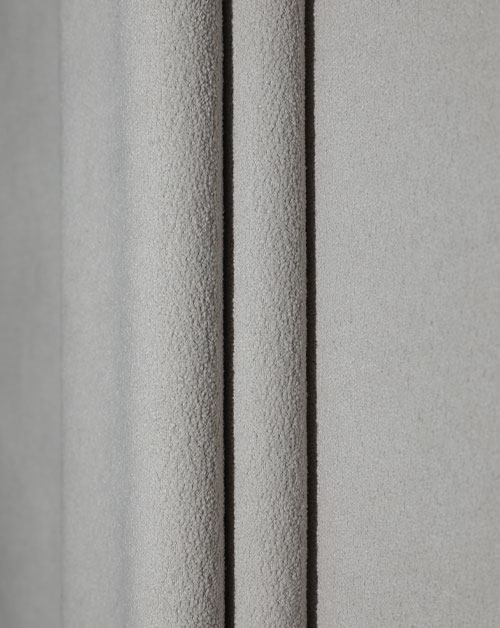
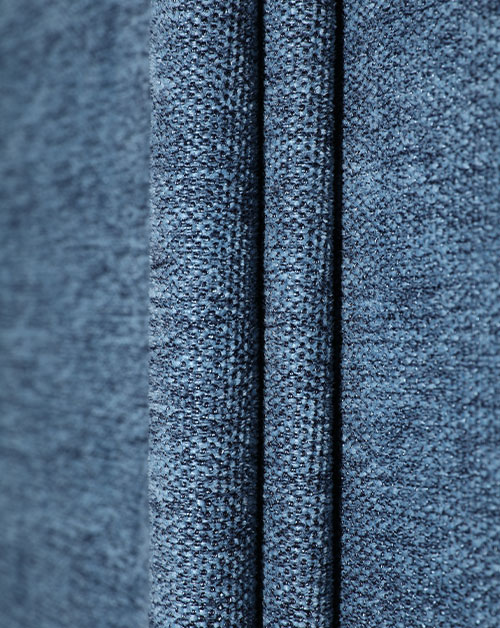
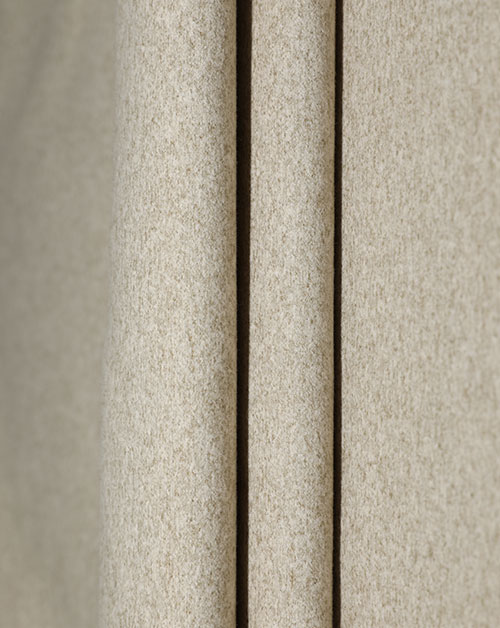
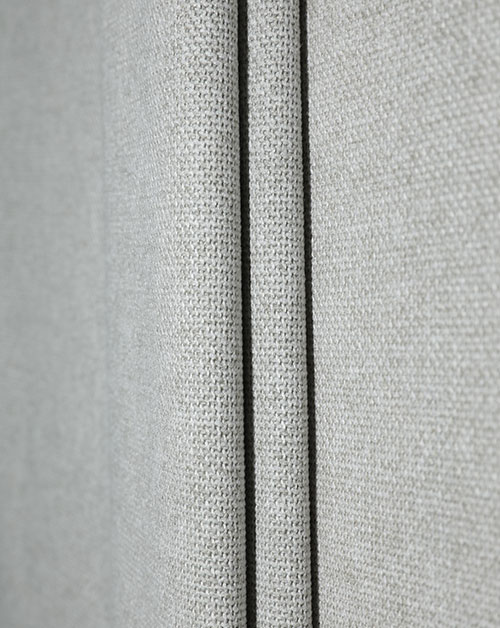
Recycled fabrics have a very wide range of applications, covering multiple fields such as clothing, home furnishings, and industry. In the clothing industry, recycled fabrics are often used to produce clothing for environmentally friendly fashion brands that focus on sustainability and environmental protection, attracting a large number of consumers who care about green and environmentally friendly products. In the home furnishings sector, recycled fabrics can be used to produce bedding, curtains, sofa fabrics, etc., which not only conform to environmental protection concepts but also provide a comfortable living experience.
Recycled fabrics are also widely used in sports equipment, outdoor products, and car seats. With continuous technological innovation, the scope of application of recycled fabrics will become wider and wider, becoming an important part of the future textile industry.
Market Prospects of Recycled Fabrics
With the increasing global focus on sustainable development, the market demand for recycled fabrics is also continuously growing. Consumers' awareness and demand for environmentally friendly and green products are gradually increasing, prompting more brands and manufacturers to use recycled fabrics as one of the main raw materials for their products. At the same time, government support policies for the environmental protection industry also provide strong support for the popularization of recycled fabrics.
As an innovative material for sustainable development, recycled fabrics have enormous market potential in the future. With advancements in production technology and increased consumer environmental awareness, recycled and regenerated fabrics will become one of the mainstream materials in the textile industry in the future.
Frequently Asked Questions (FAQ)
1. What are the differences between recycled and regenerated fabrics and traditional fabrics?
Recycled and regenerated fabrics are primarily produced by reprocessing waste materials (such as discarded clothing and plastic bottles) into new textile materials. Traditional fabrics, on the other hand, are mostly produced from natural resources (such as cotton and wool) or synthetic materials (such as polyester and nylon). The production process of recycled and regenerated fabrics is more environmentally friendly, effectively reducing resource waste and environmental pollution.
2. What is the quality of recycled and regenerated fabrics?
With continuous advancements in production technology, the quality of recycled and regenerated fabrics has improved significantly. Many recycled and regenerated fabrics can achieve or even surpass the durability, comfort, and appearance of traditional fabrics. Therefore, more and more brands and consumers are choosing recycled and regenerated fabrics as their preferred option.
3. Is the production process of recycled and regenerated fabrics complex?
The production process of recycled and regenerated fabrics is relatively complex, but with continuous technological development, the entire production process has become more efficient. Waste materials undergo multiple stages, including cleaning, sorting, processing, spinning, and dyeing, to ultimately become high-quality fabrics that meet market demands. Although the current production costs are relatively high, with increasing market demand and technological advancements, production costs are expected to decrease further.
4. What are the environmental benefits of recycled and regenerated fabrics?
The environmental benefits of recycled and regenerated fabrics are very significant. By recycling waste materials, resource waste and over-exploitation of natural resources are avoided. At the same time, the production process of recycled and regenerated fabrics consumes less energy and resources than traditional production methods, effectively reducing carbon emissions. Therefore, recycled and regenerated fabrics are considered a sustainable and environmentally friendly material.
5. In which products can we find recycled and regenerated fabrics?
Recycled and regenerated fabrics are already widely used in various fields, including clothing, home furnishings, sports equipment, and outdoor products. Many environmentally conscious brands are using recycled and regenerated fabrics to produce their products, meeting the market demand for sustainability and environmental friendliness.